Portable structured light measurement module/apparatus with pattern shifting device incorporating a fixed-pattern optic for illuminating a subject-under-test
Summary
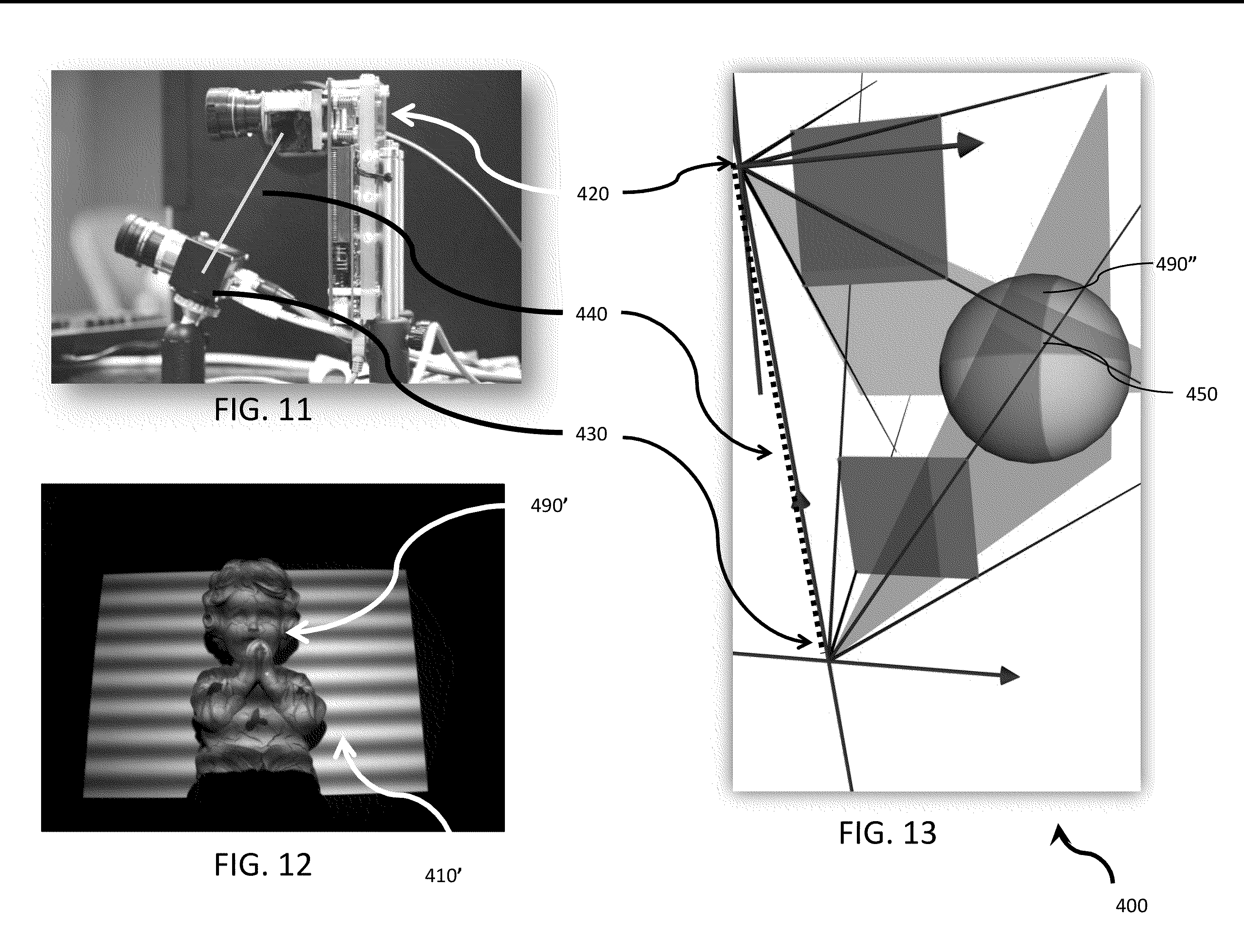
A normal structured-light scanner needs daylight between the projector and the camera — typically a triangulation angle of fifteen degrees or more — so that a depth difference on the surface produces a measurable image shift. That physical separation turns the scanner into a desk-sized instrument. There is no way to fit it inside a mouth, inside a pipe, or inside a tight piece of machinery.
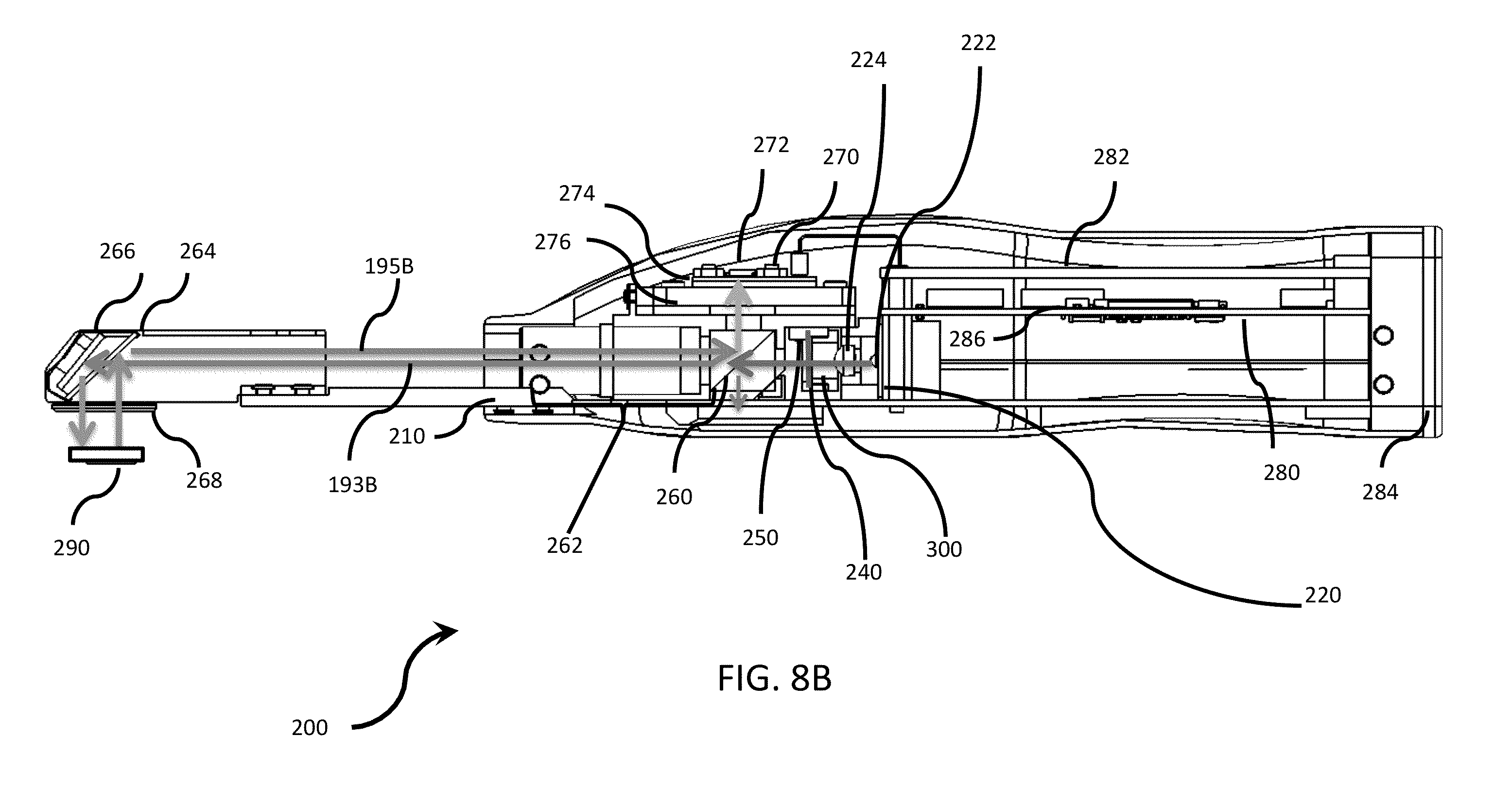
Shrinking the scanner without losing the triangulation angle is what blocks handheld use. Folding the optical path is hard because projected light and reflected light begin to mix along the same axis, and the scanner can no longer tell its own projection from scene reflection.
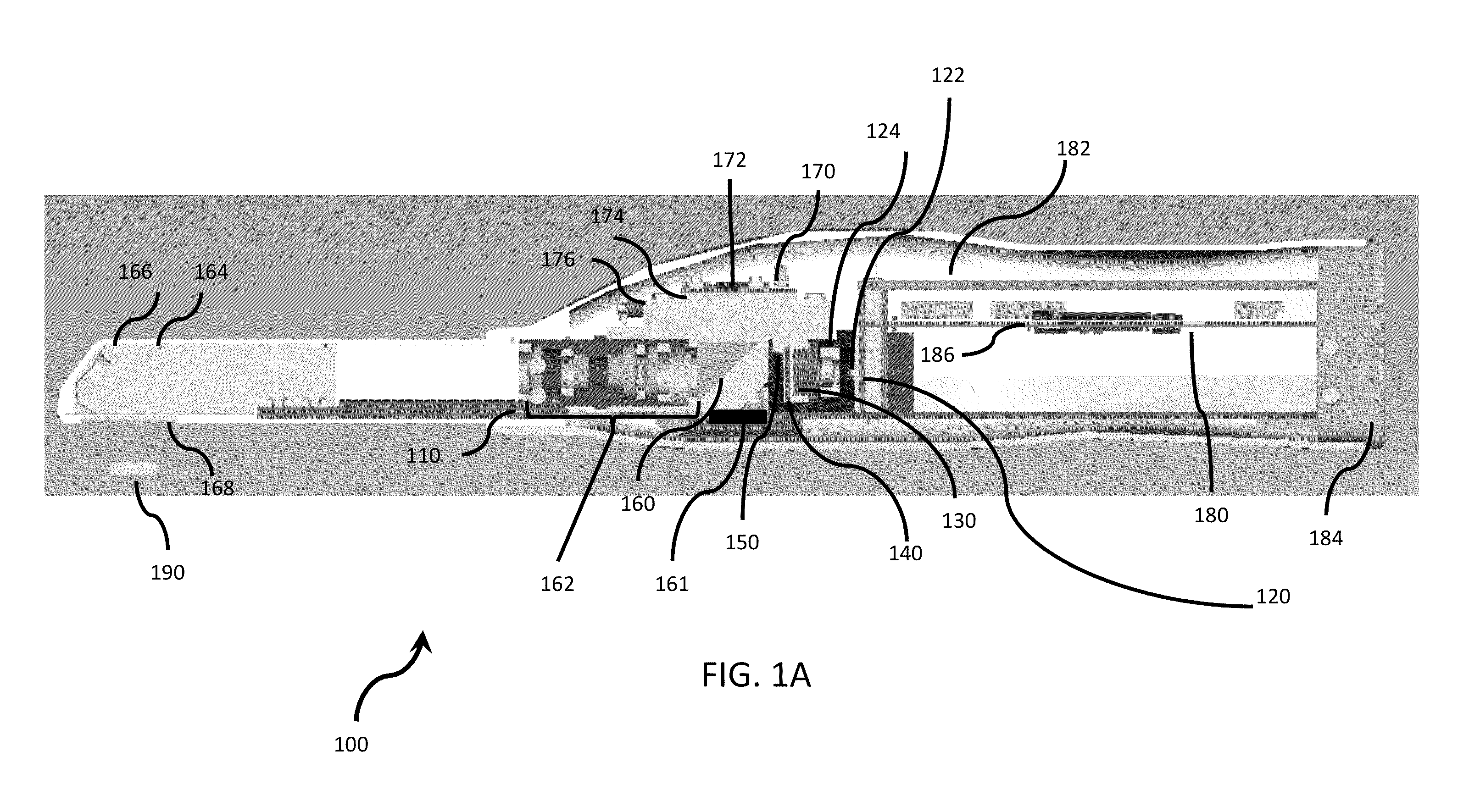
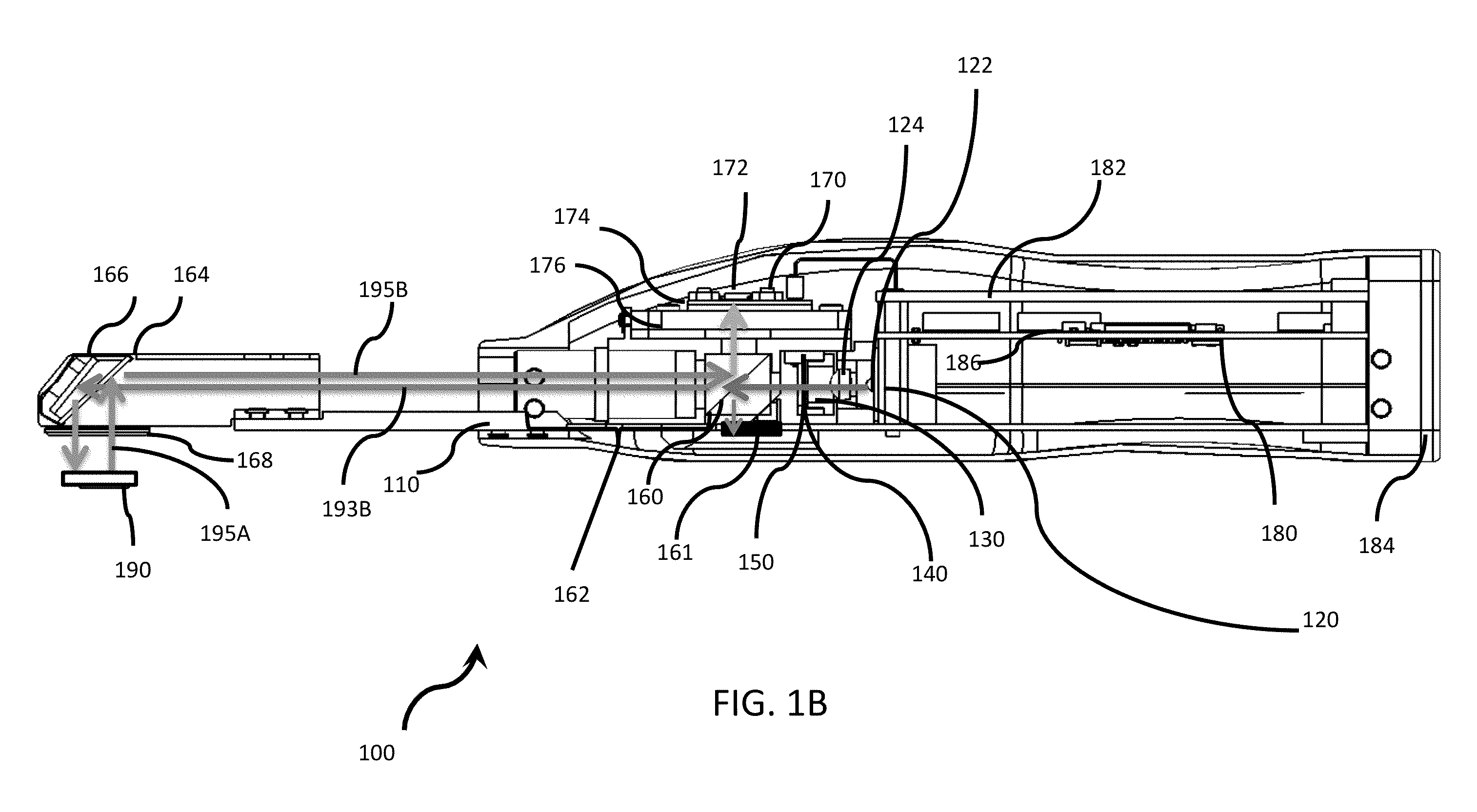
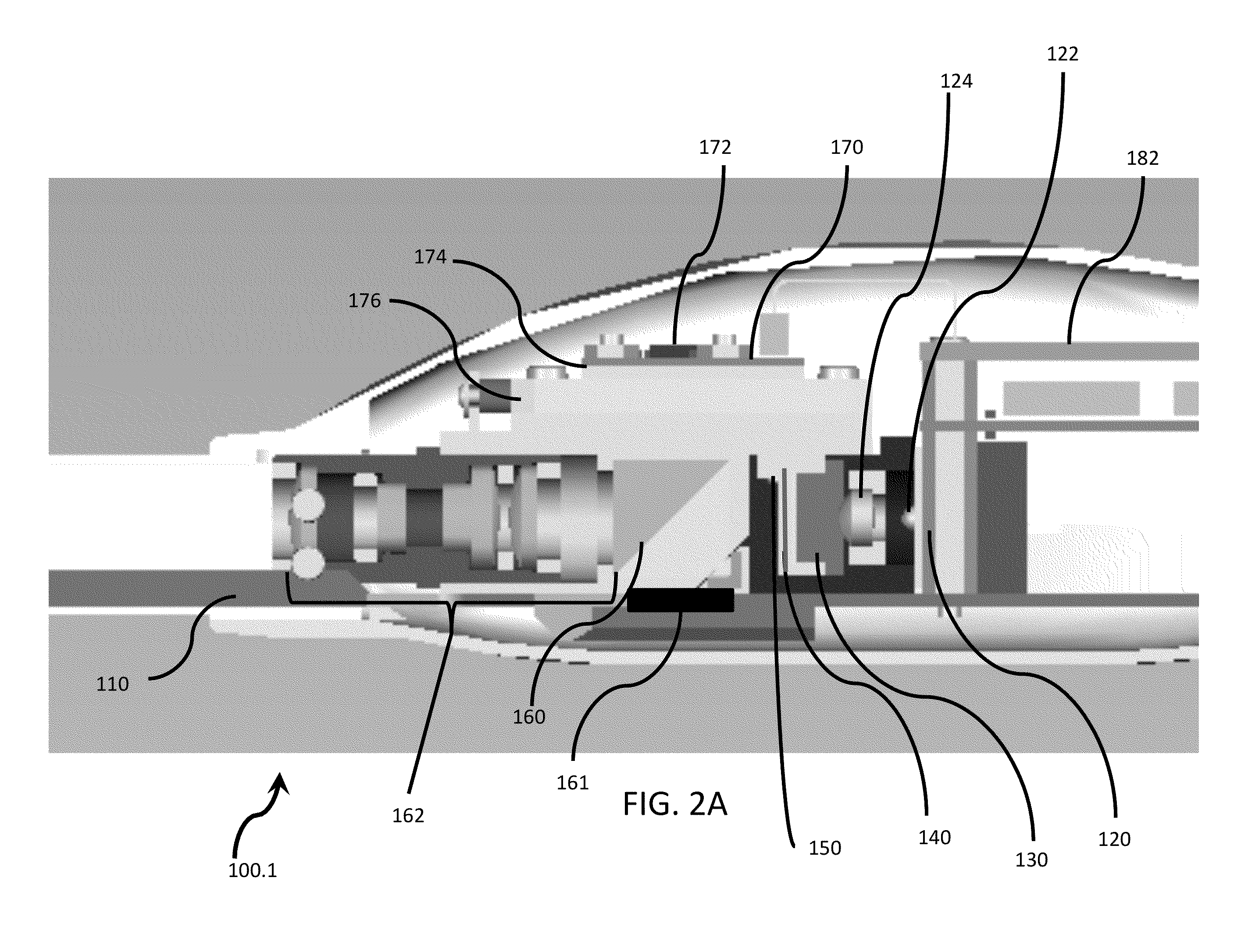
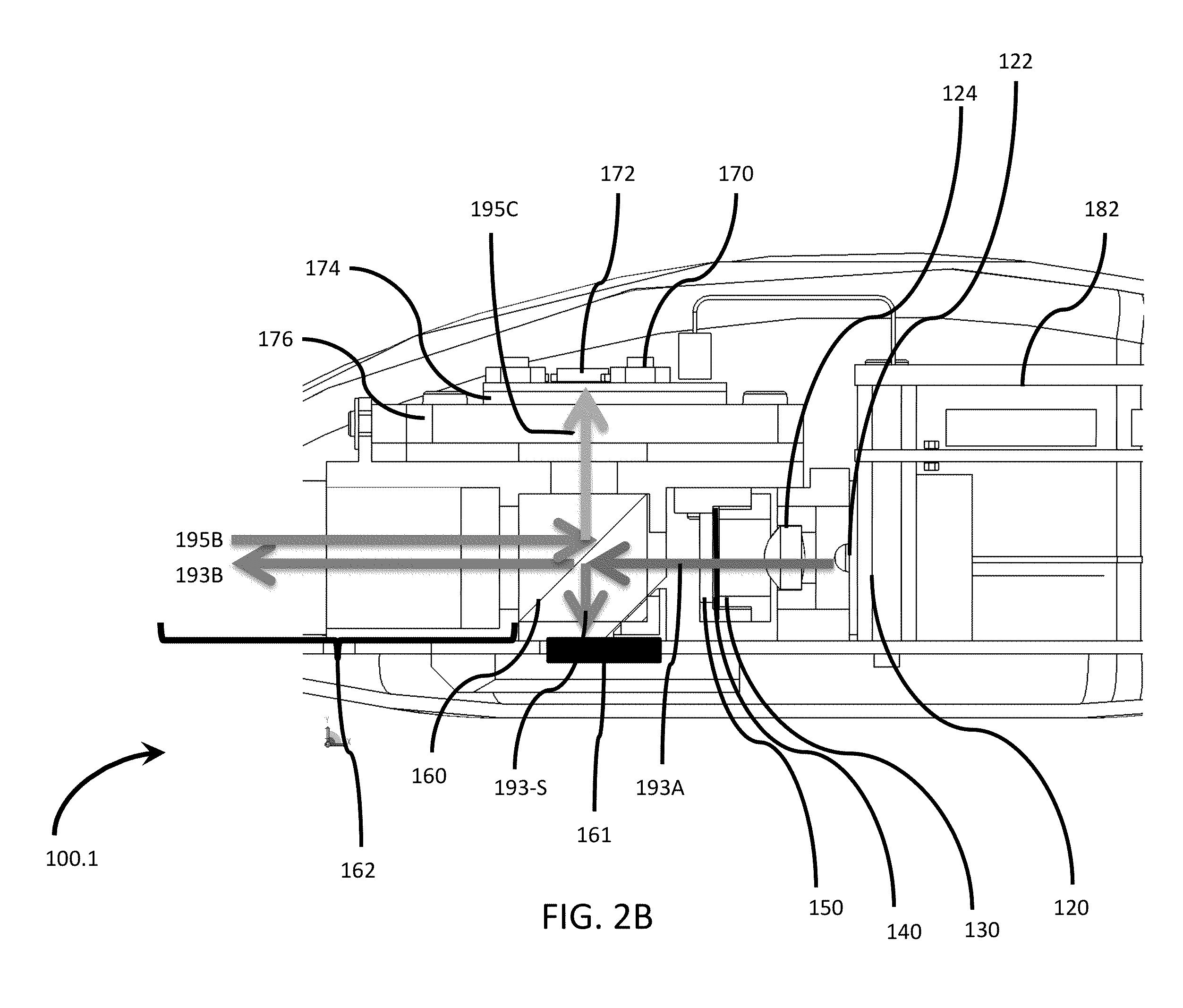
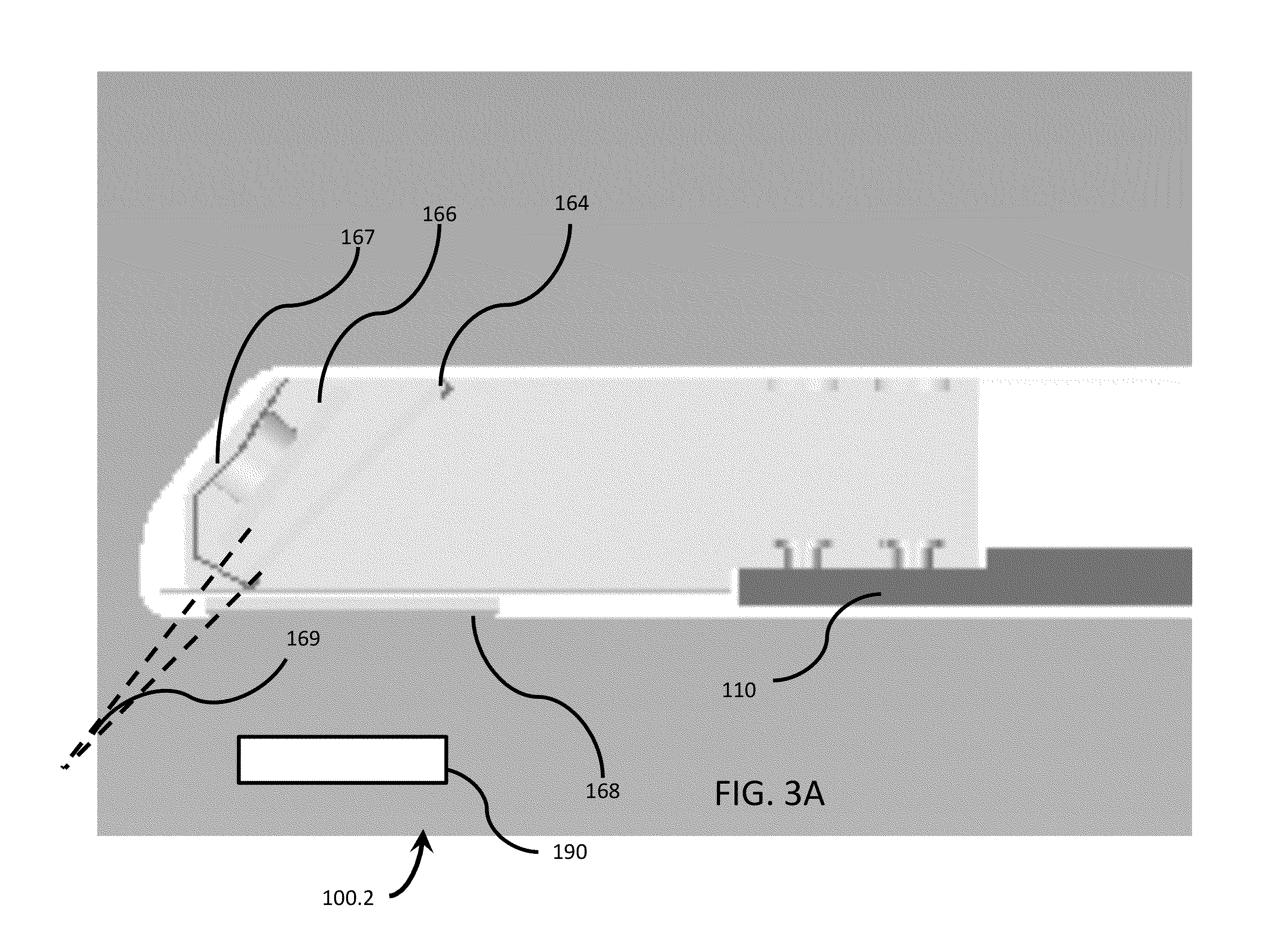
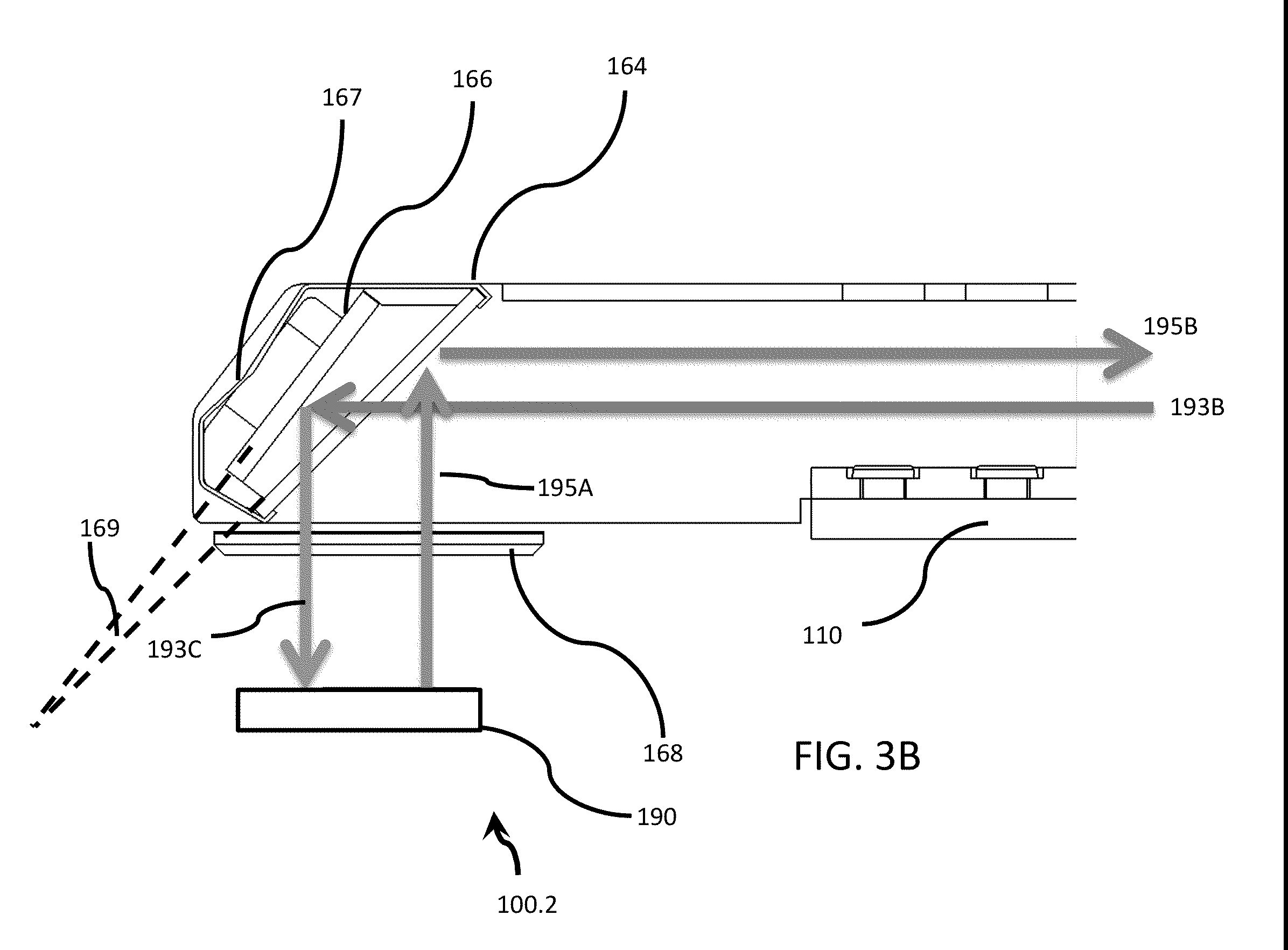
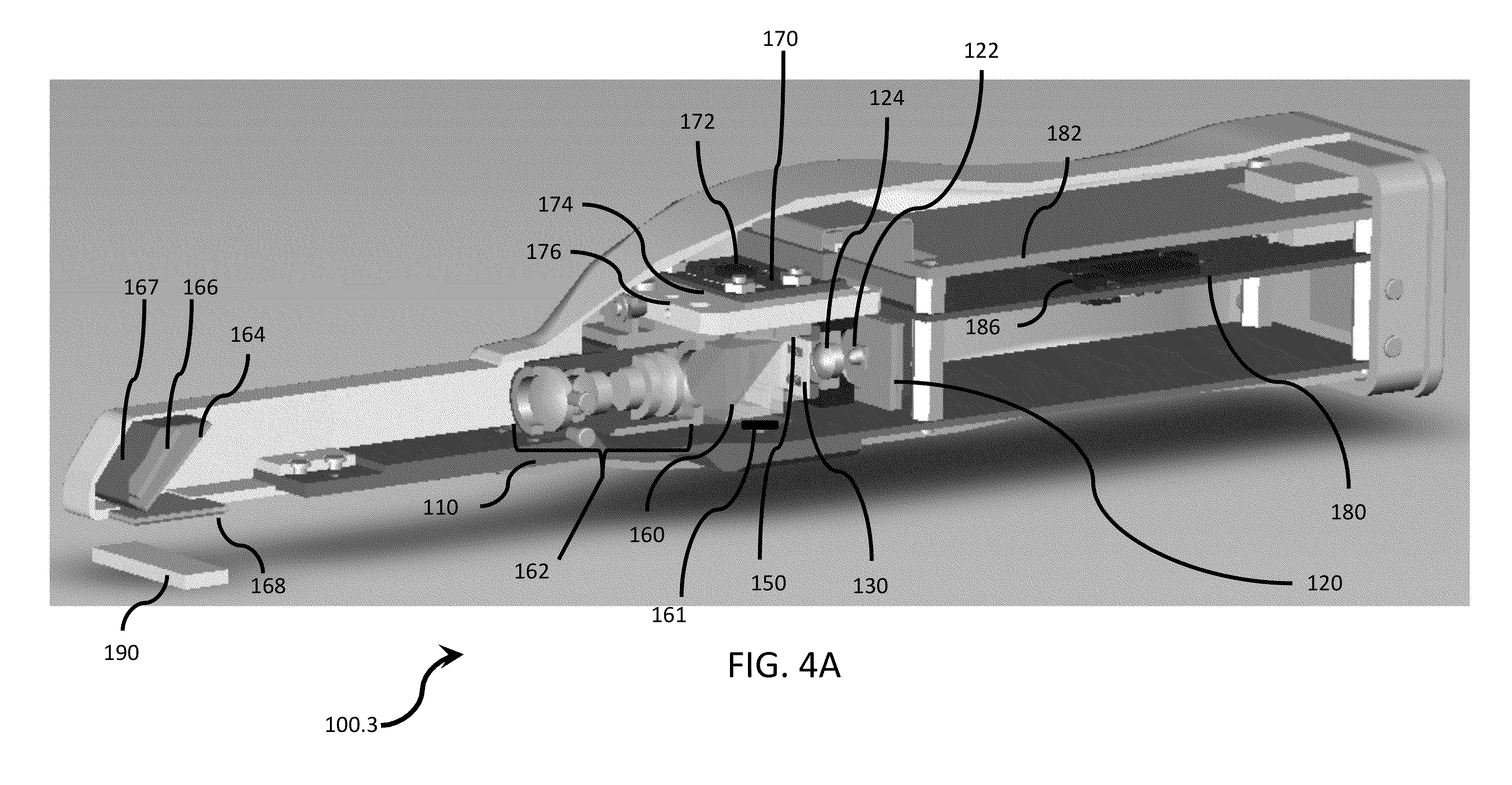
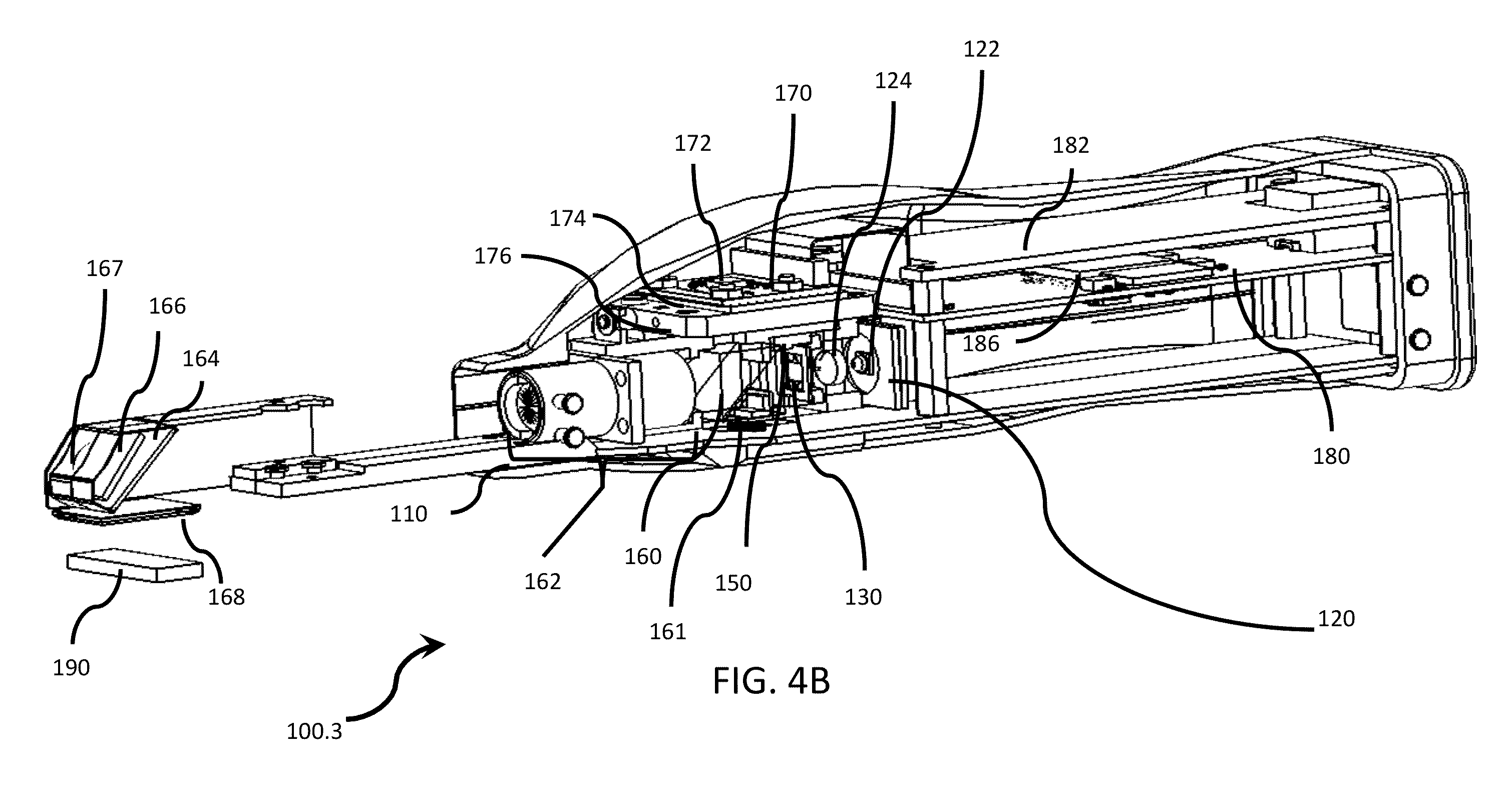
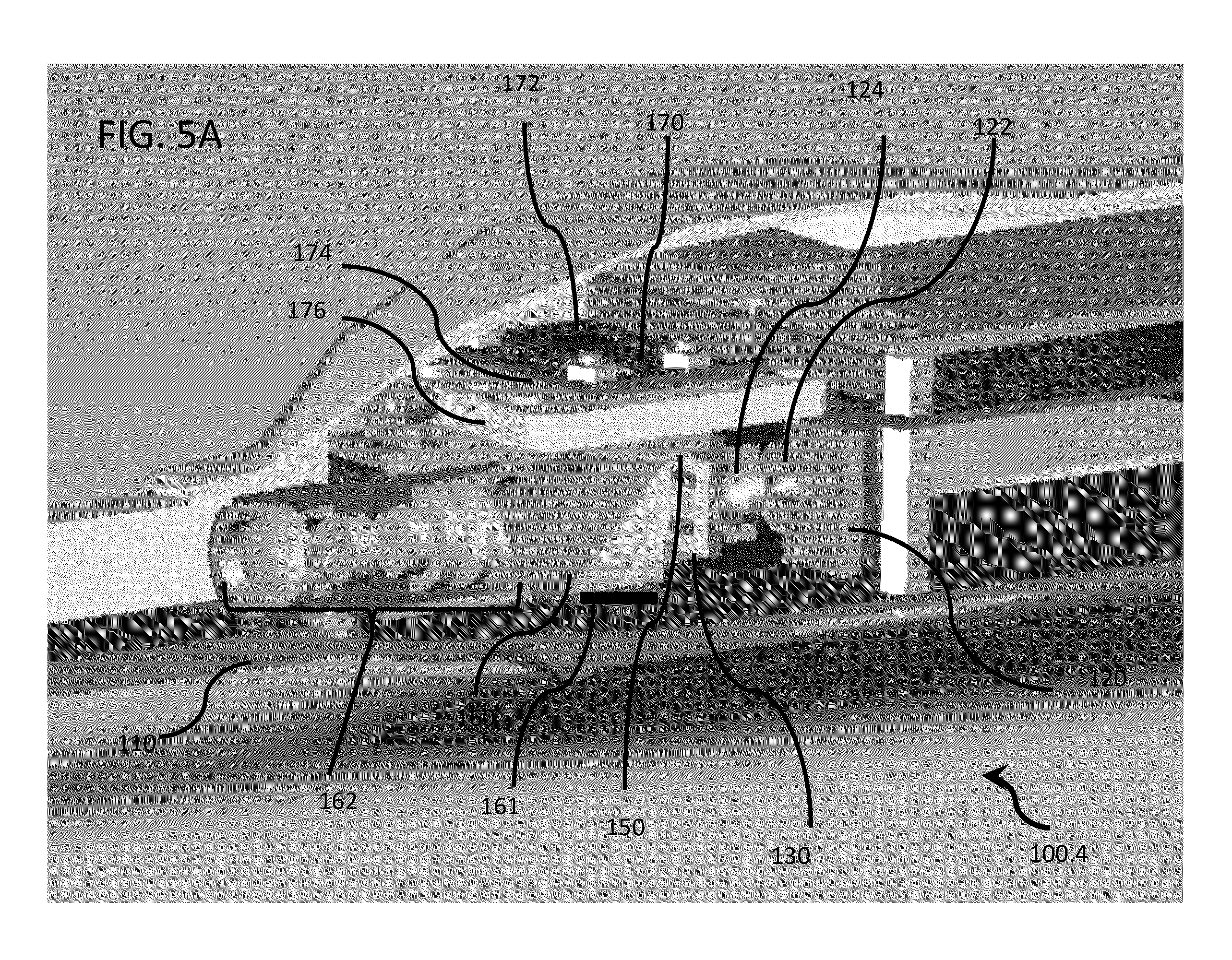
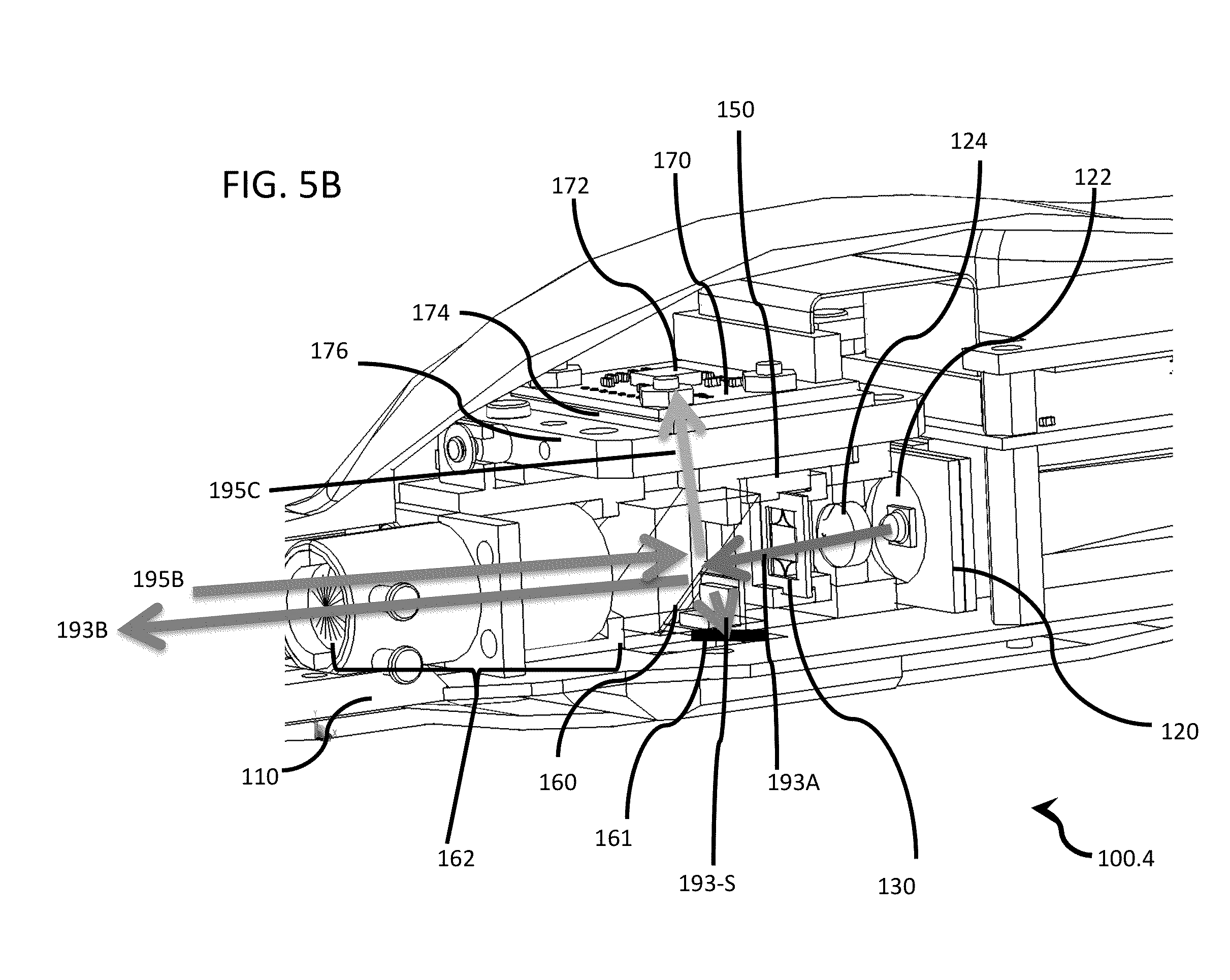
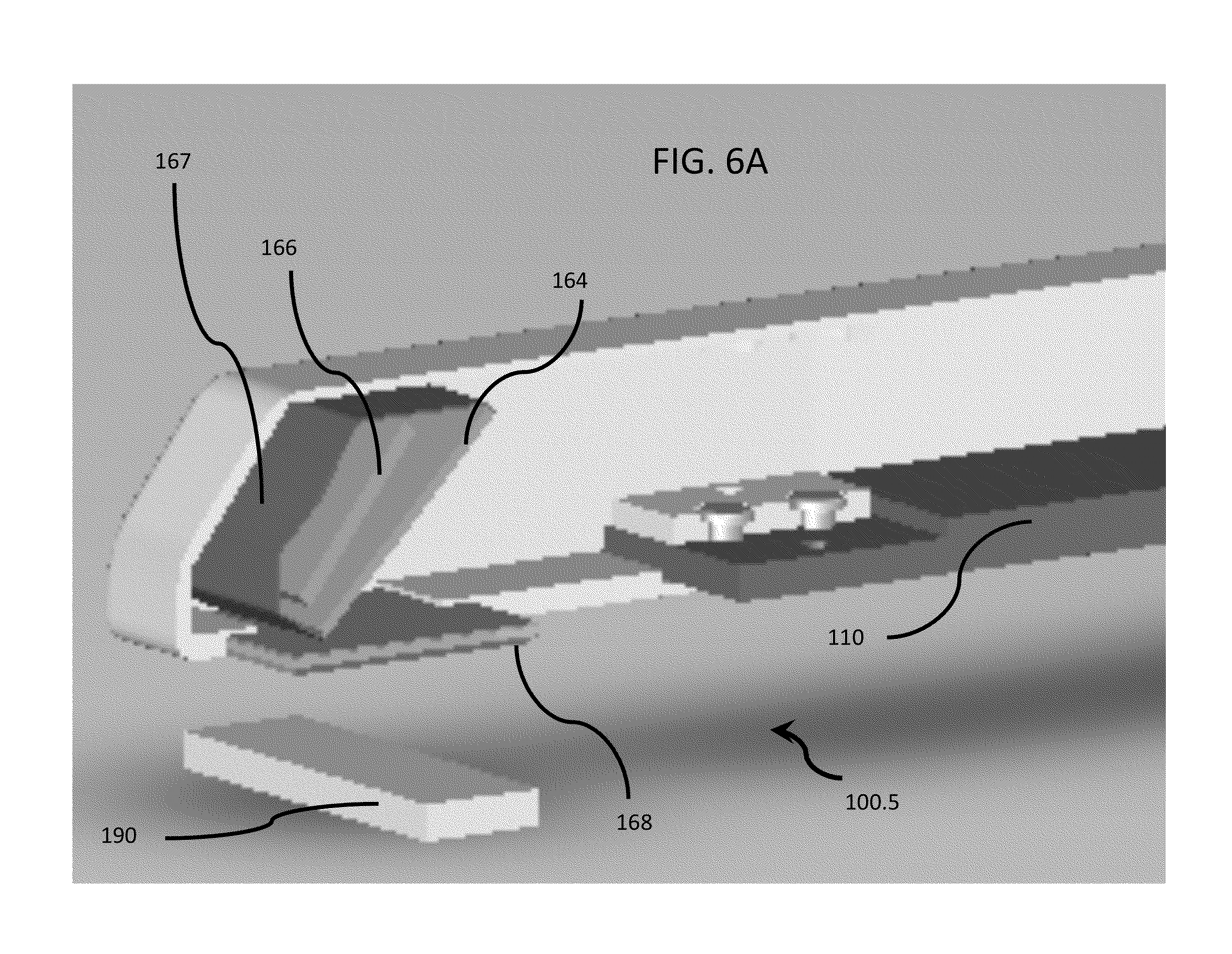
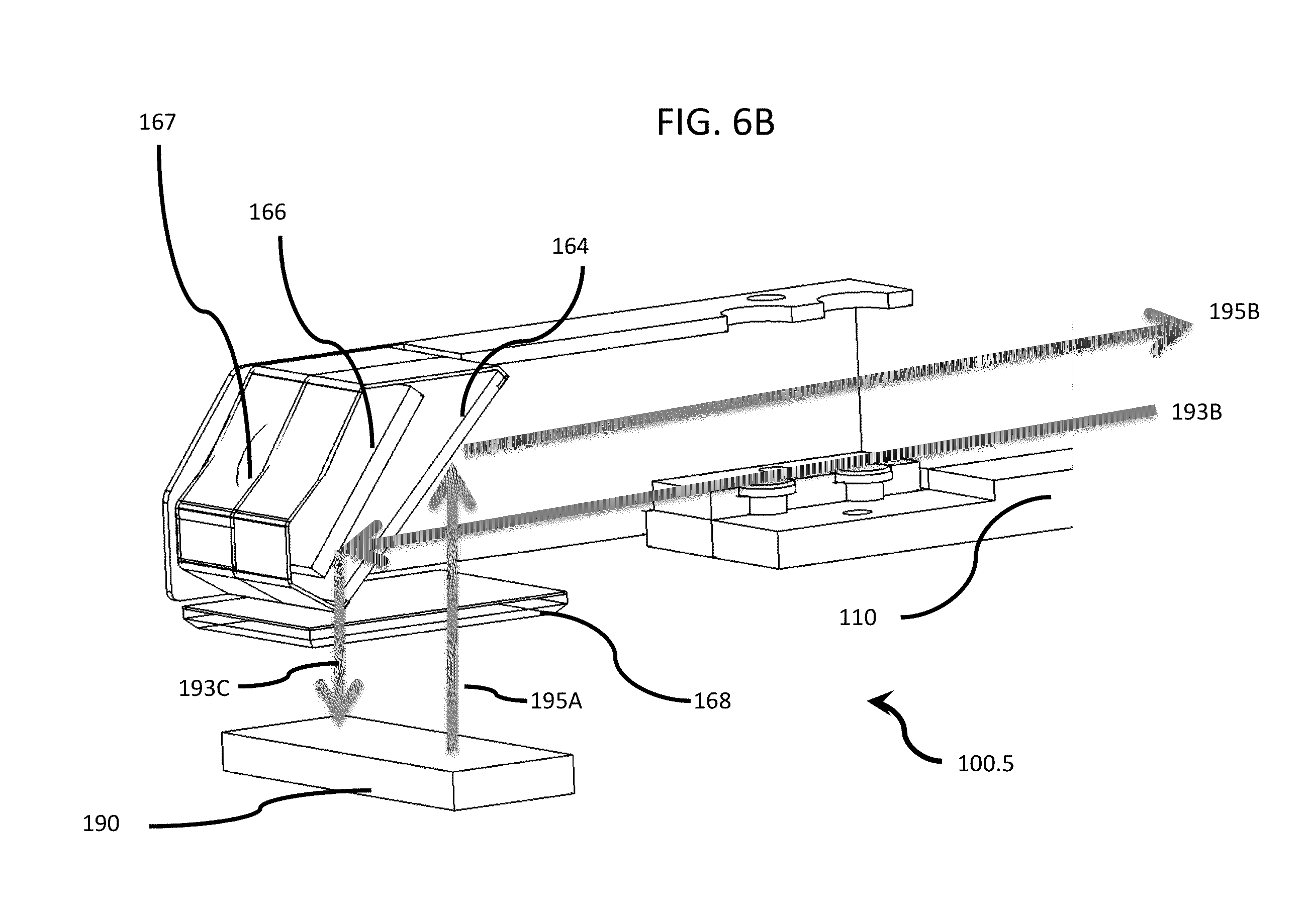
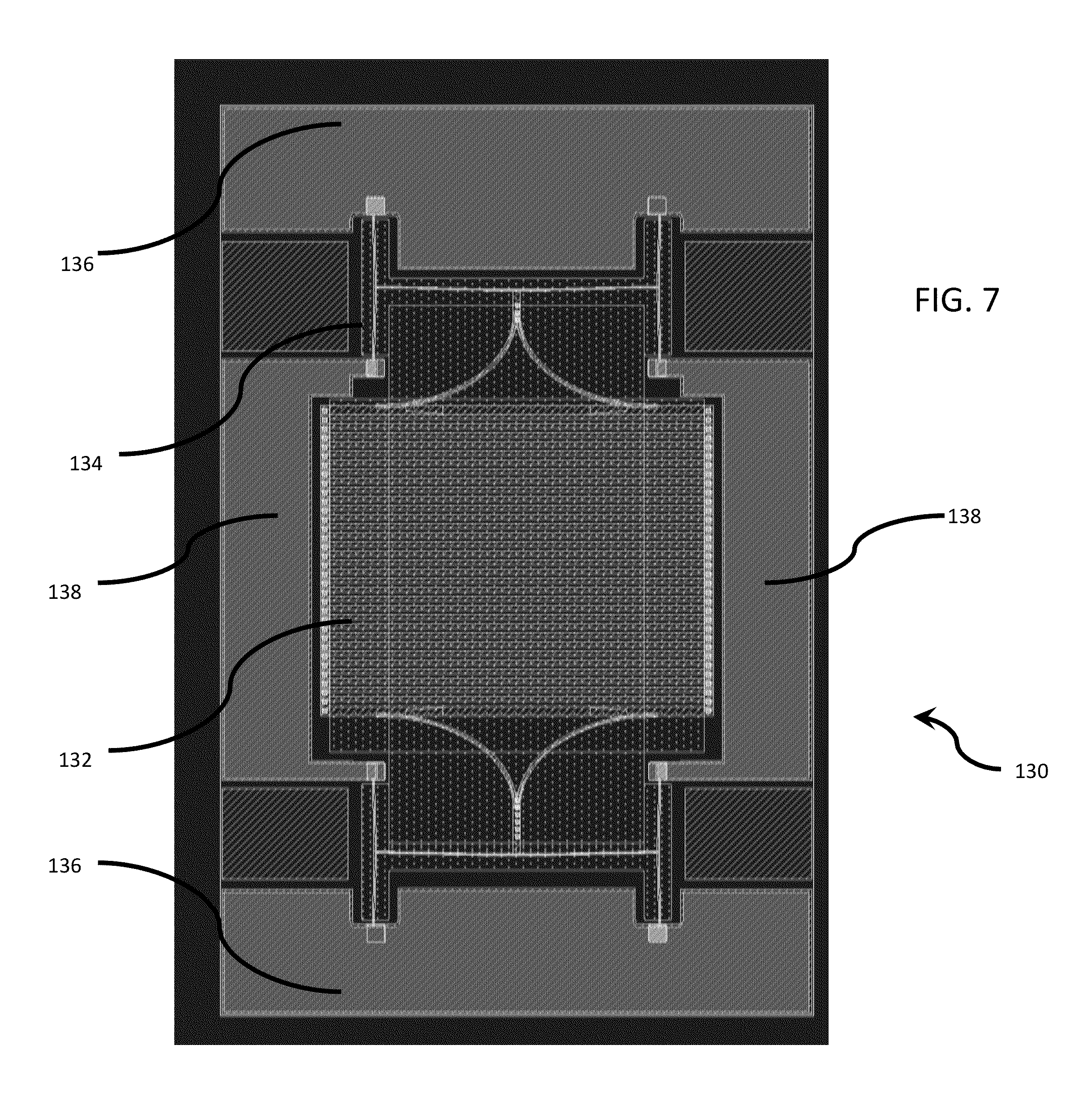
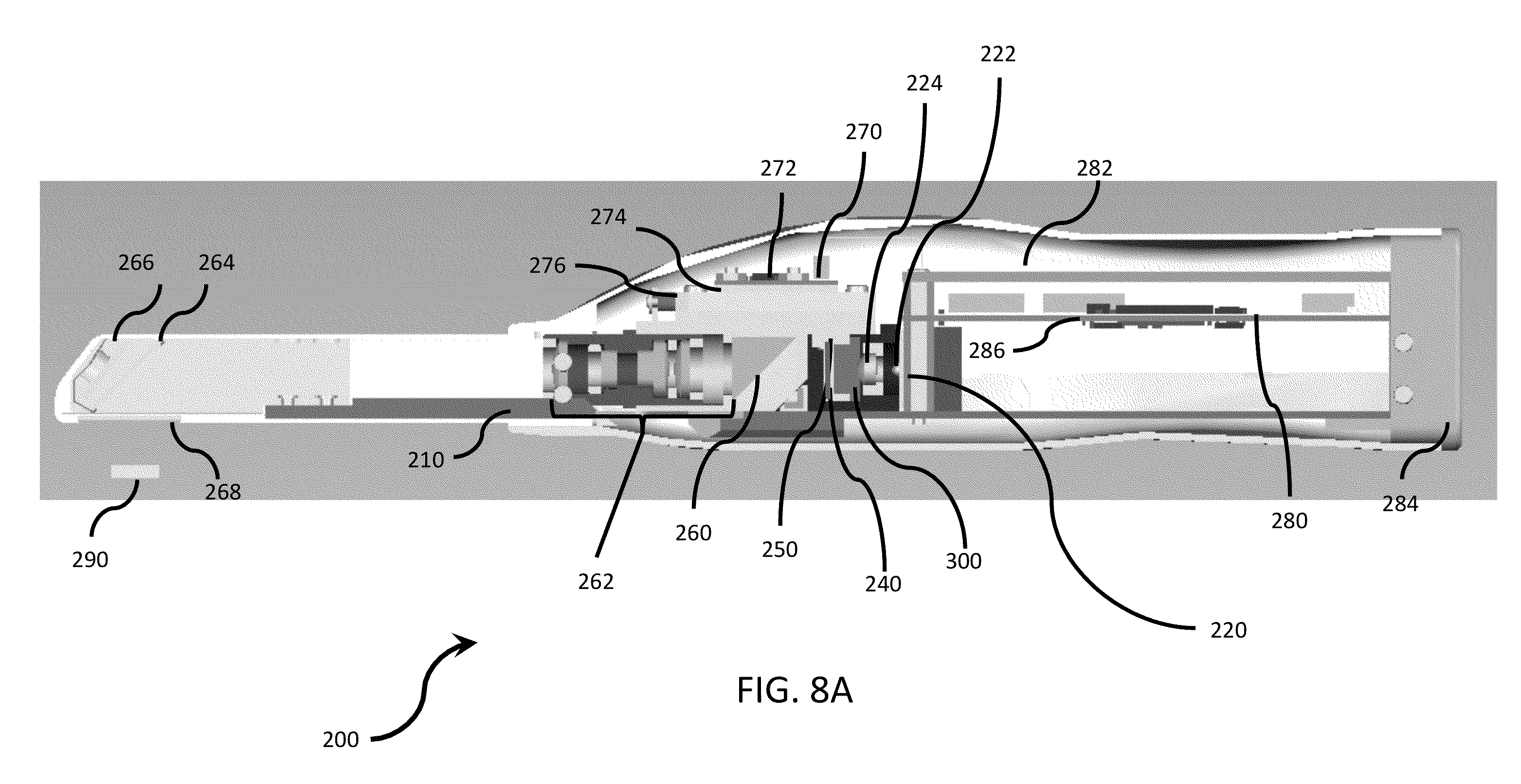
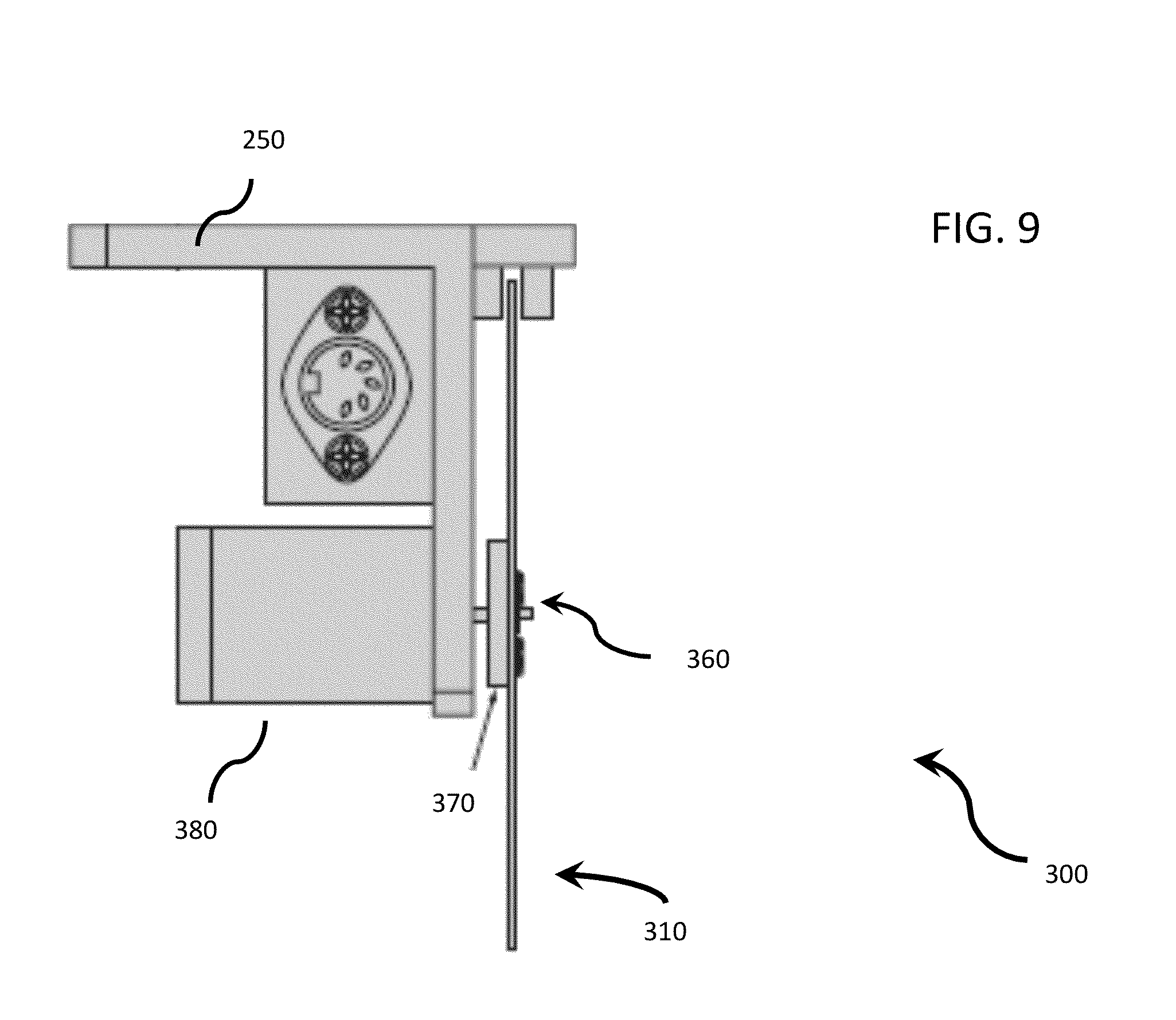
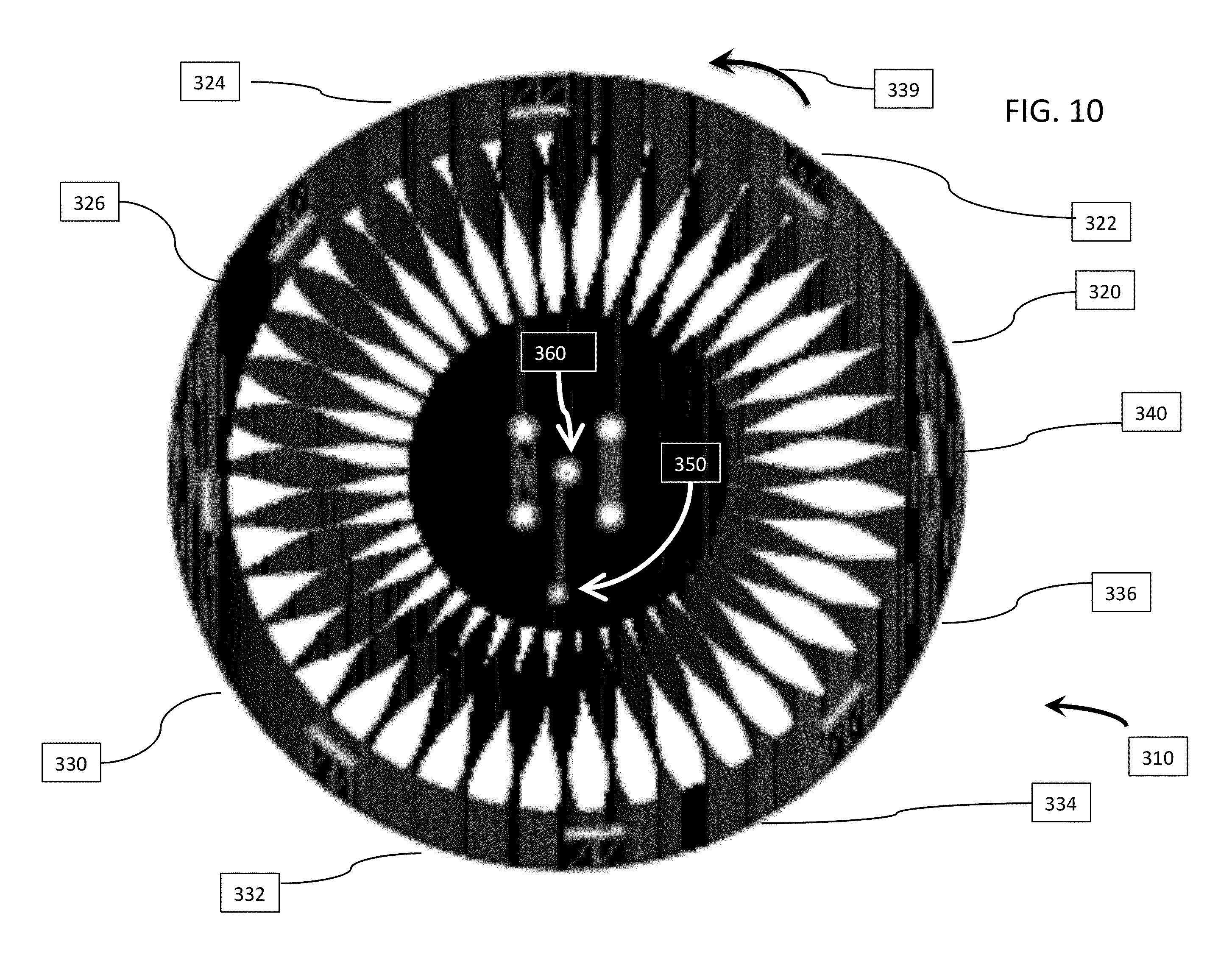
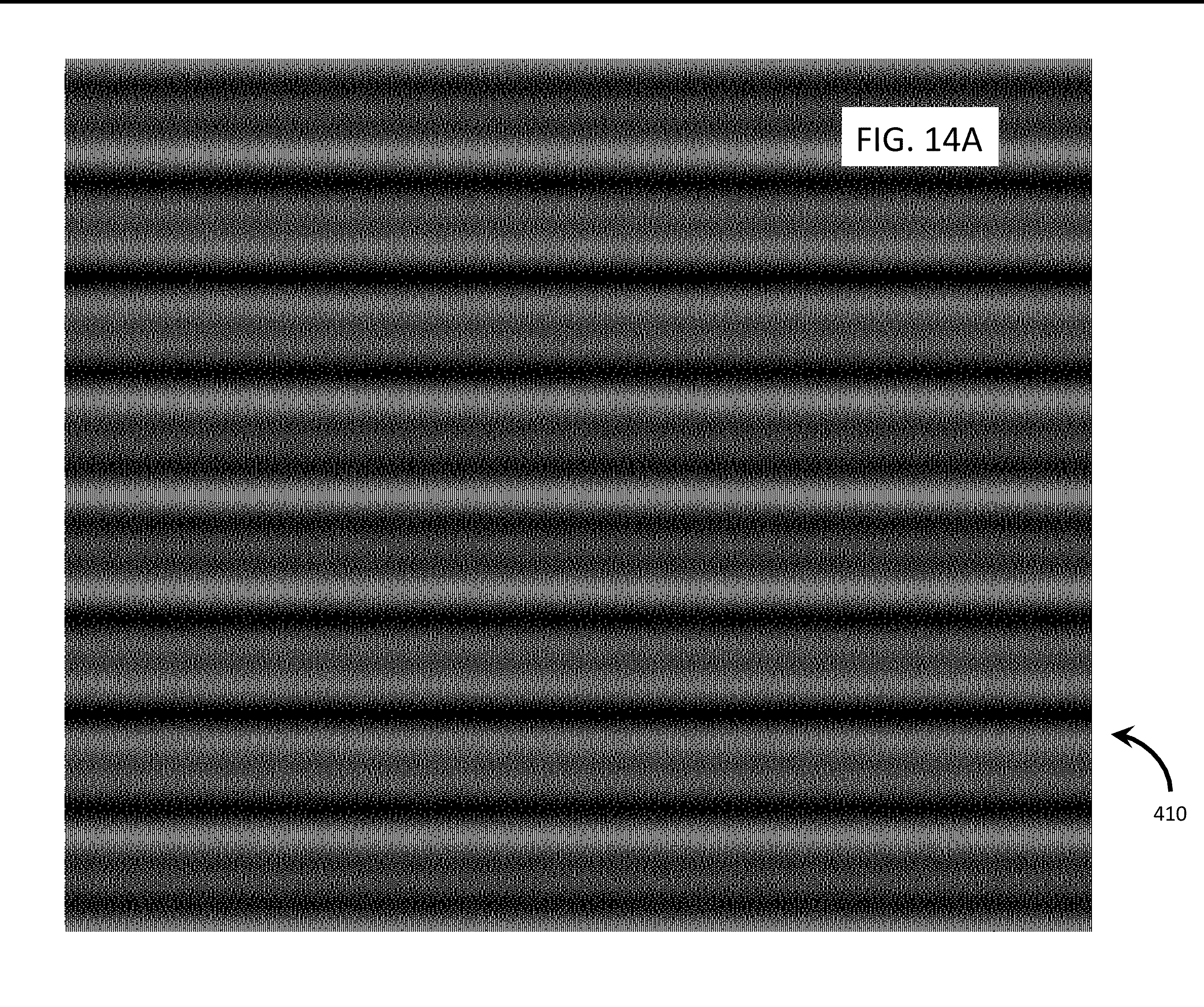
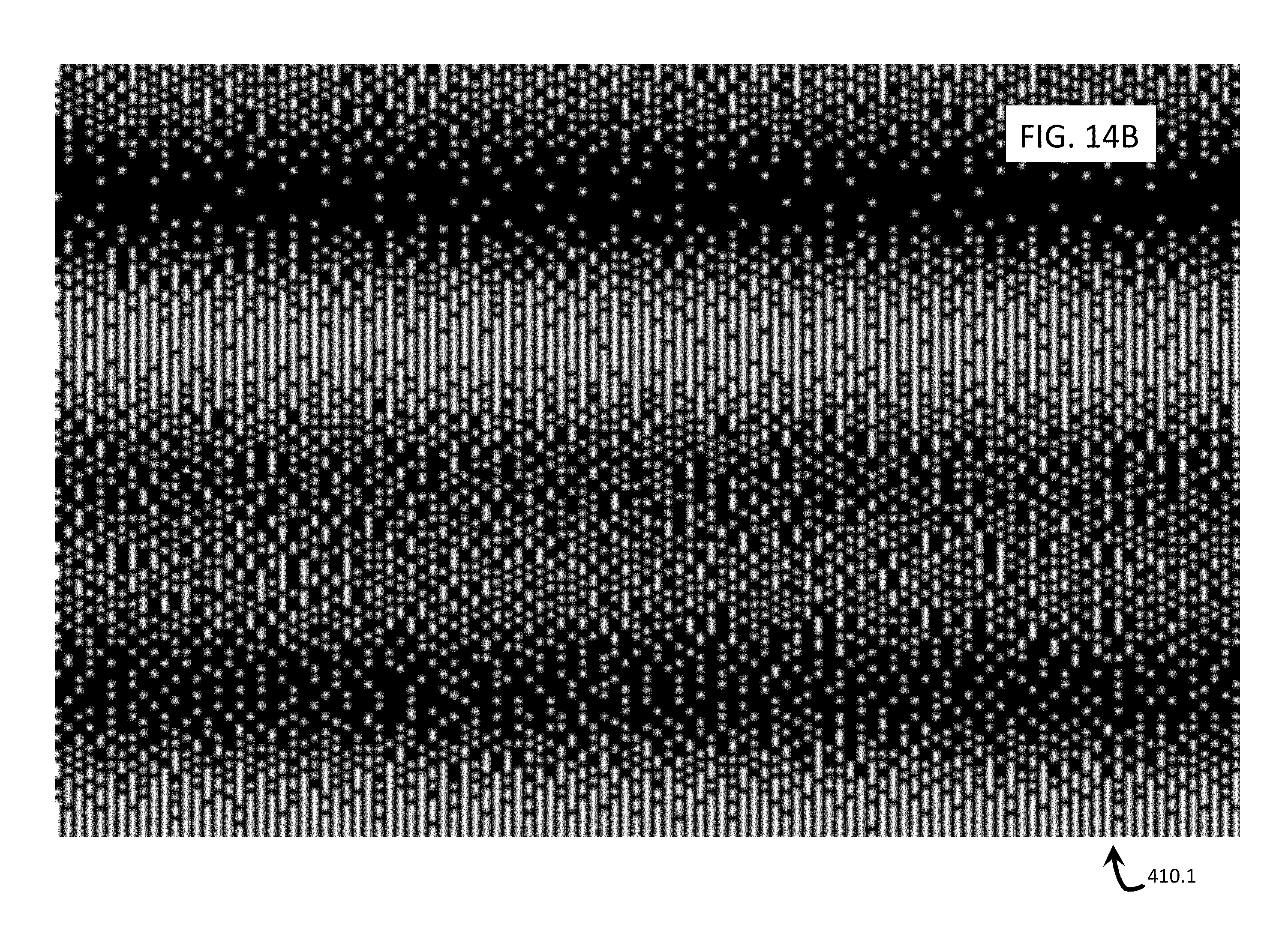
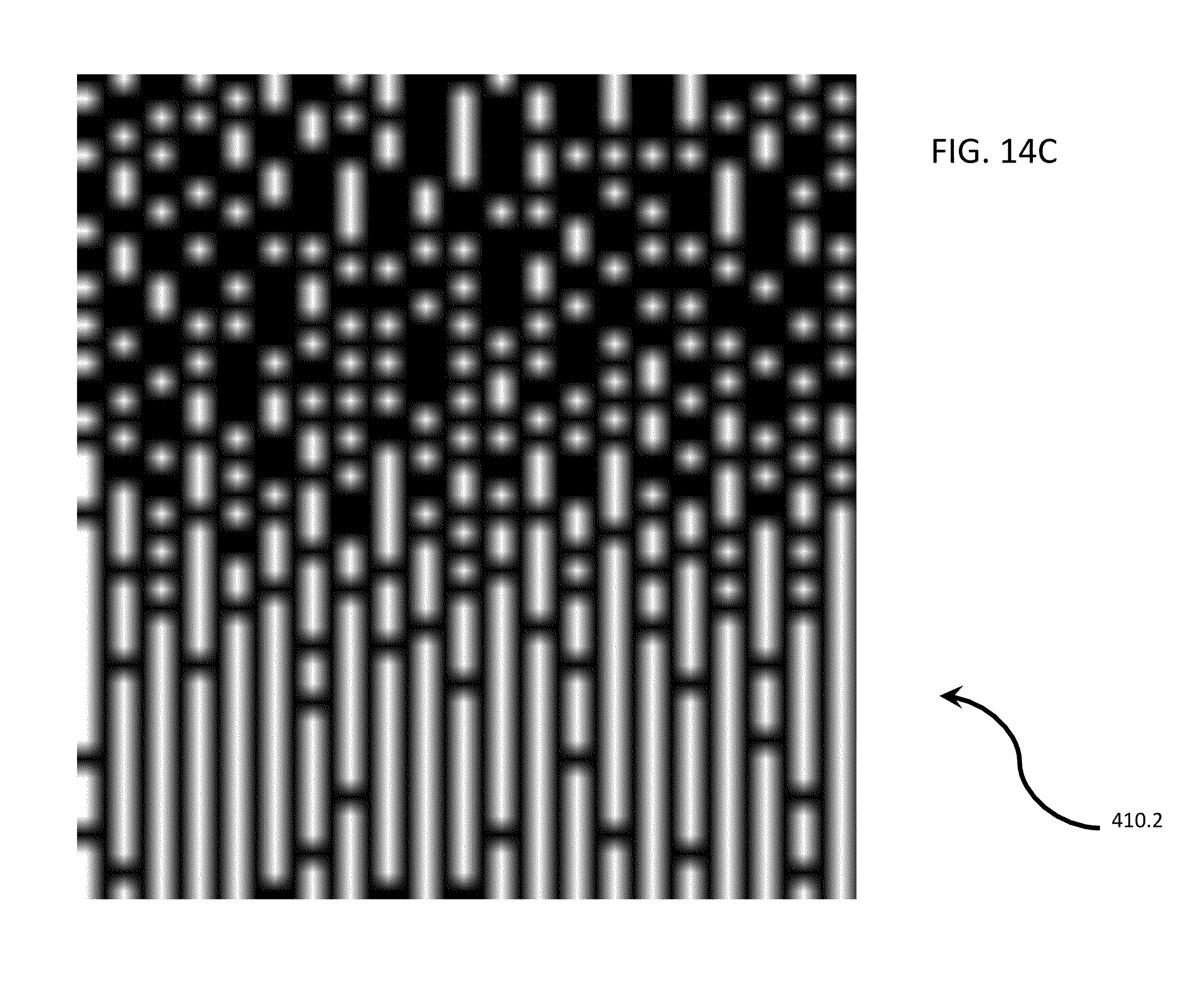
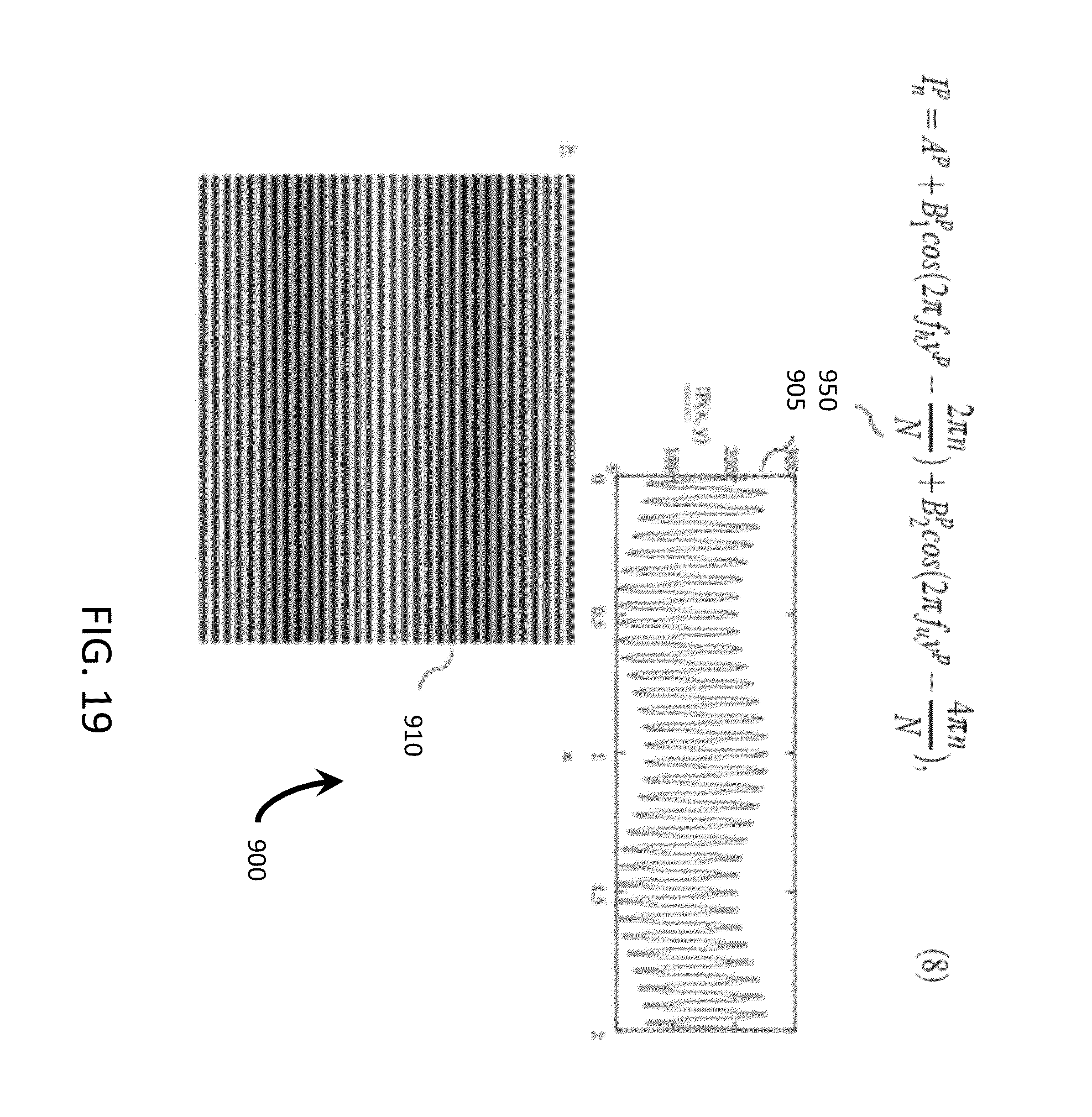
This patent introduces a compact handheld module that uses a polarizing beam splitter and a tilted mirror to fold the optical path. The projector and camera effectively share the same axis, but the polarization separation keeps their light apart while the tilted mirror reconstructs the effective triangulation angle. A fixed-pattern optic replaces the electronic DLP to keep the device small, and a dual-frequency pattern lets the system skip phase unwrapping. The package is small enough for dental intra-oral scanning, internal machinery inspection, skin and tissue examination, and other applications that previously demanded a desk-mounted scanner.
Figures