Structured light 3-D measurement module and system for illuminating a subject-under-test in relative linear motion with a fixed-pattern optic
Summary
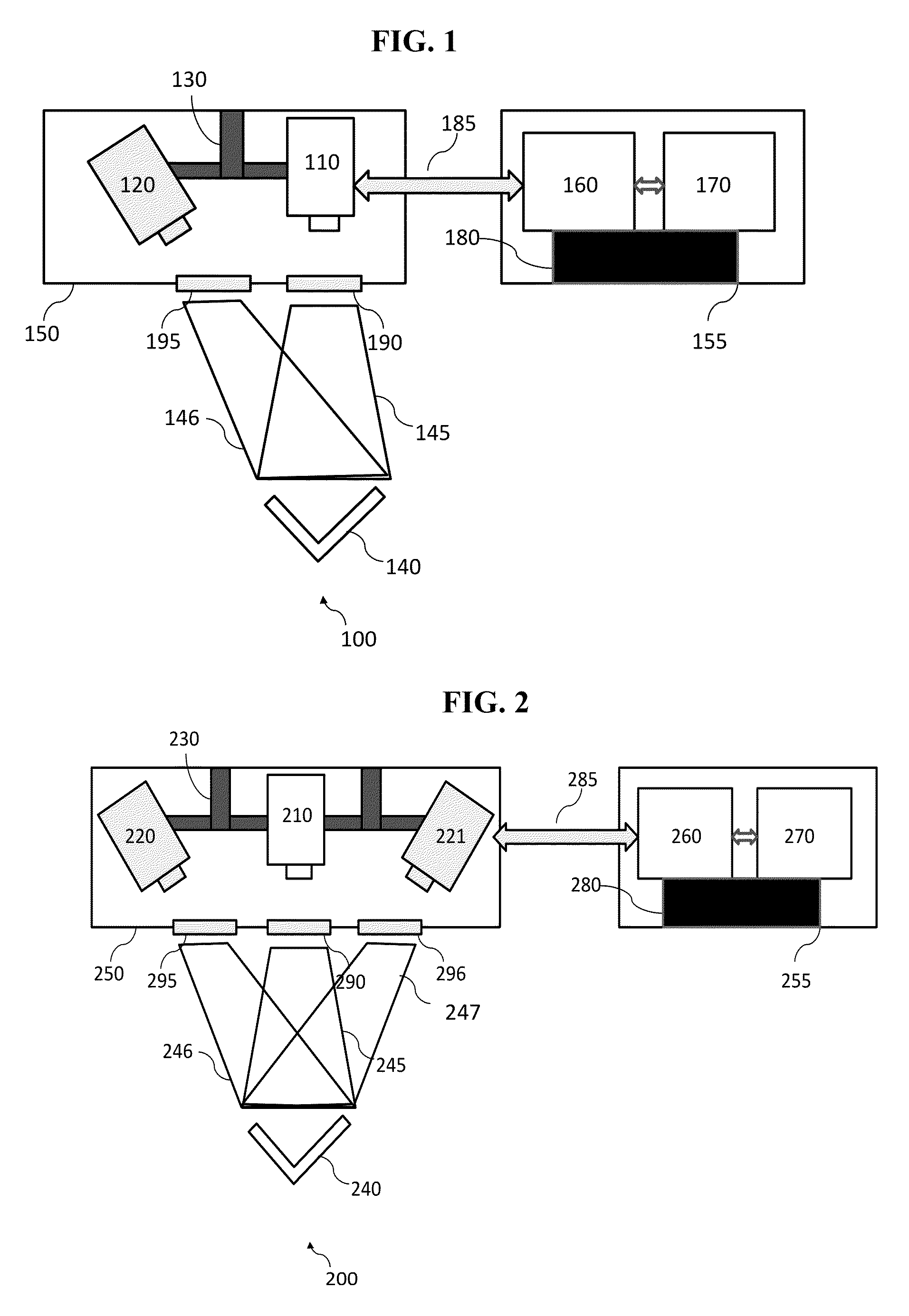
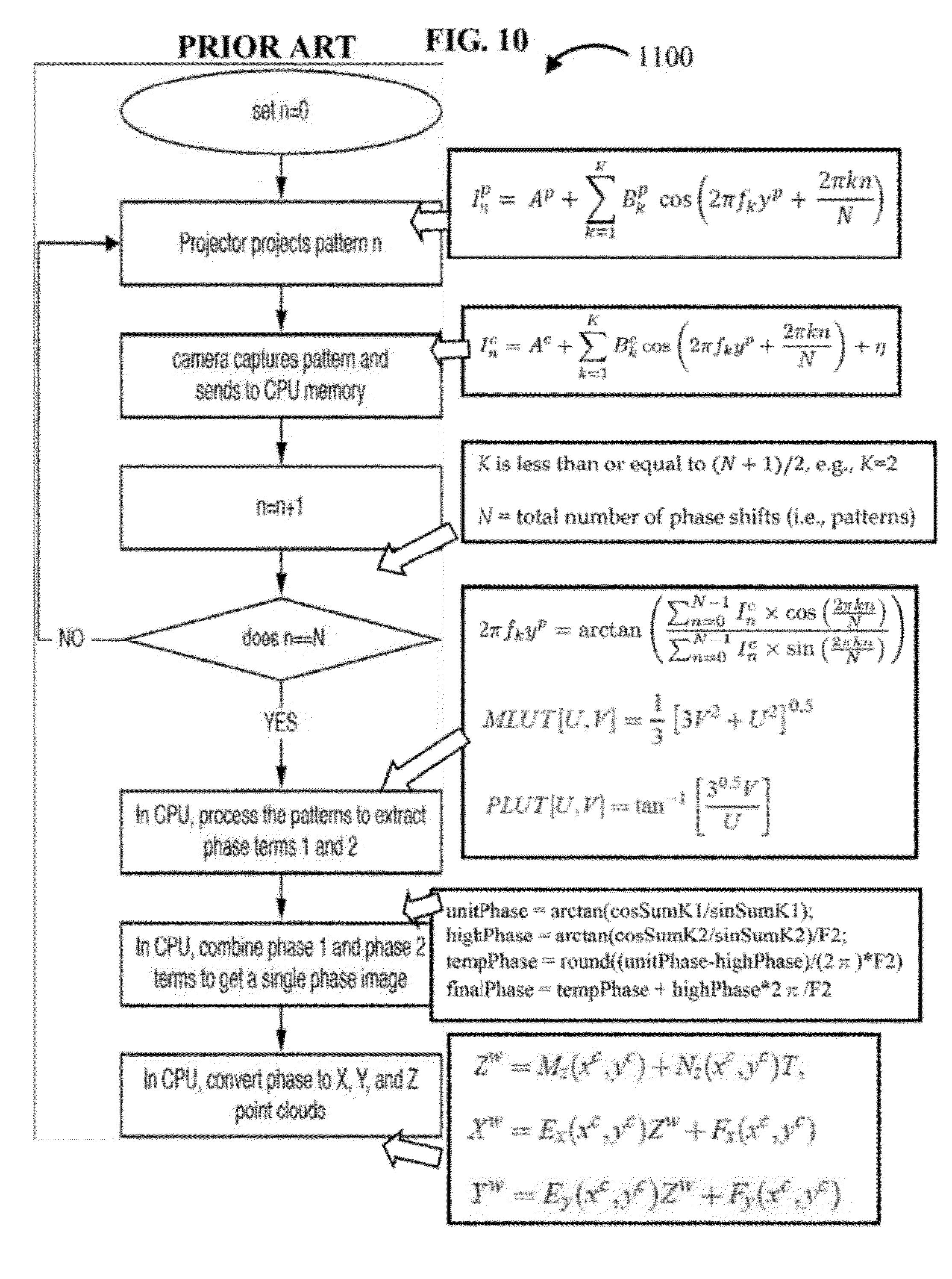
Most structured-light scanners use a programmable projector — typically a micro-mirror DLP chip — that switches between several patterns while the camera records each one. The hardware works, but it is bulky, electronically complex, and requires precise timing between projector and camera. Tight spaces — the inside of a pipeline, a conveyor crowded with sensors — leave no room for it.
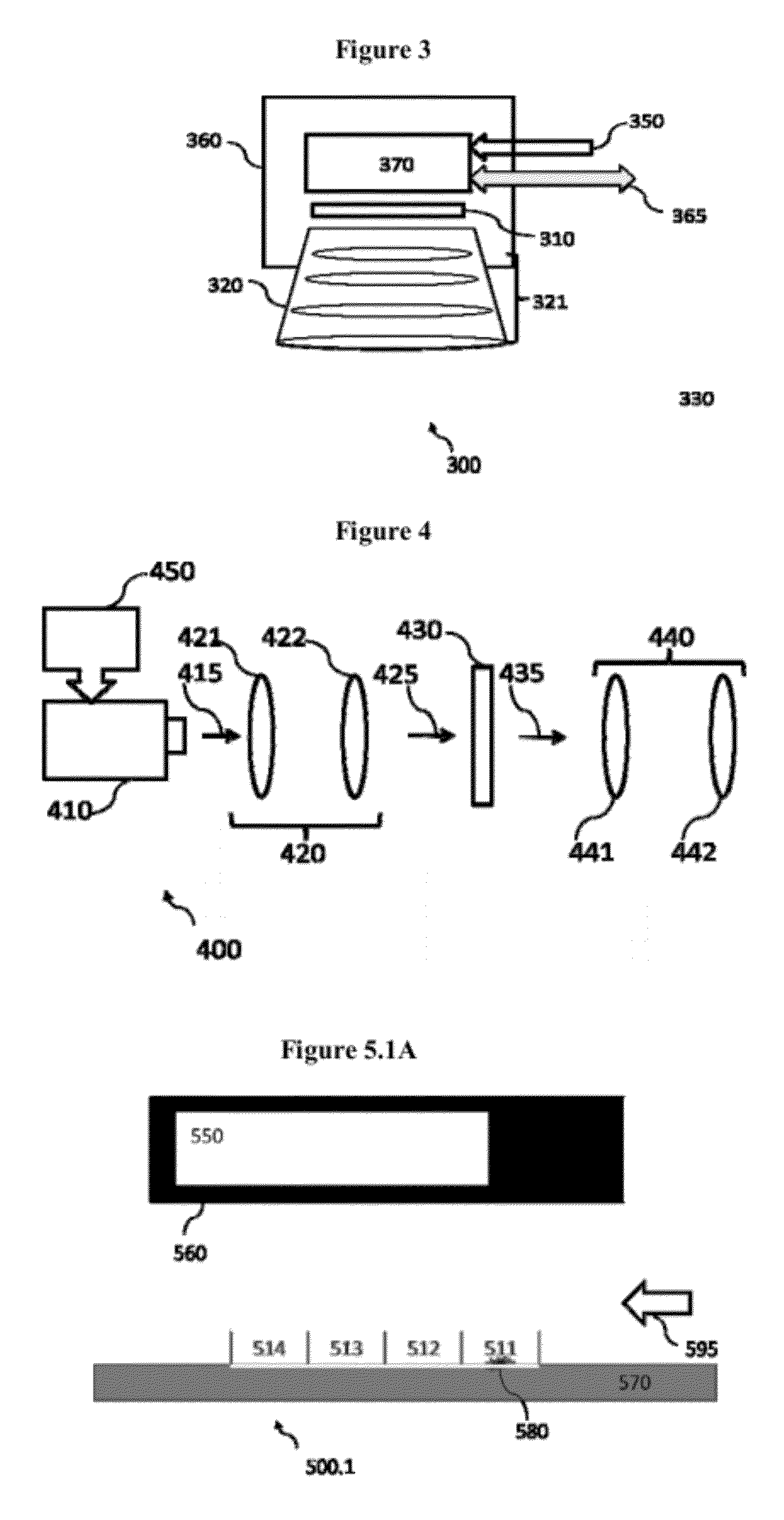
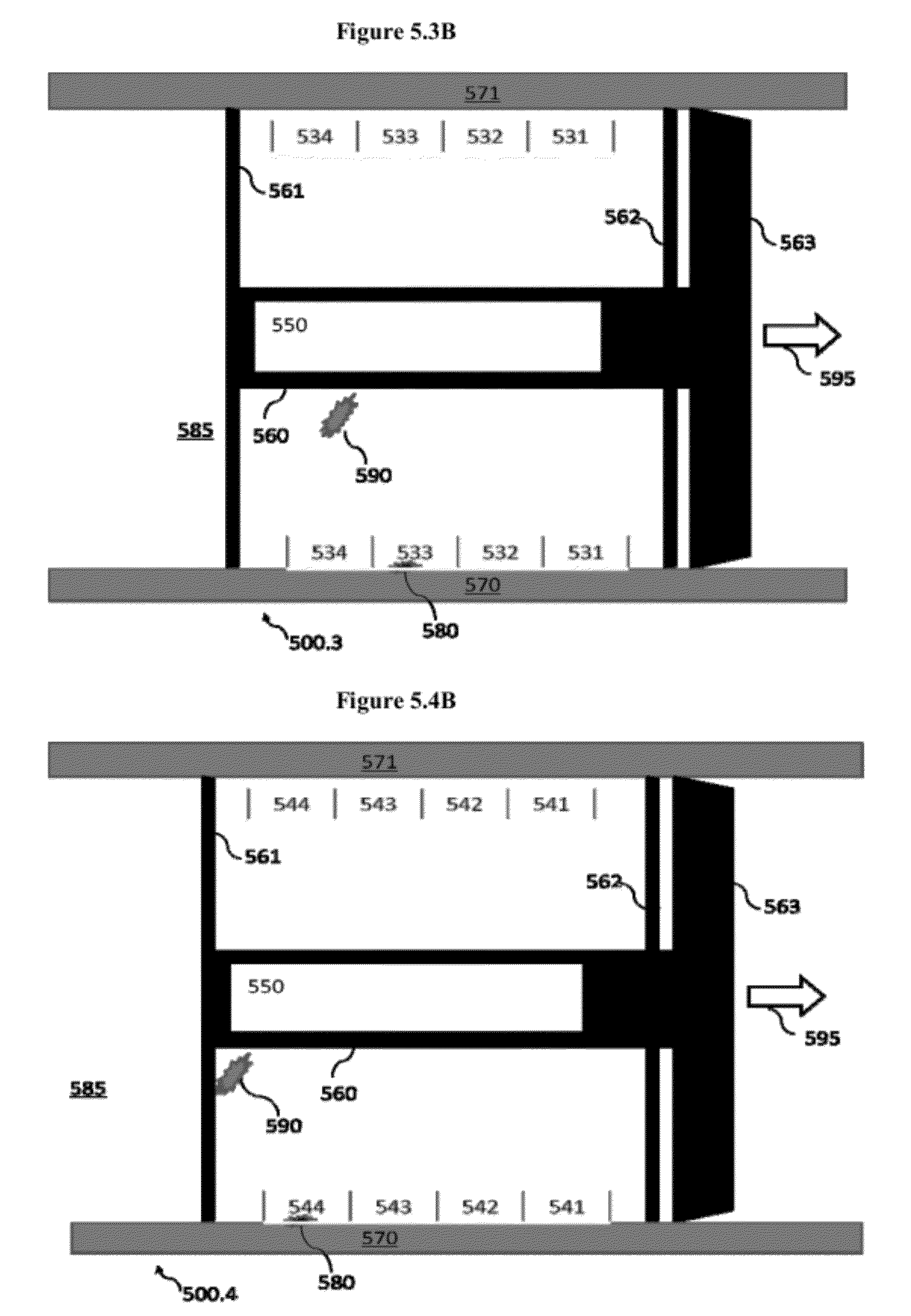
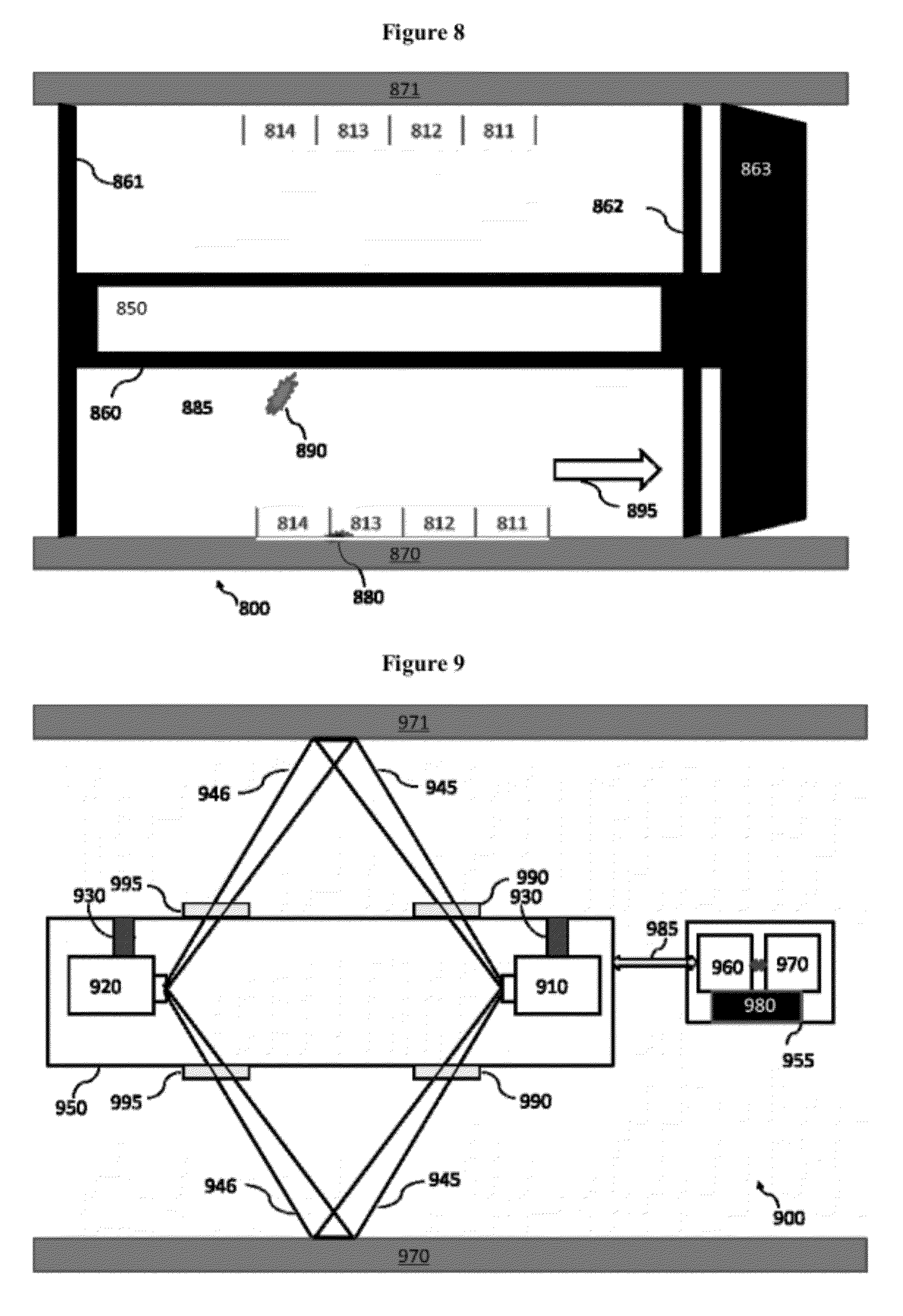
A simpler idea is to etch the patterns directly into a fixed optic, like a slide projected through a static lens, and skip the projector electronics entirely. The trouble is that 3D reconstruction normally needs multiple patterns shown one after another, and a fixed optic shows only one.
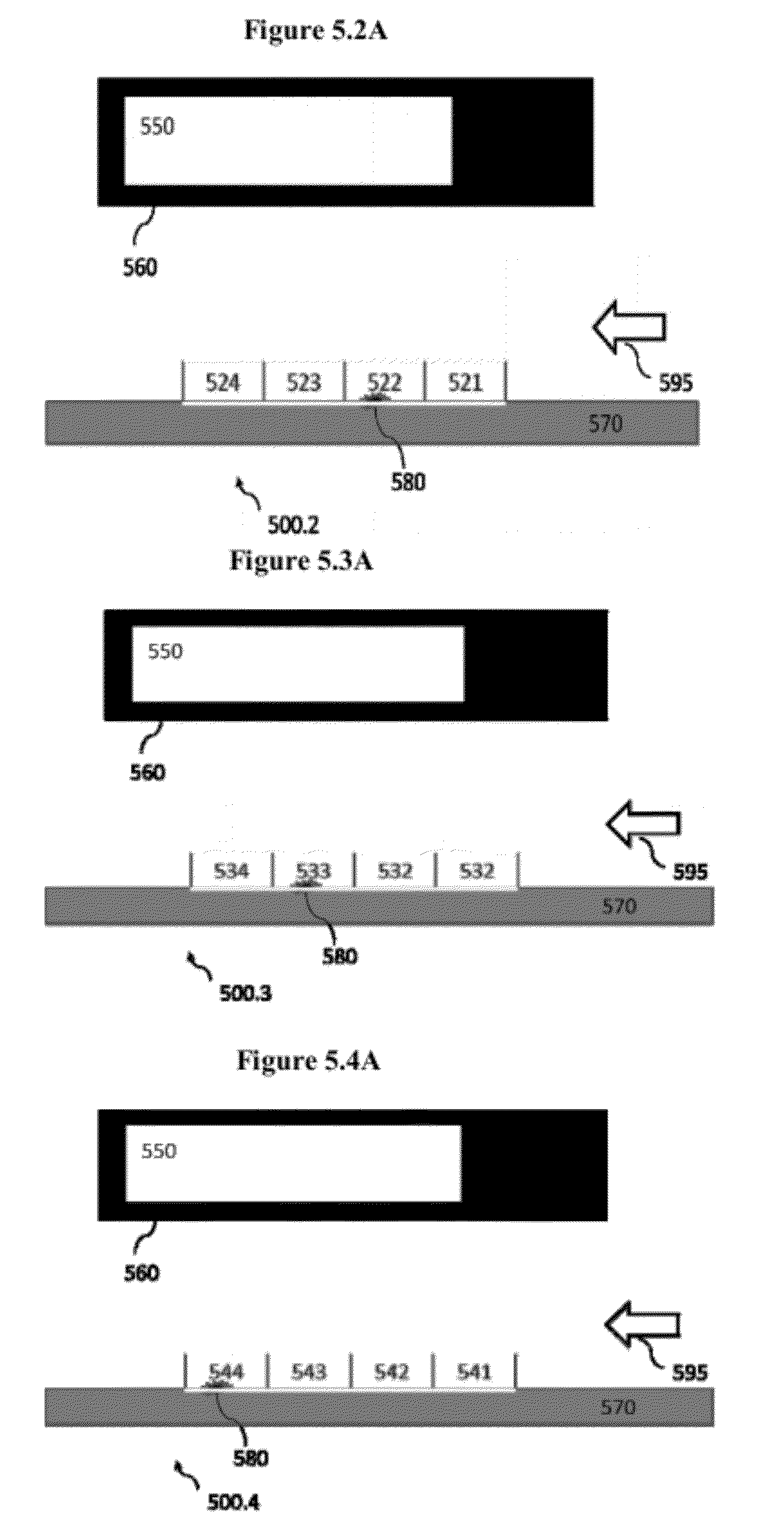
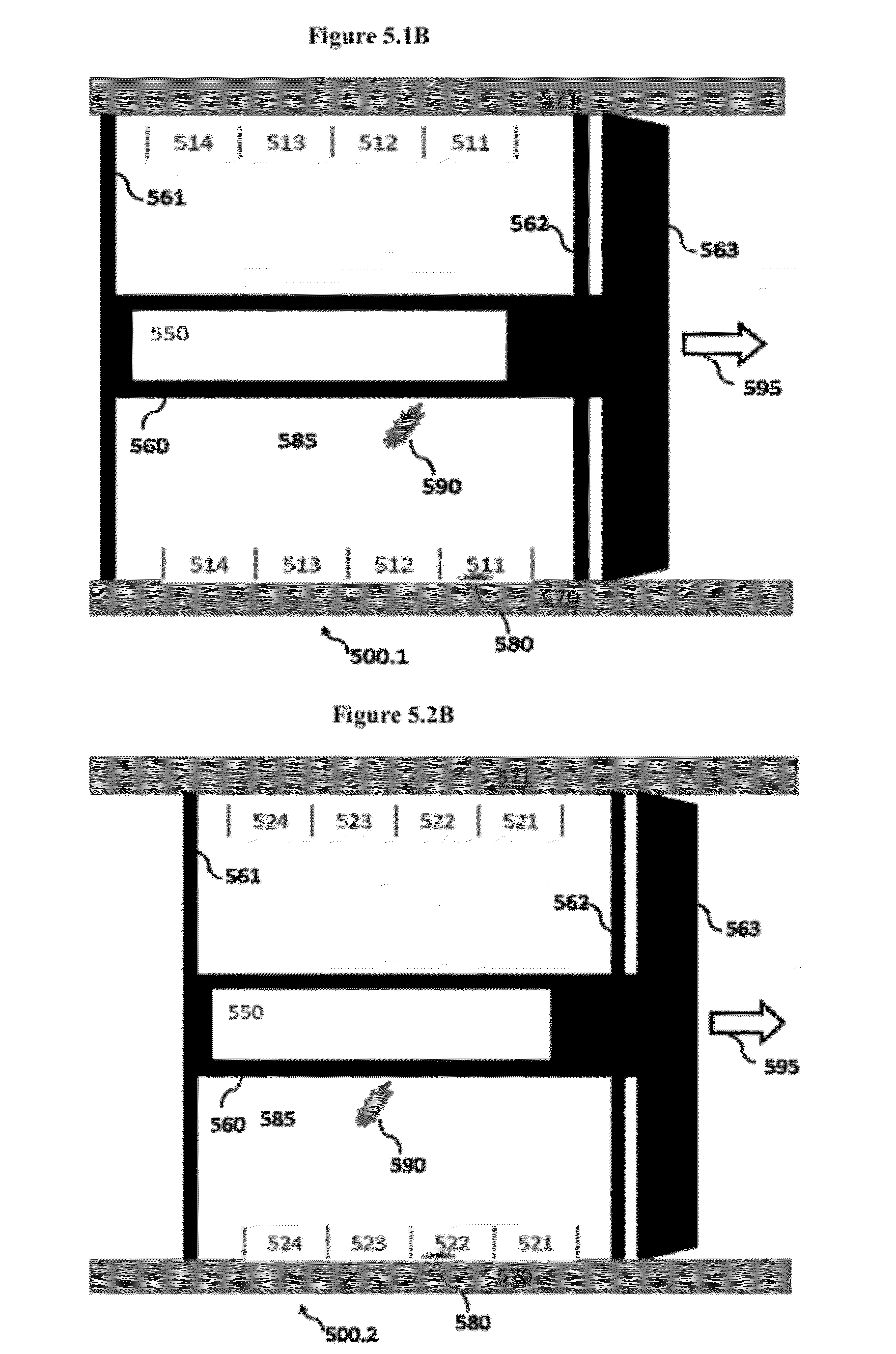
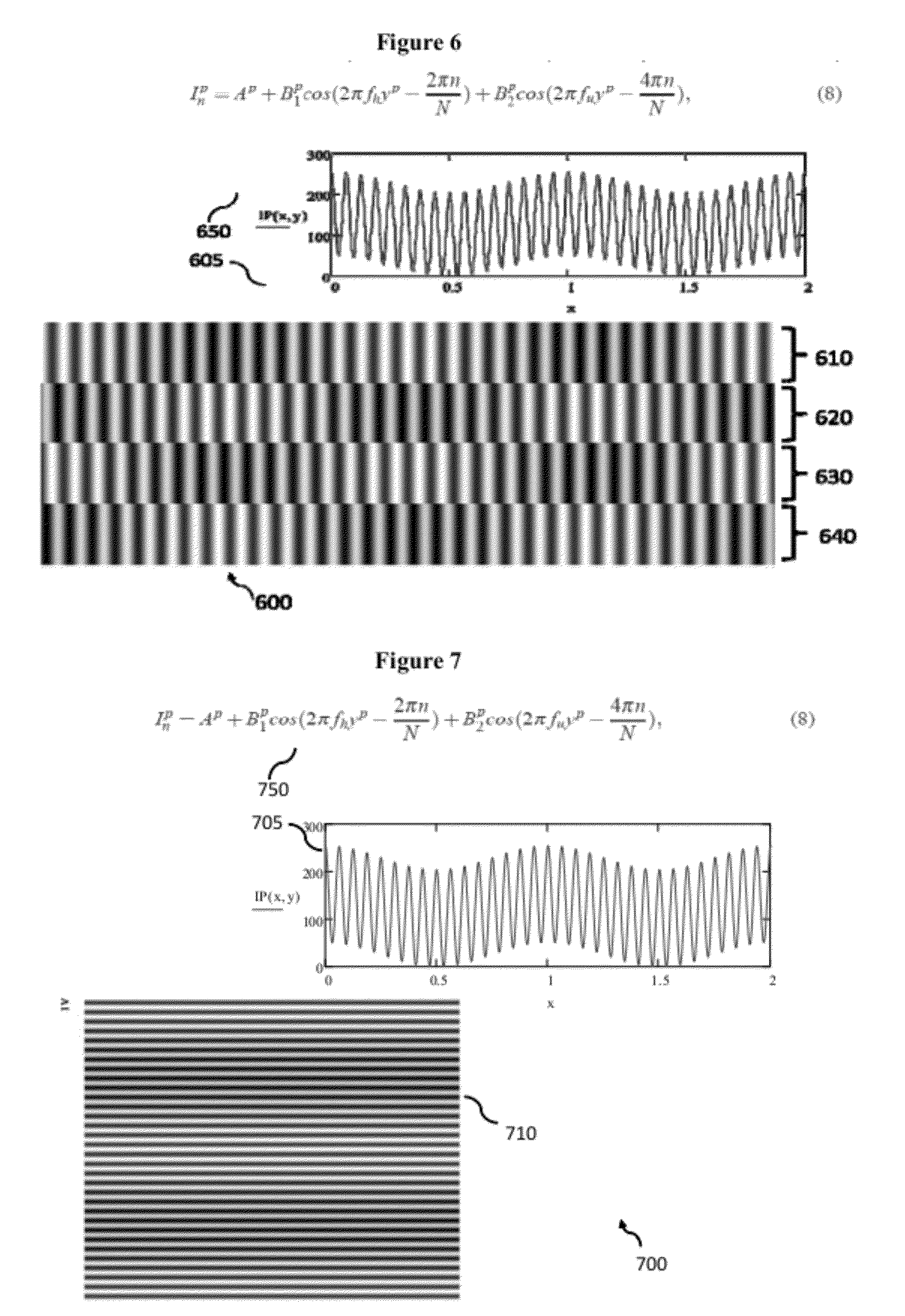
This patent solves that by letting the object’s own motion do the temporal work. The fixed optic carries several overlaid phase patterns, and as the part moves linearly past the projector — down a conveyor or through a pipeline — every point on its surface sweeps through each phase in turn. The camera records the sequence and reconstructs depth from the motion itself. No electronically-driven projector, no synchronization, very small footprint — suitable for pipeline inspection, semiconductor wafer scanning, and any application where the geometry to be measured is already moving.
Figures