Method and a system for reducing artifacts
Summary
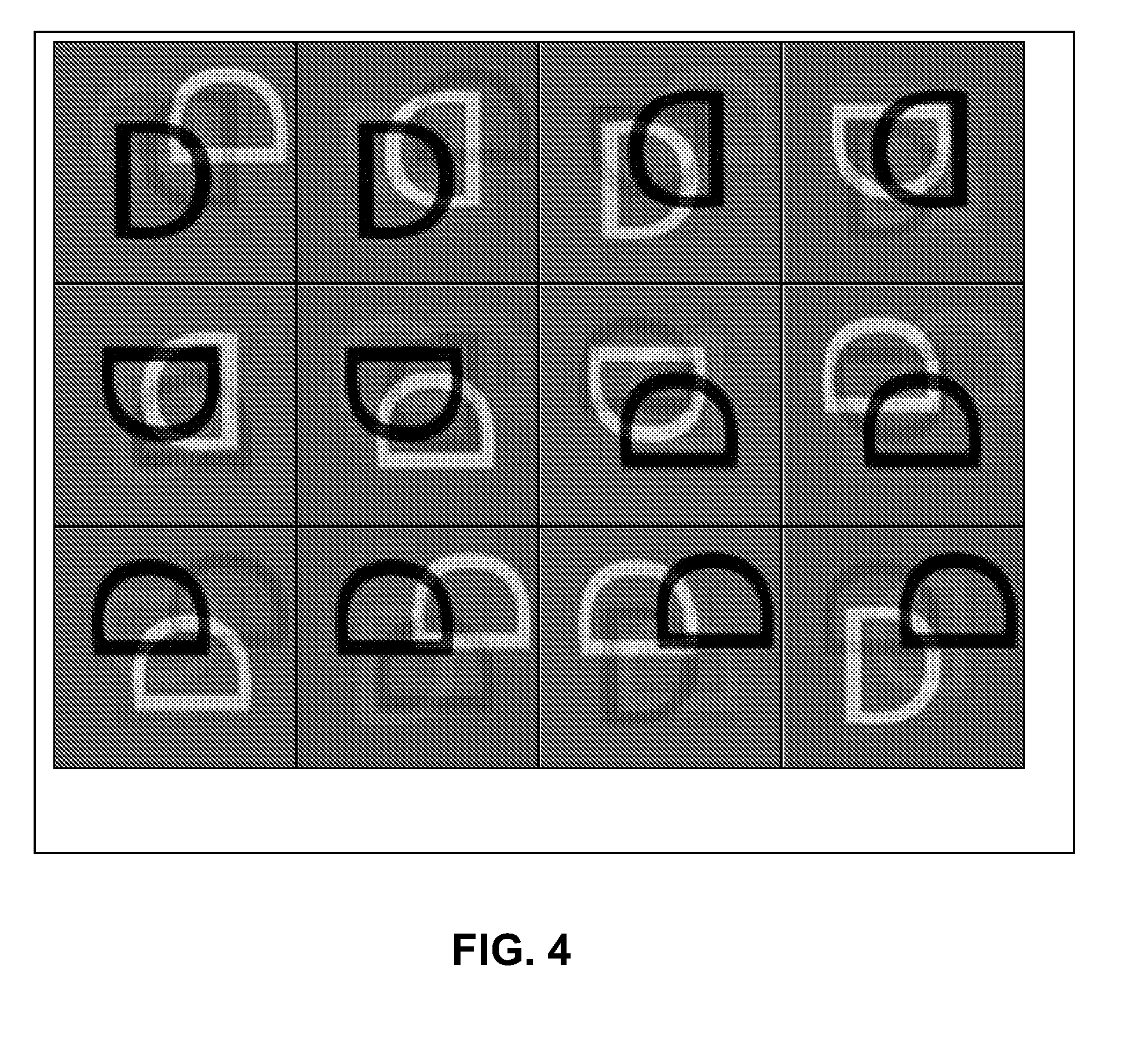
A lenticular print works by interlacing several images under an array of tiny cylindrical lenses, so the viewer sees a different image as the viewing angle changes — a 3D effect, a flip, or a short animation. In practice, the result is rarely crisp at every angle. Adjacent images bleed into each other, producing the soft “ghosts” that make most lenticular prints look slightly off — along with banding, moiré, and checkerboard patterning that come with the territory.
The standard response is to clean up the final interlaced image, but the ghosts arise from the optics of the lens array, not from anything fixable in the interlace itself. Different viewing angles each get their own ghost contribution from neighboring frames, and a single pass over the interlaced output cannot undo a viewing-angle-specific blur.
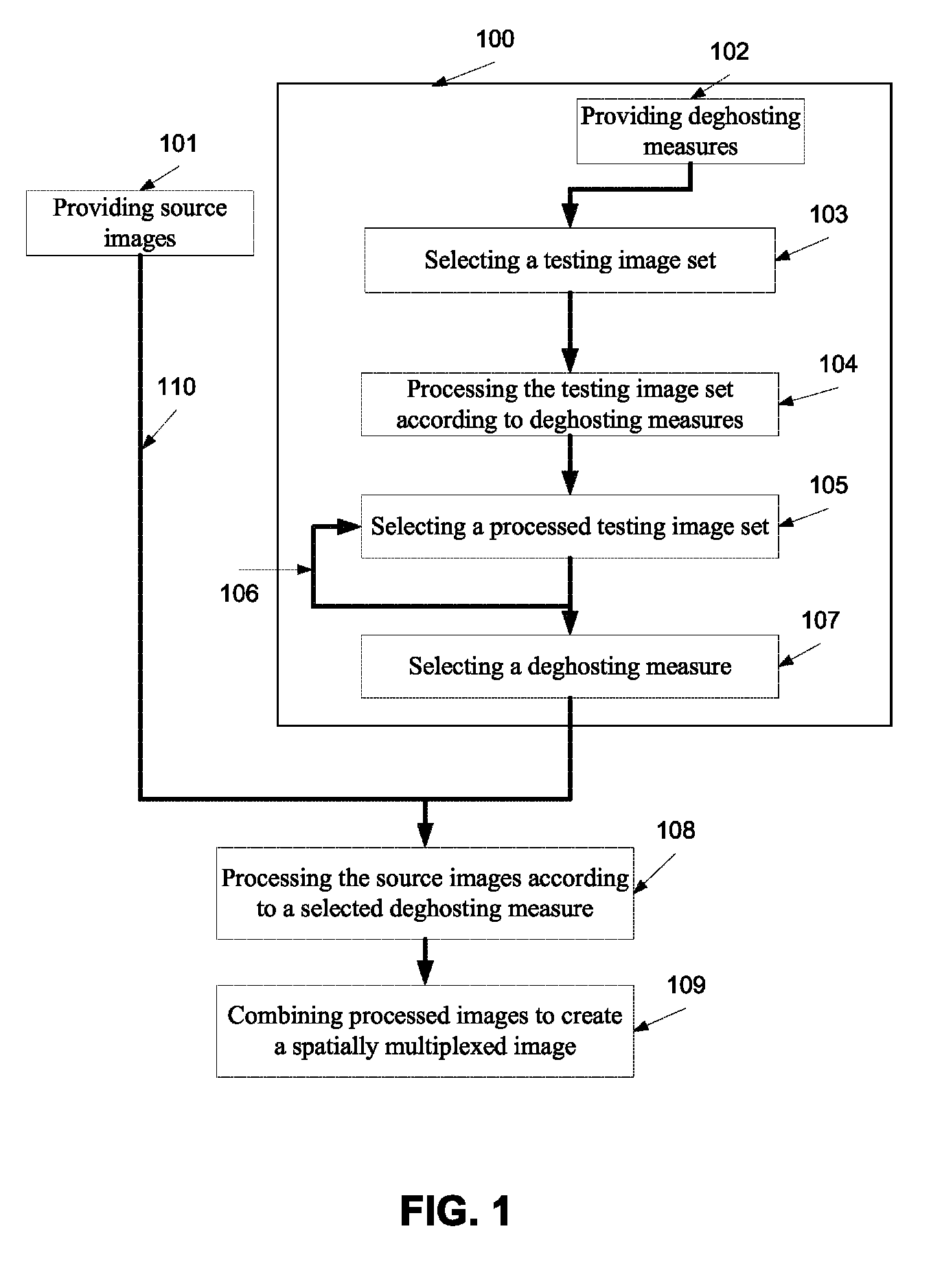
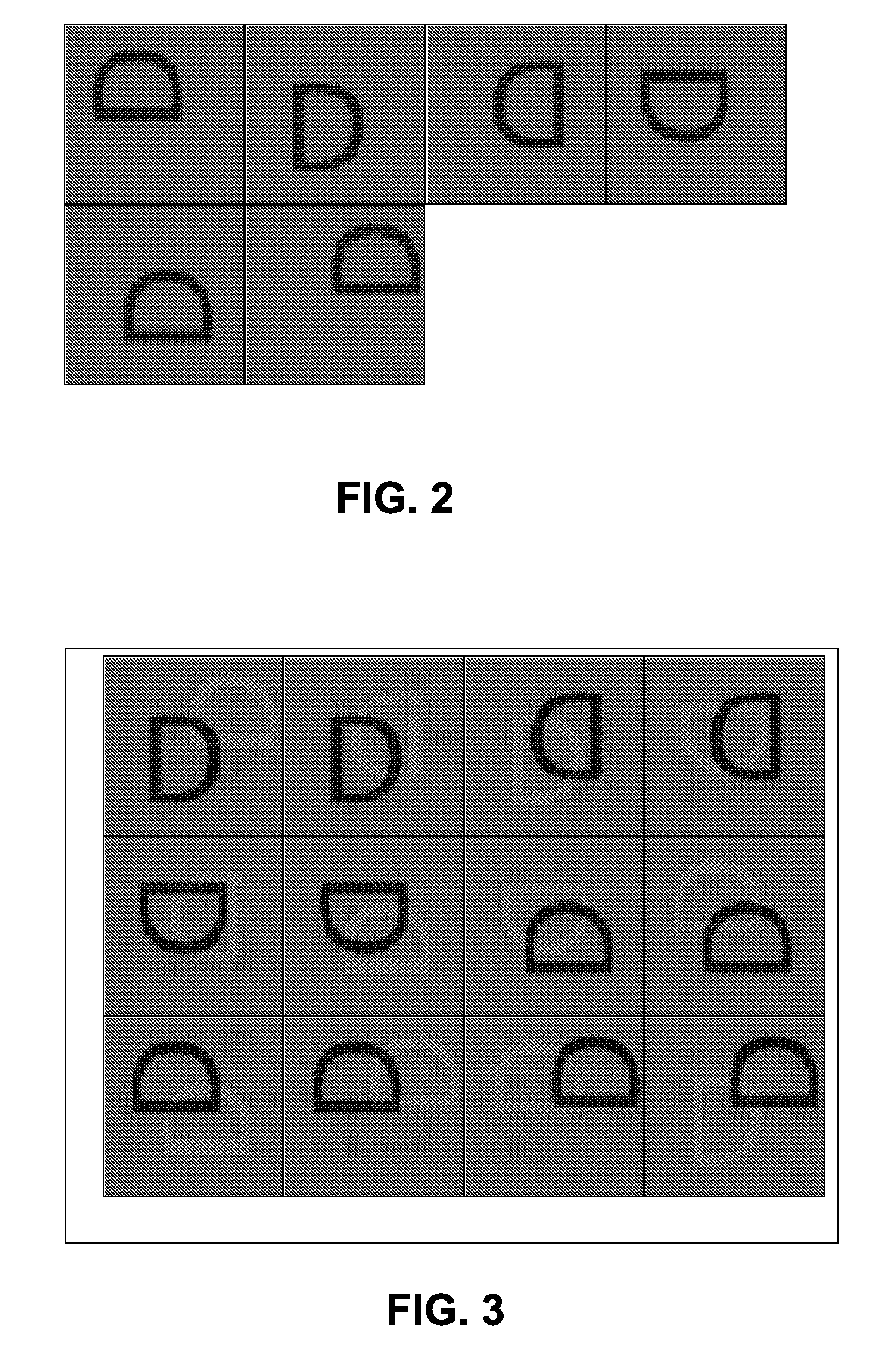
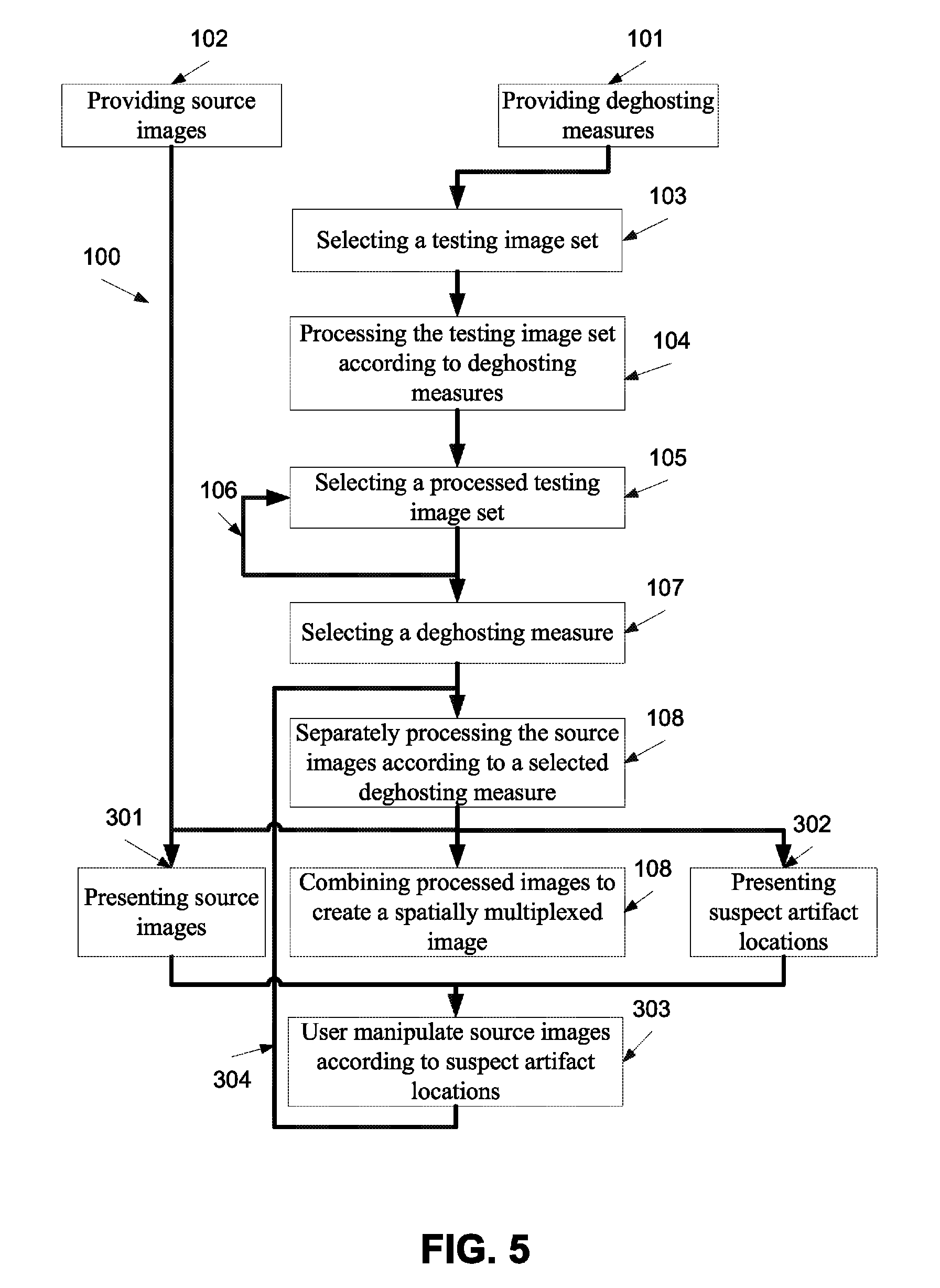
This patent moves the correction upstream, before interlacing. The source images themselves are pre-processed with deliberate “deghosting” elements — inverse blurs and counter-shadows tuned to the specific blur profile of the lens being used — chosen so that when the lens optically mixes neighboring frames, the injected counter-blur cancels the ghosting the viewer would otherwise see. The system selects the blur profile that matches the real optical behavior and exposes a feedback loop so designers can iterate on suspect regions. Applied to 3D-effect packaging, promotional lenticular displays, and digital lenticular screens, the result is sharper views at every angle without changing the underlying lenticular hardware.
Figures