System and method for 3D imaging using structured light illumination
Summary
Another continuation in the contactless 3D handprint family. The overall idea is the same — project structured light, reconstruct a 3D hand surface, flatten it into a rolled-print equivalent — but this patent claims the engineering details that move the system from research prototype to fielded product.
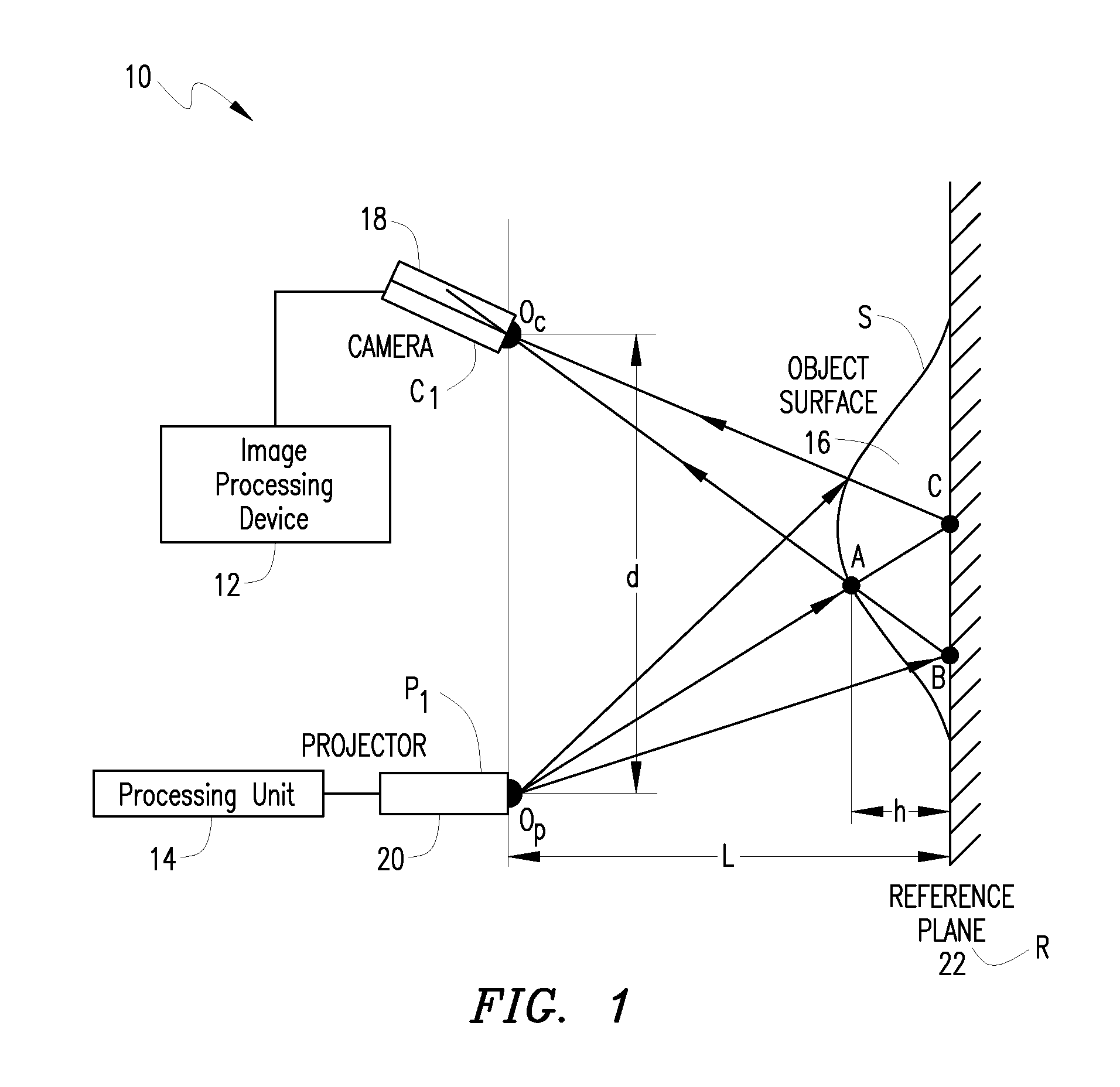
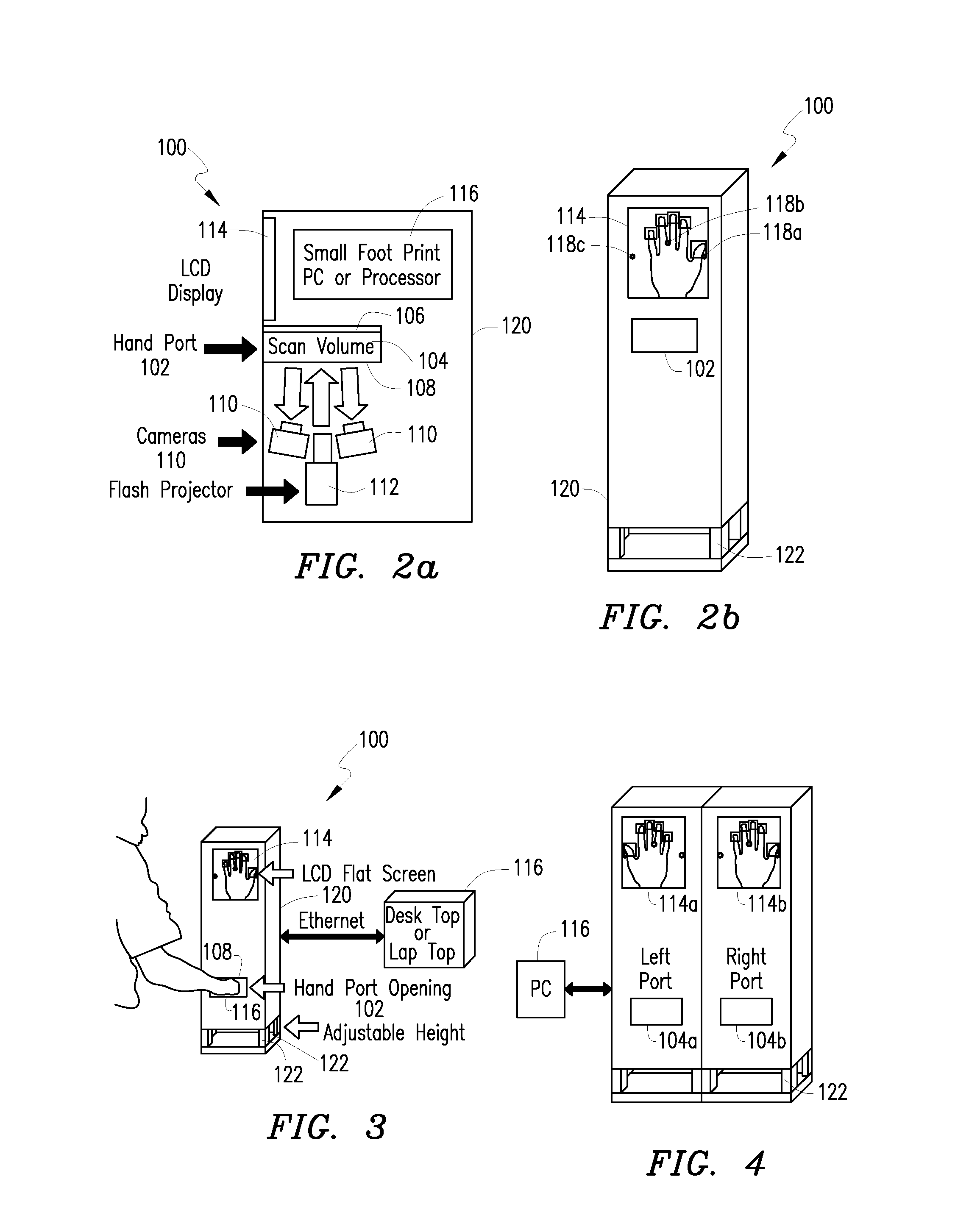
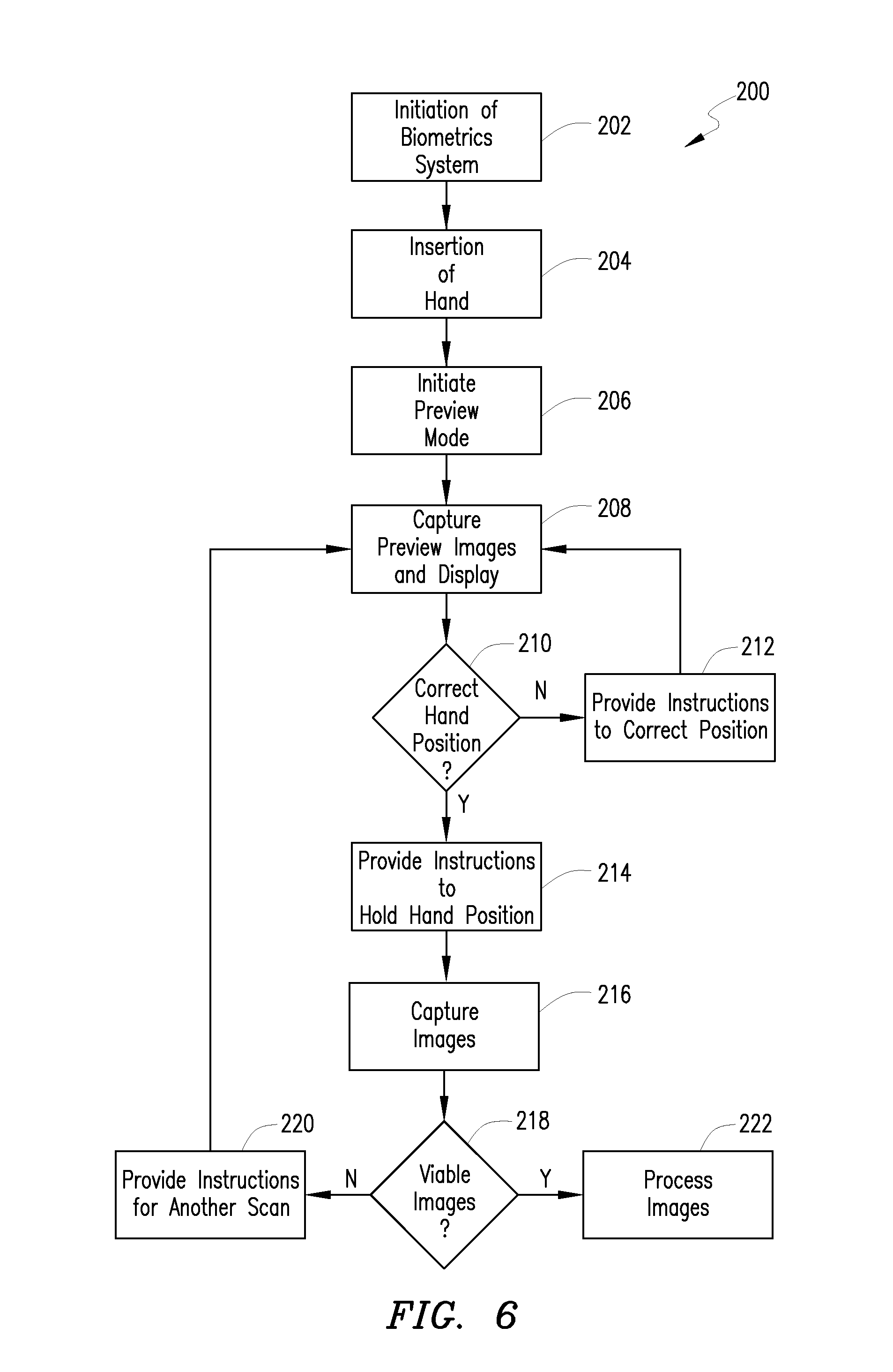
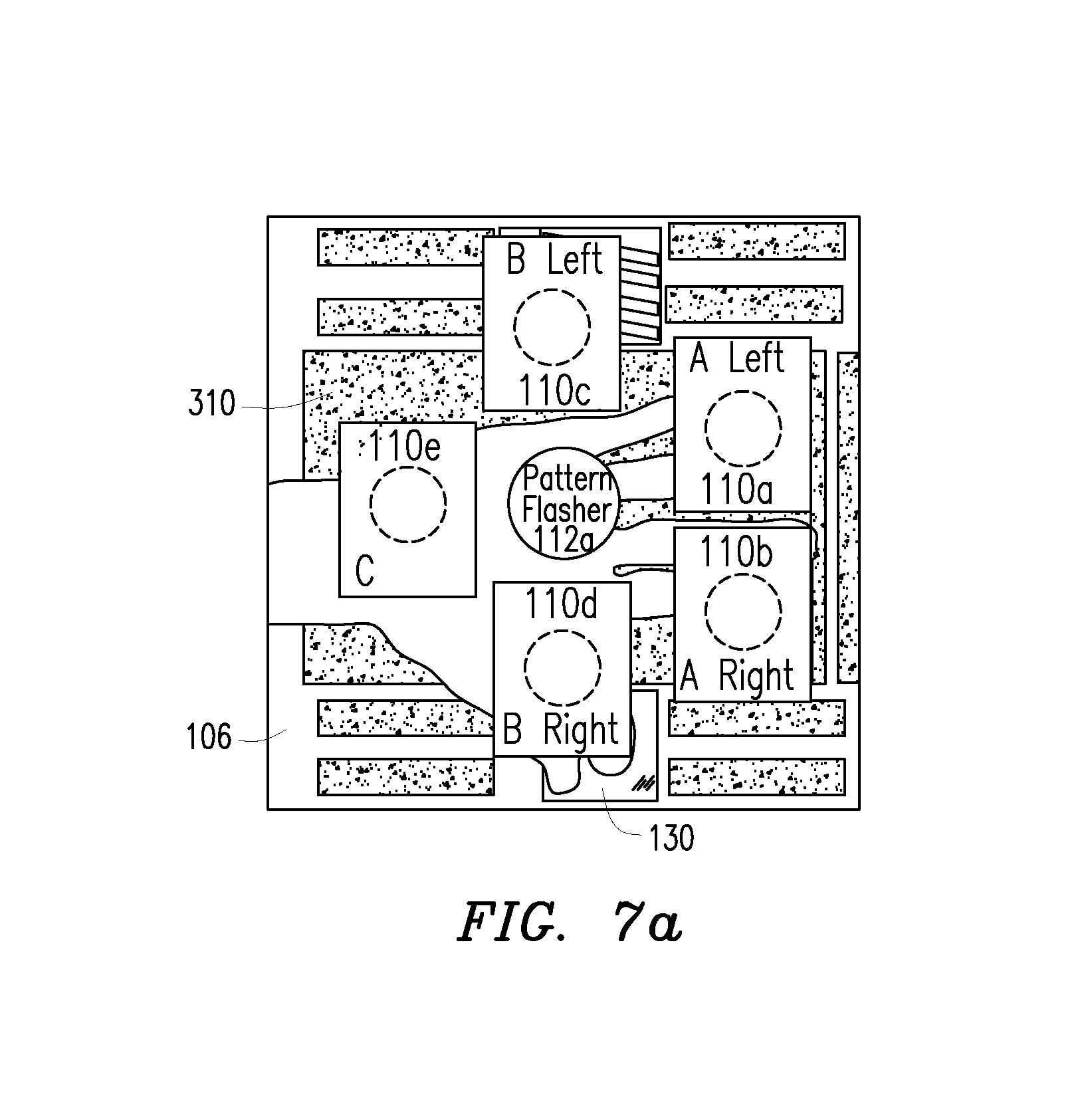
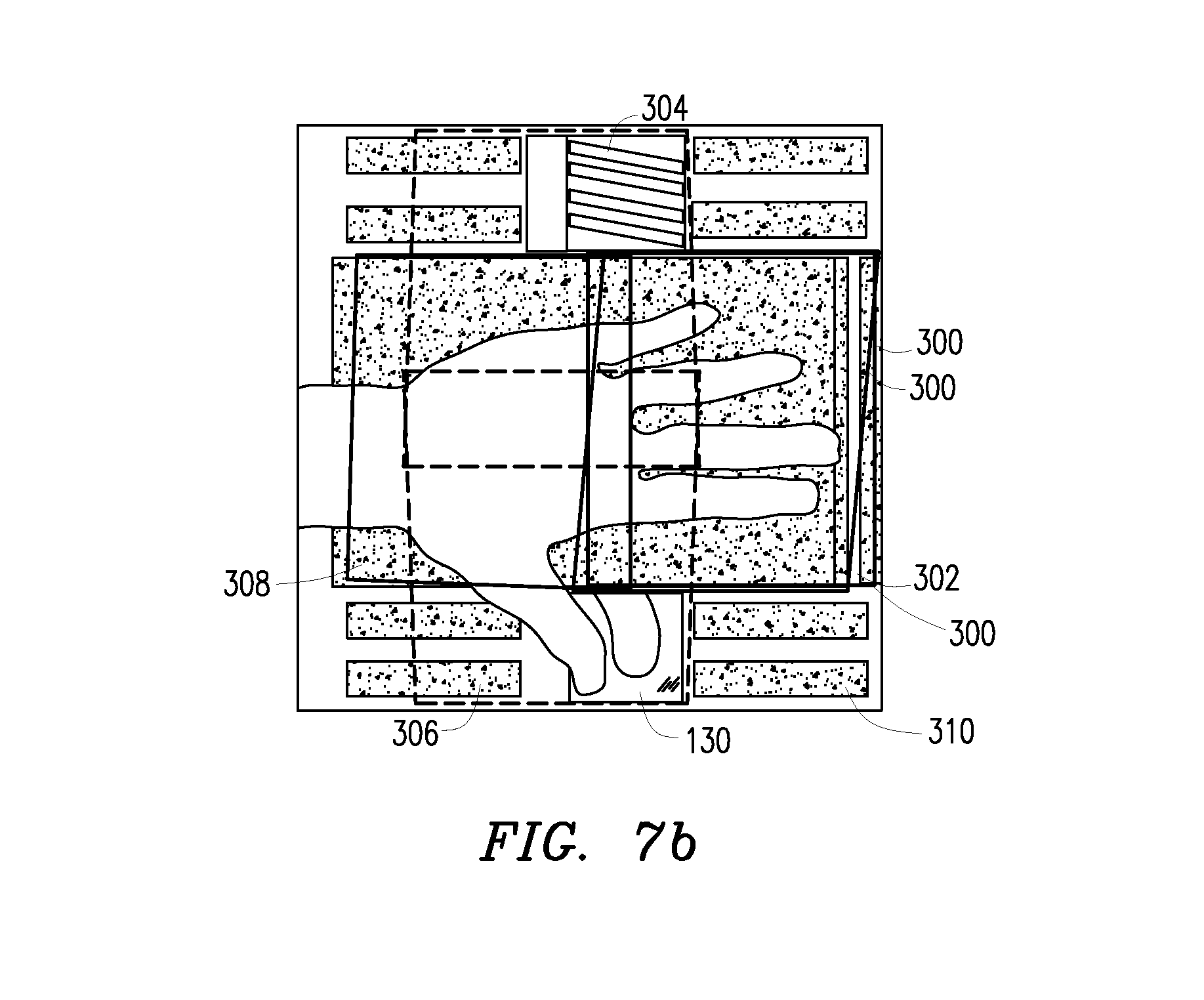
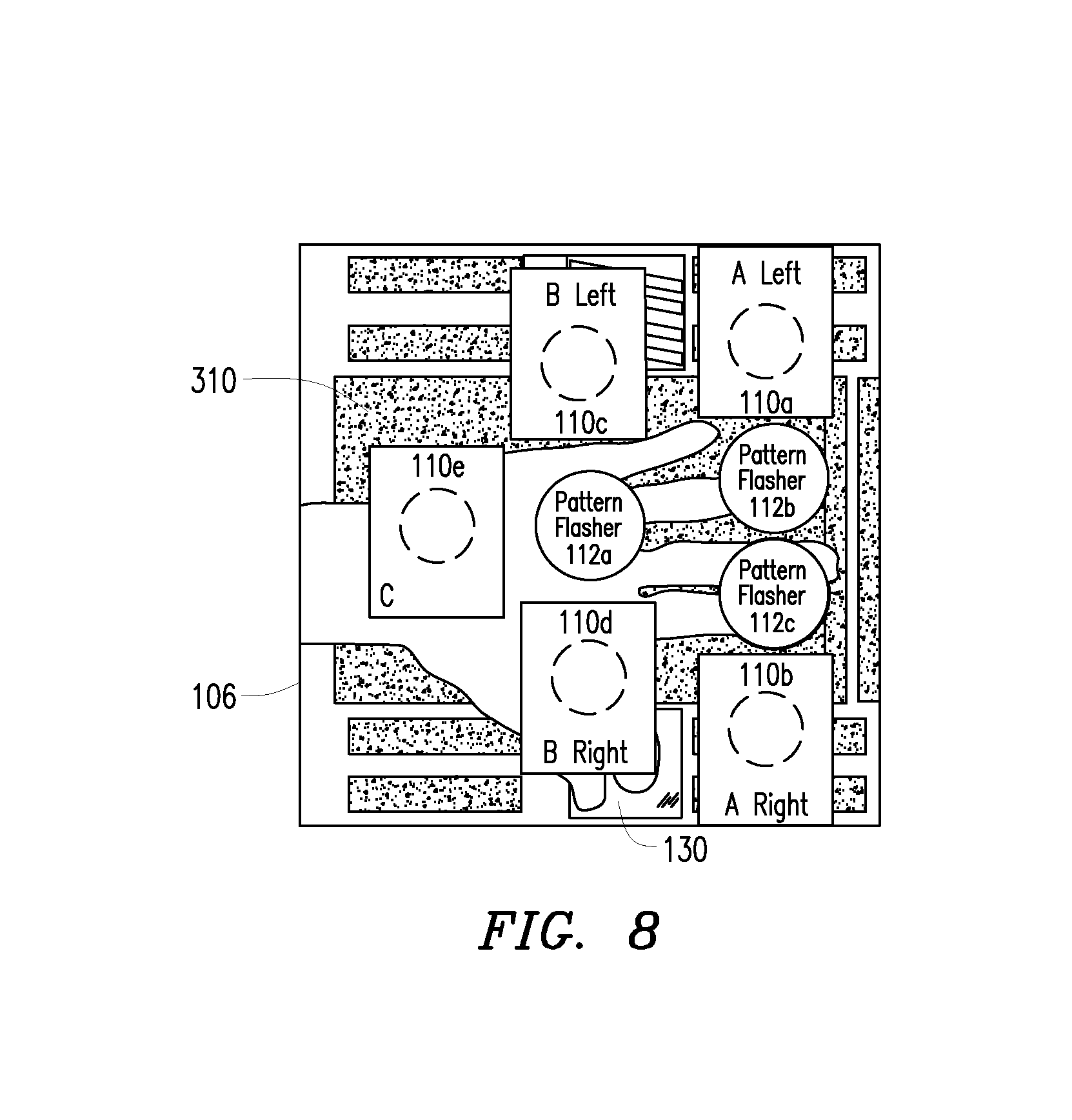
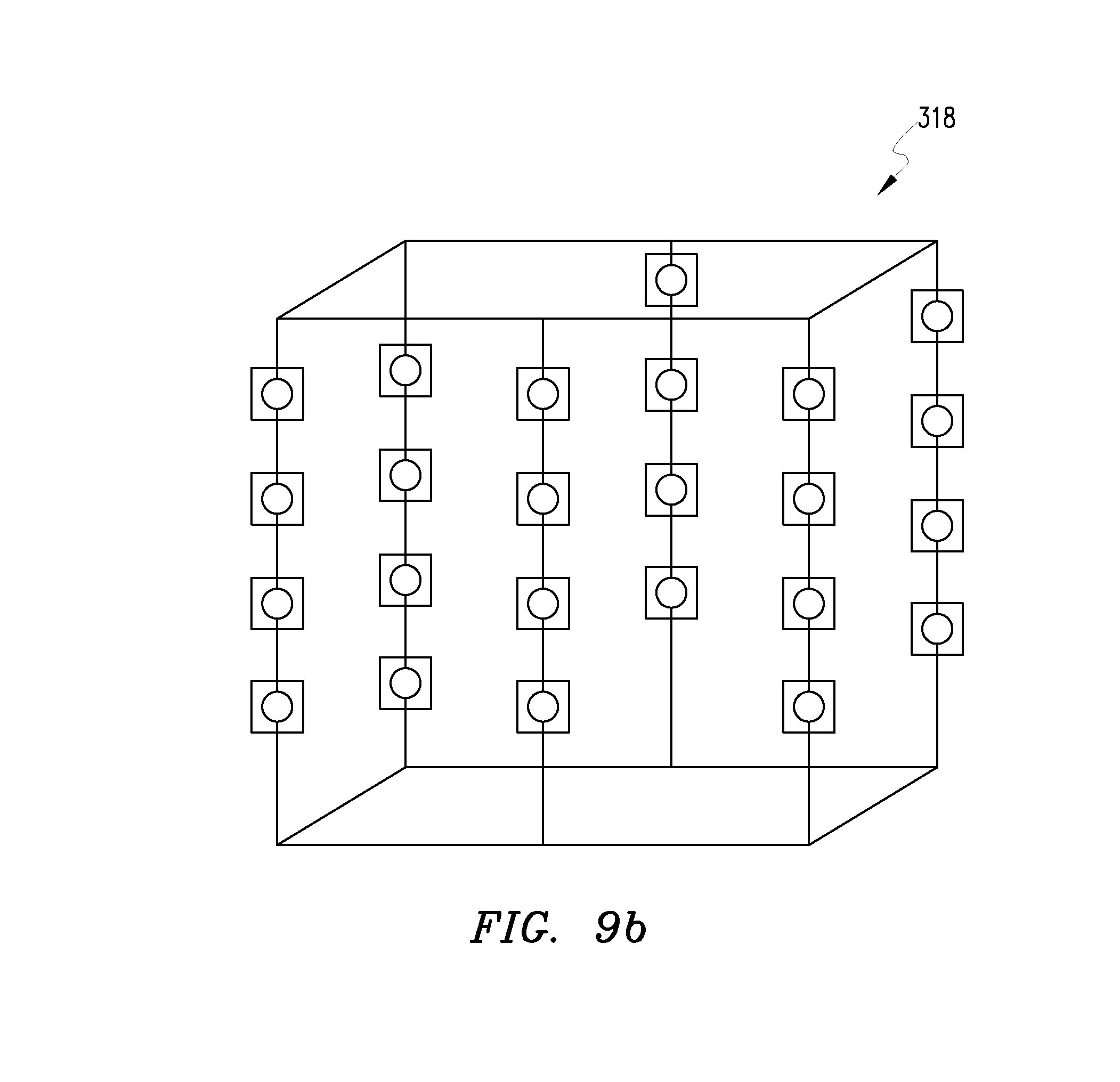
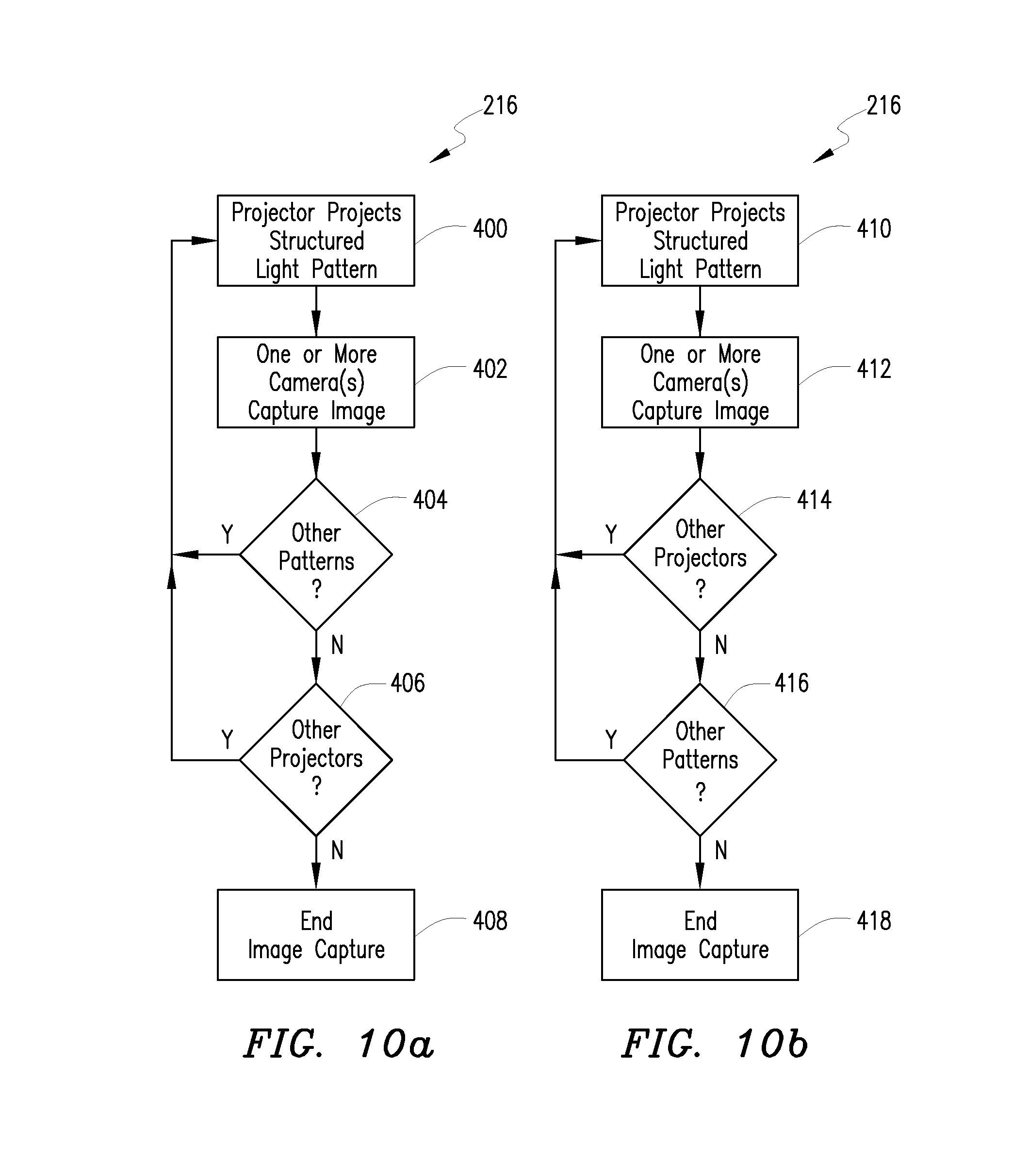
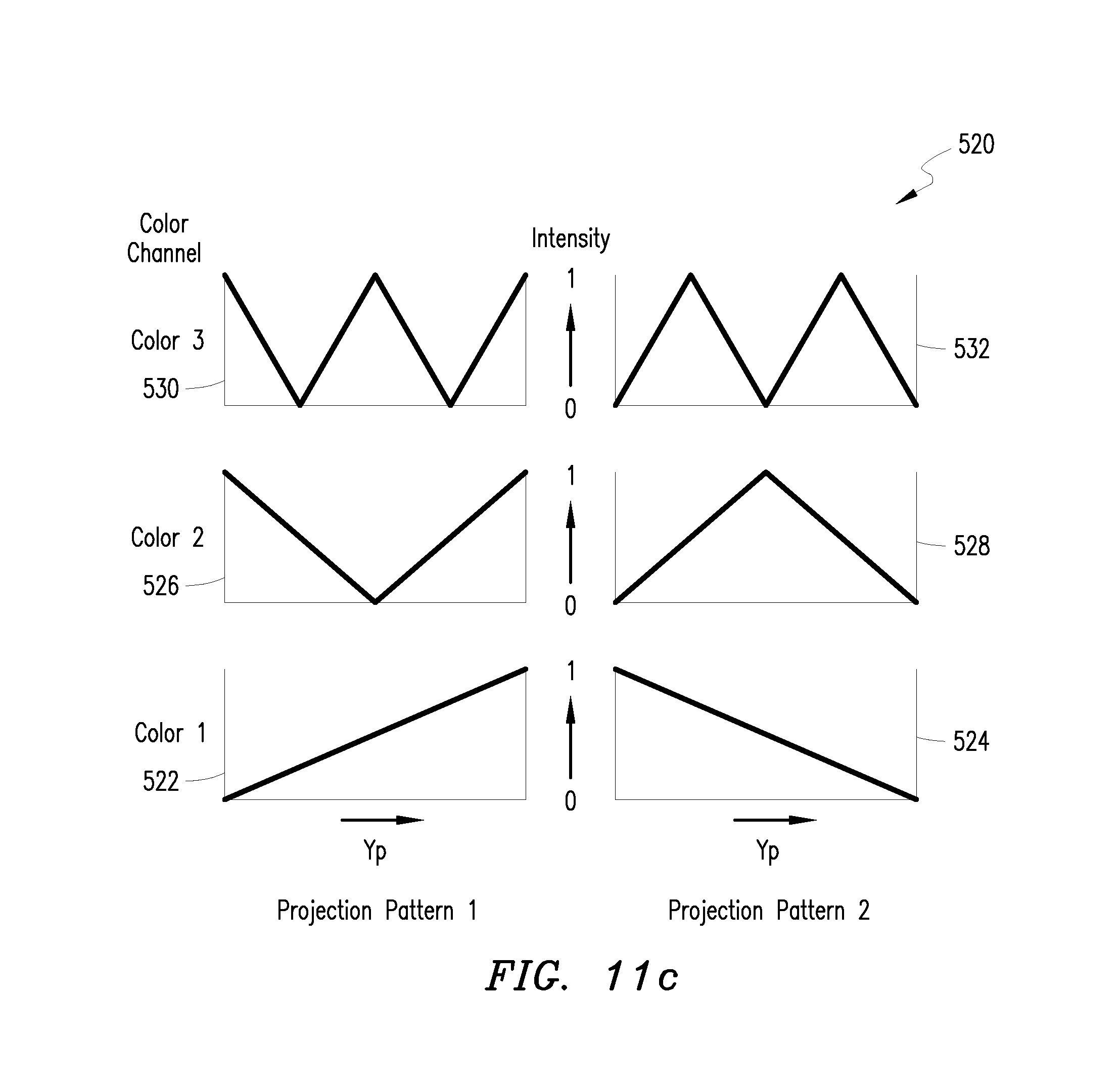
On the hardware side, it covers adjustable-height enclosures for ergonomic positioning, multiple projector arrangements that capture every hand surface at once, and a real-time preview mode that gives a low-resolution feed back to the operator so they can correct placement before triggering the high-resolution capture.
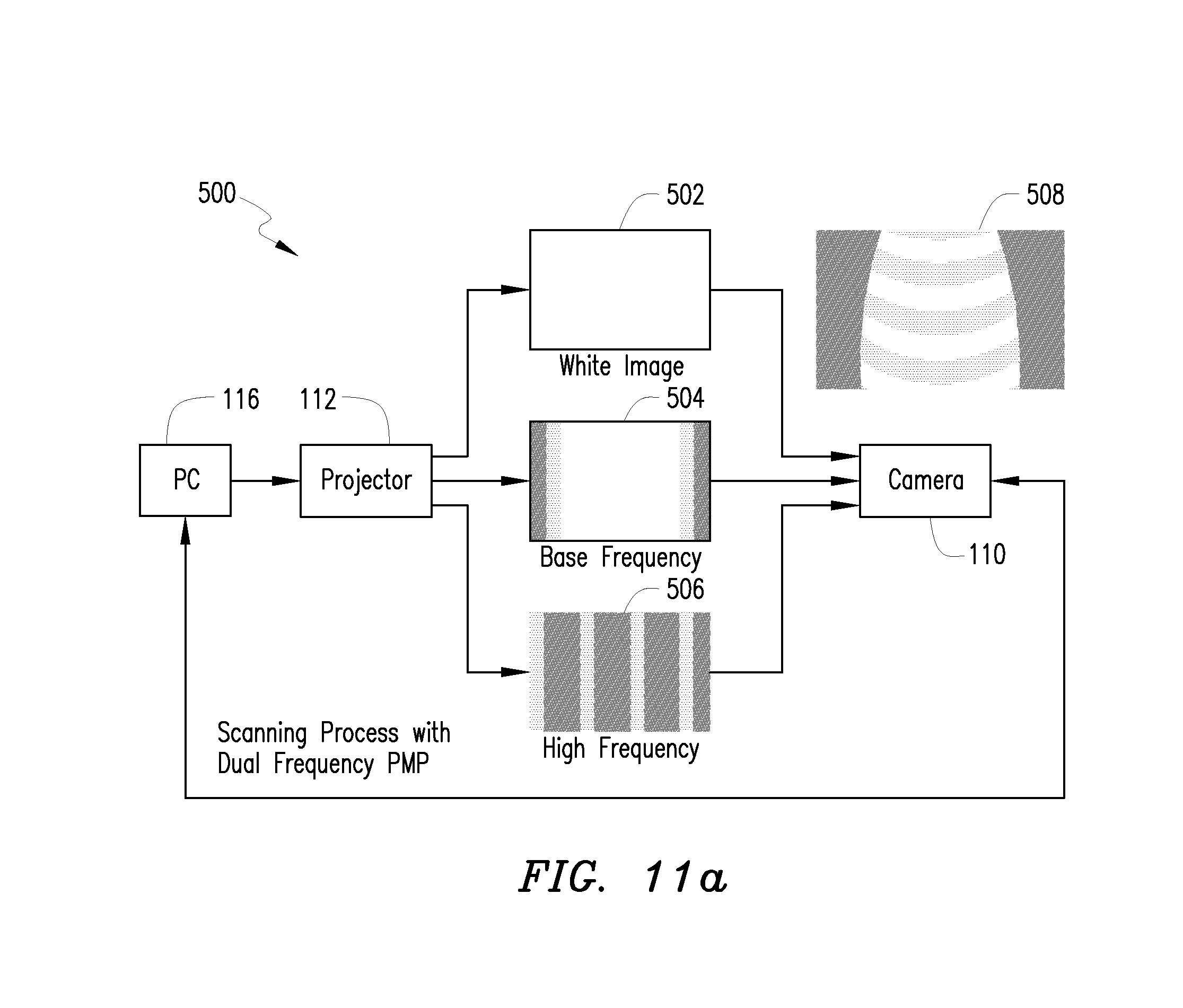
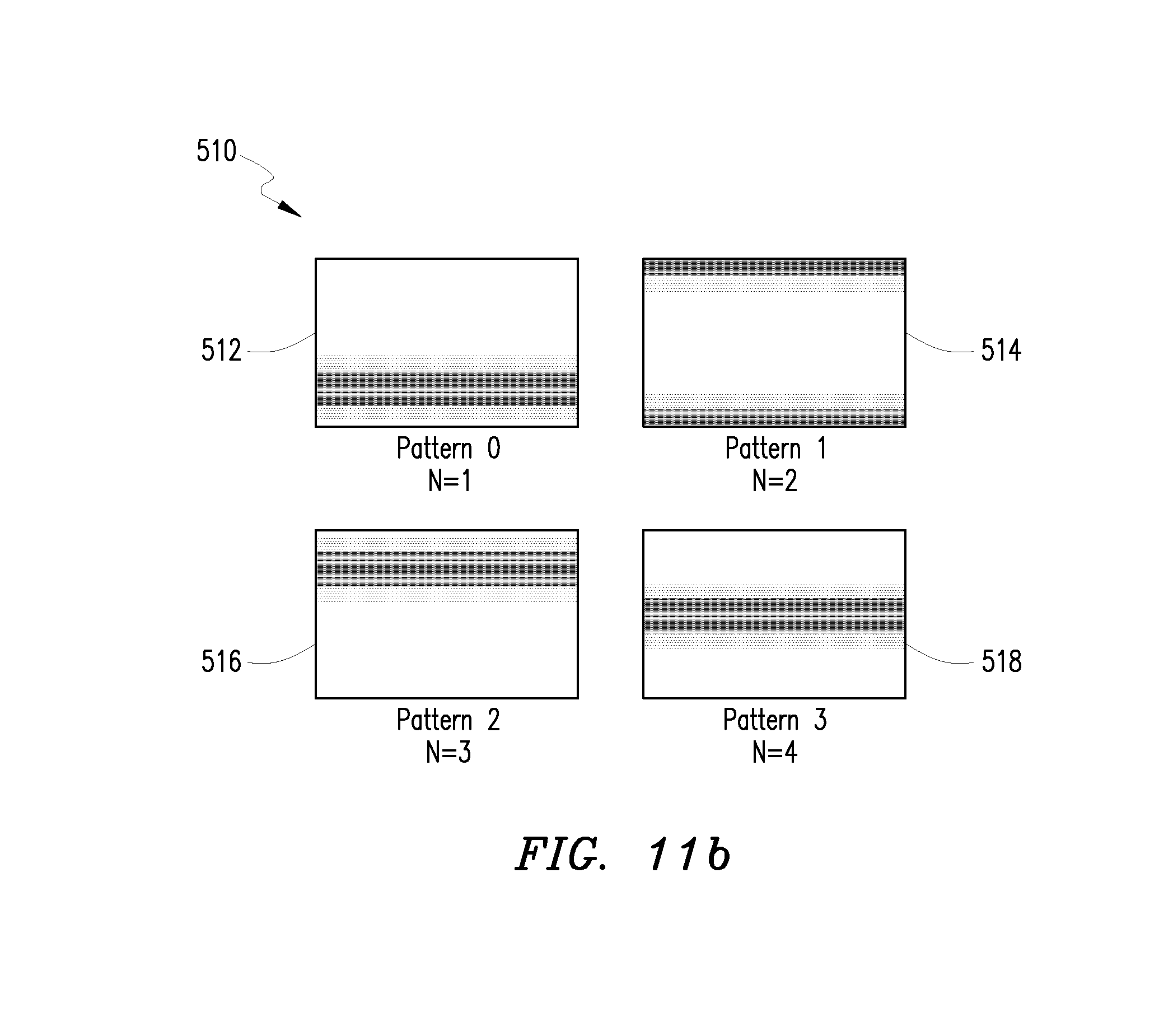
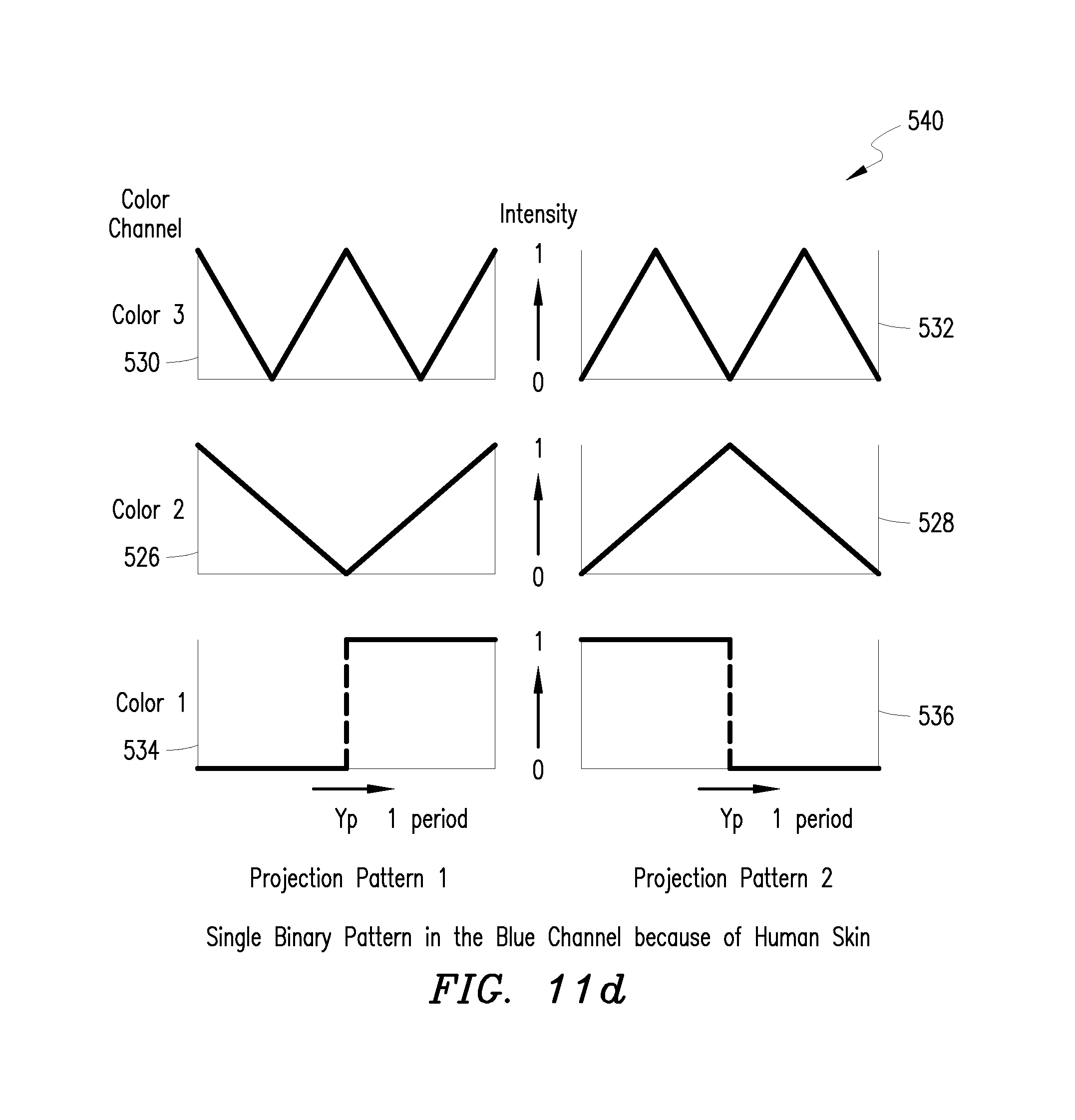
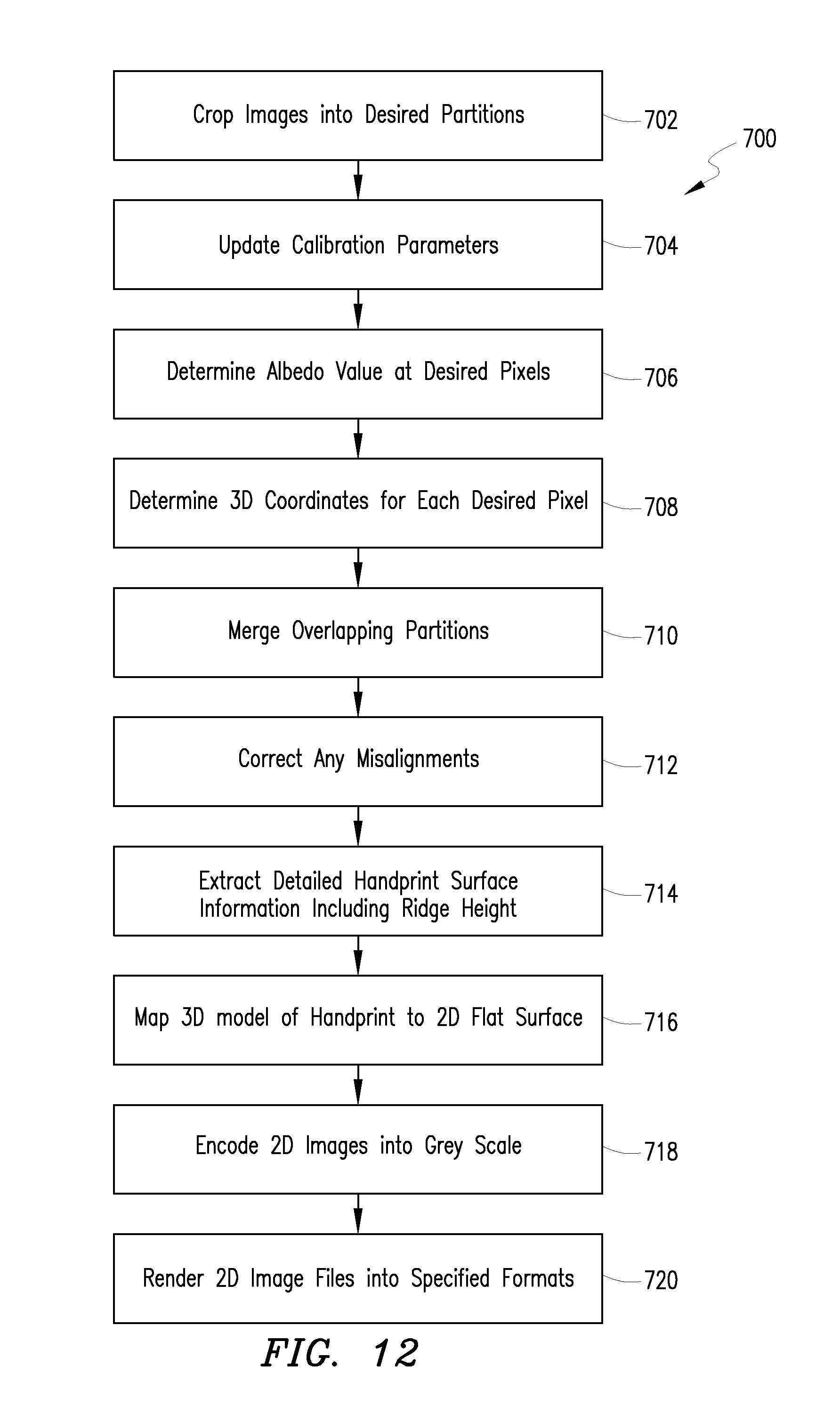
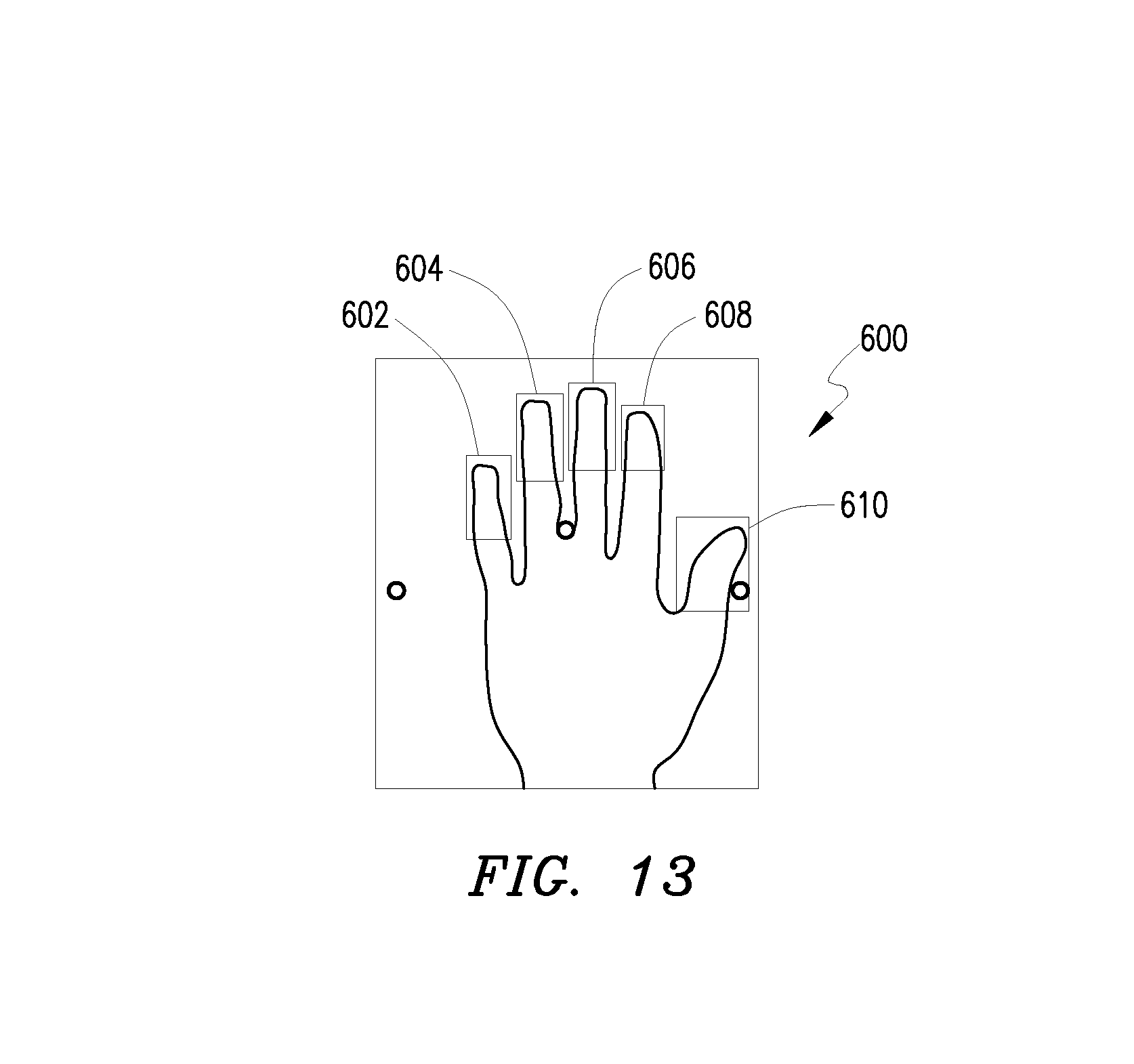
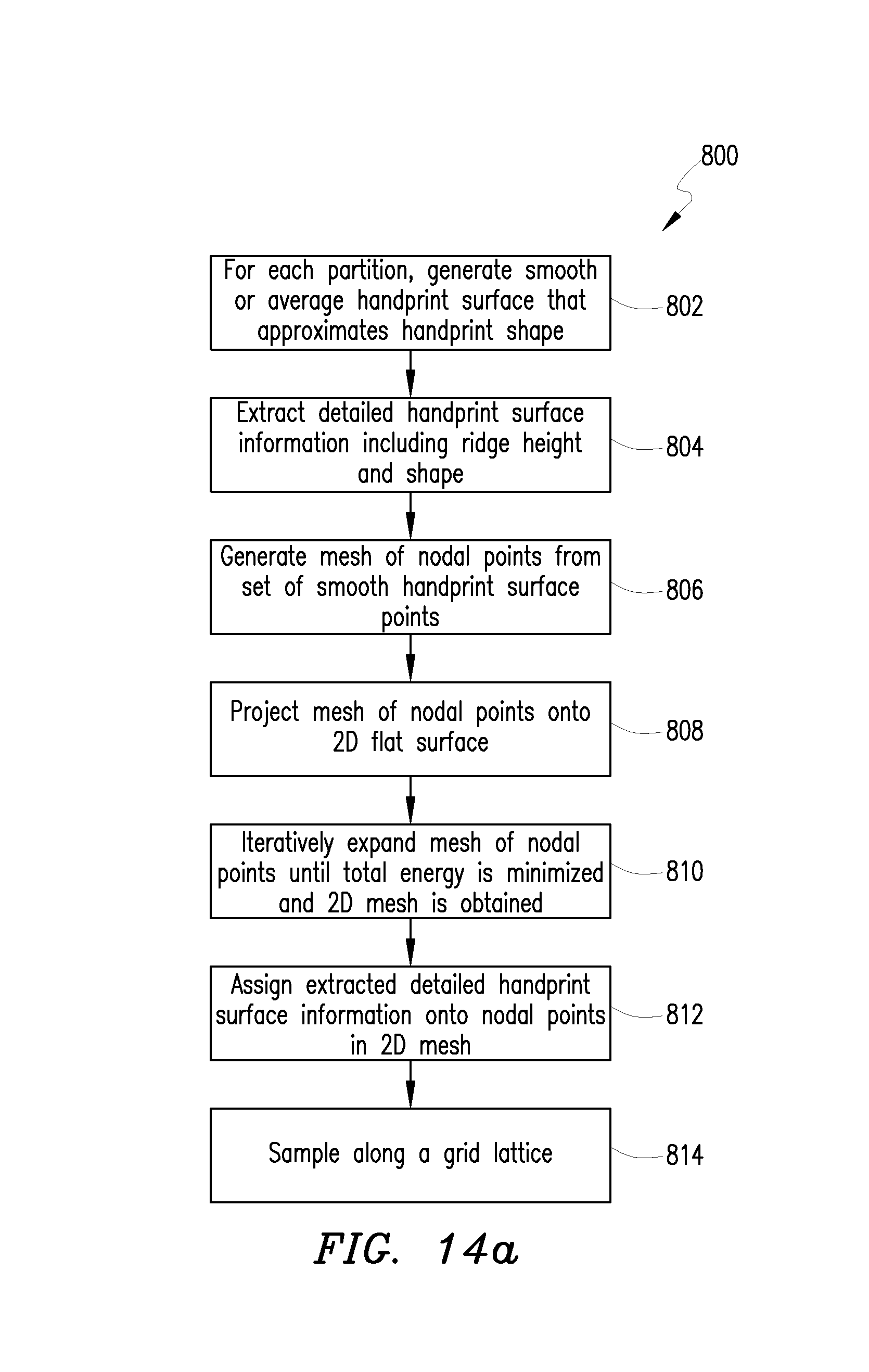
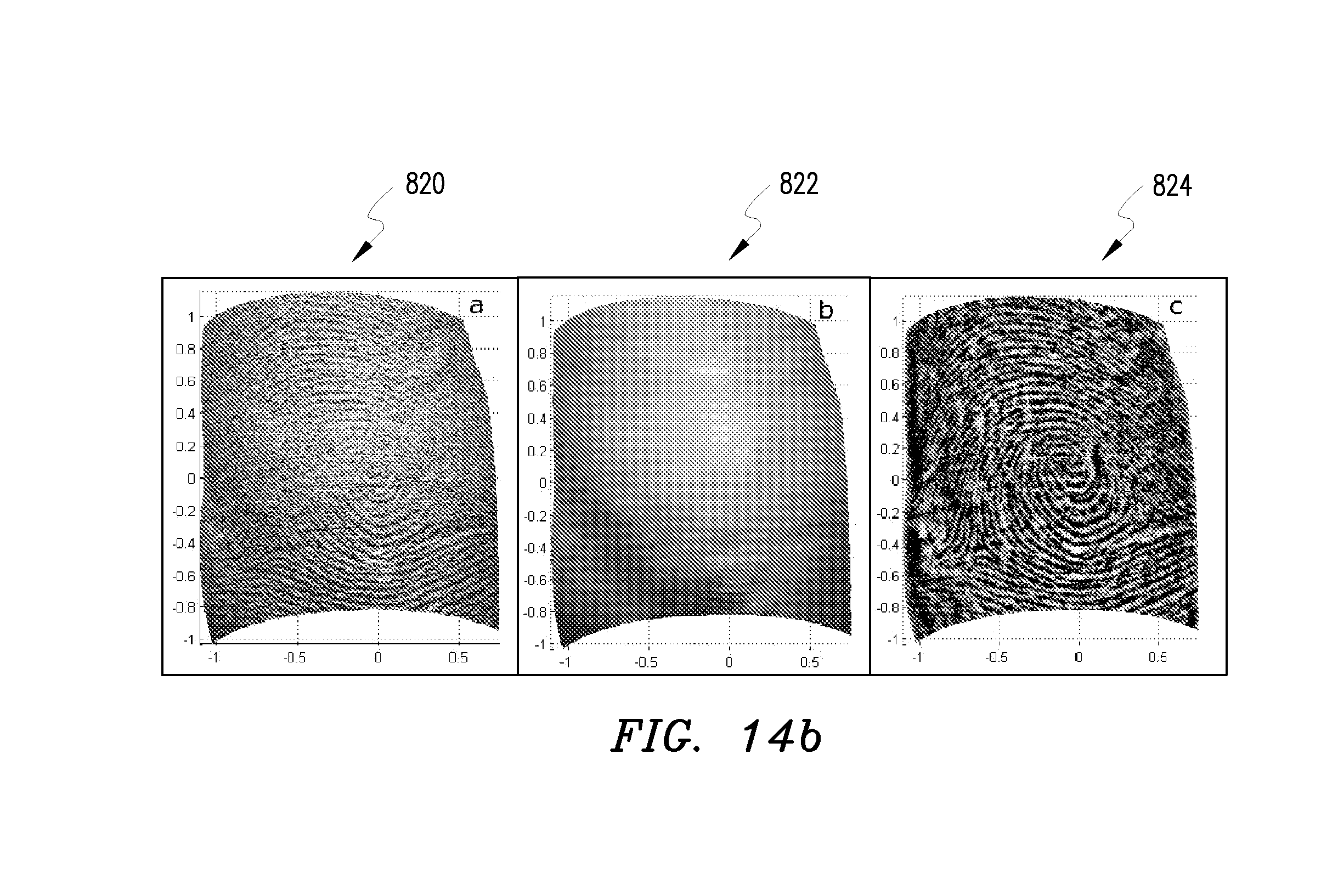
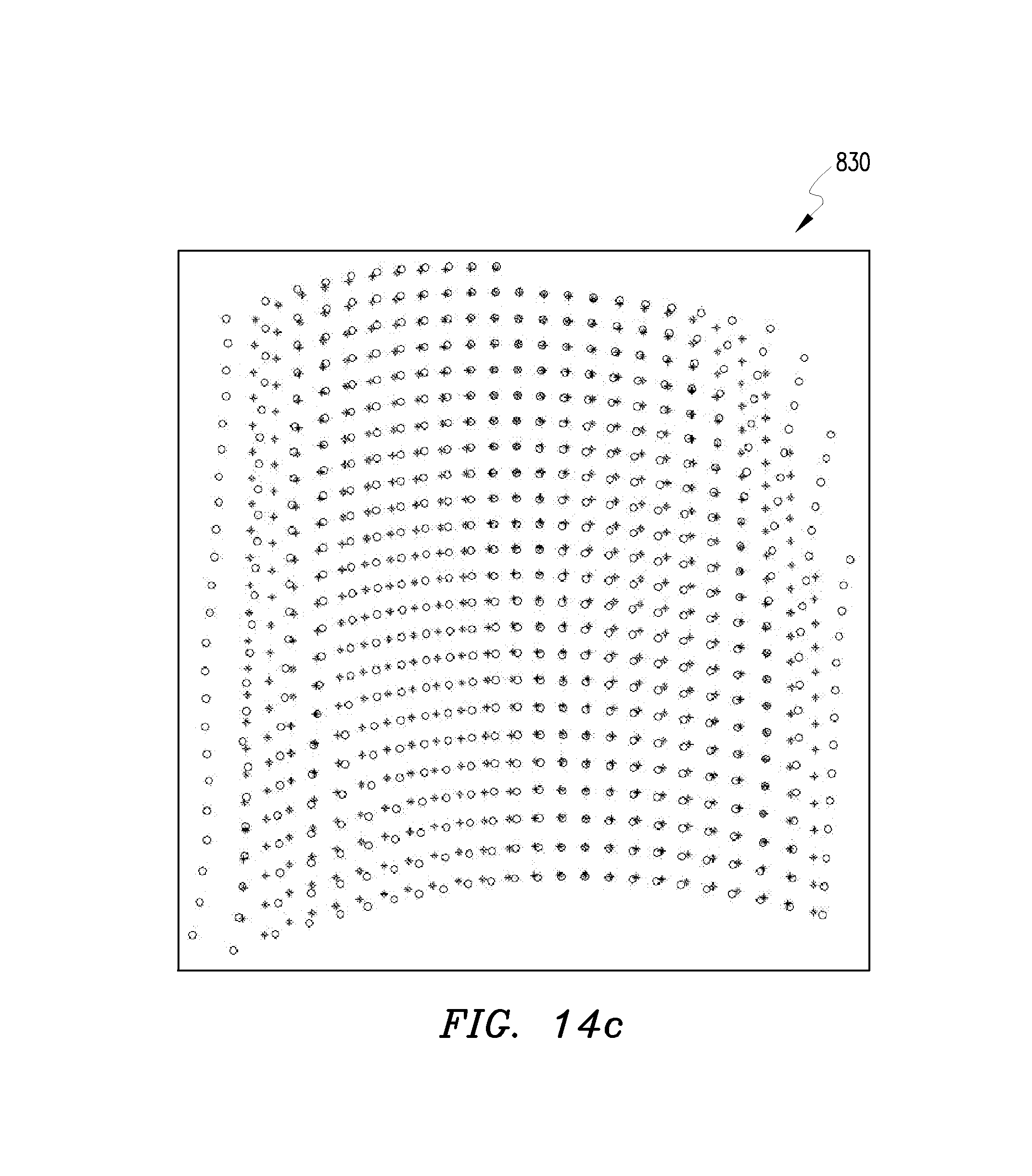
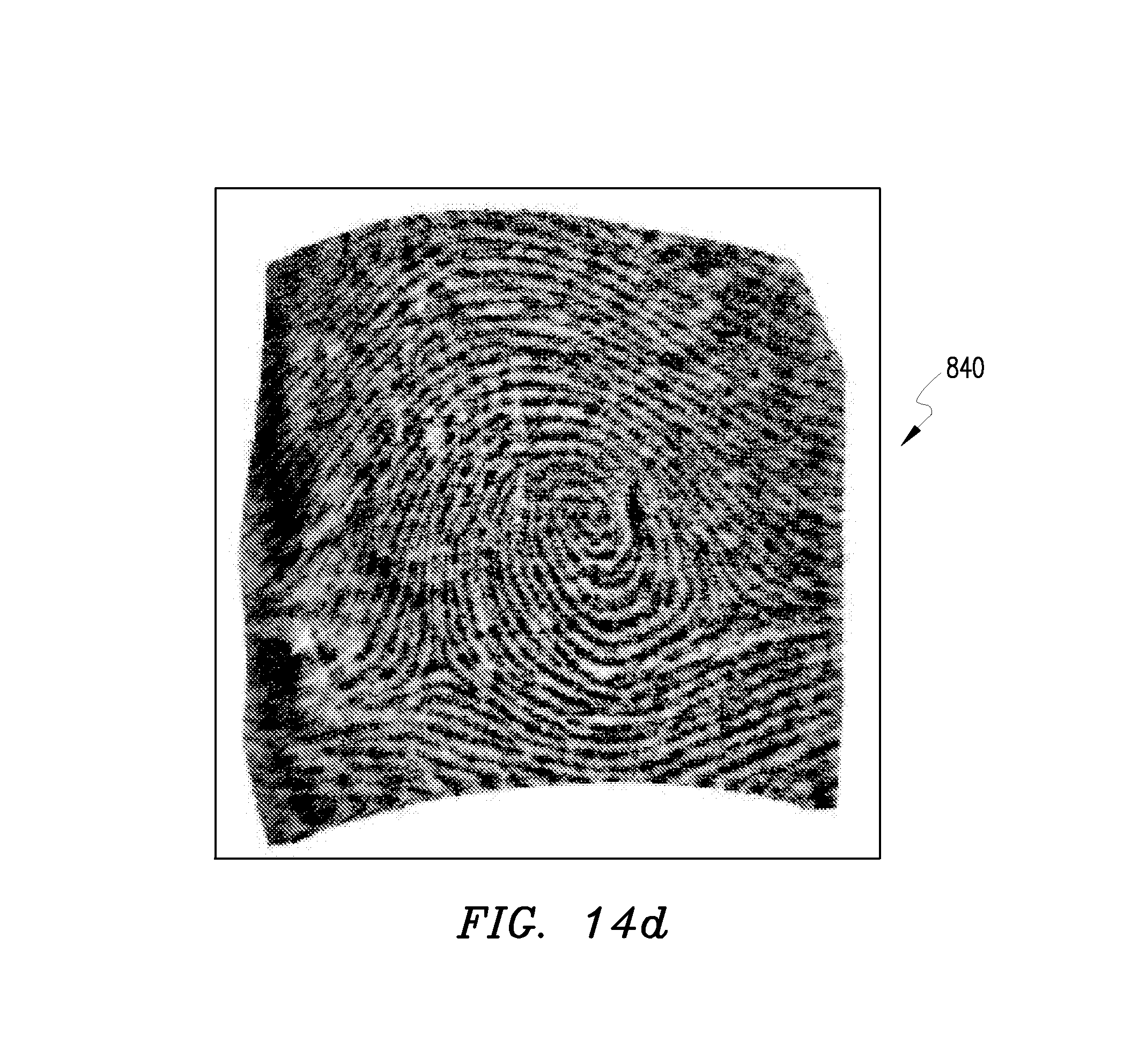
On the processing side, it claims albedo compensation — using white-light reference frames to remove the effect of skin color and ambient lighting from the structured-light signal — along with partitioned processing that handles fingers and palm separately, orthogonal regression planes for smooth surface approximation, and the spring-based mesh-unwrapping algorithm that converts the 3D scan into the 2D rolled-equivalent format that existing fingerprint databases require.
Figures