System and method for 3D imaging using structured light illumination
Summary
Rolled-ink fingerprinting has barely changed in a century. A trained technician inks each finger and rolls it across paper, then rolls it again if the print smudges. The process is slow, messy, and unreliable — worn ridges, dry skin, sweat, or a nervous subject can all ruin the result, and a full ten-print can take several minutes.
The natural alternative is to capture the fingerprint optically, without ink. But the friction ridges sit on a curved finger, and the law-enforcement databases that the prints must feed into were built around flat, rolled images. A simple 2D photograph of a finger doesn’t match the format of any existing record.
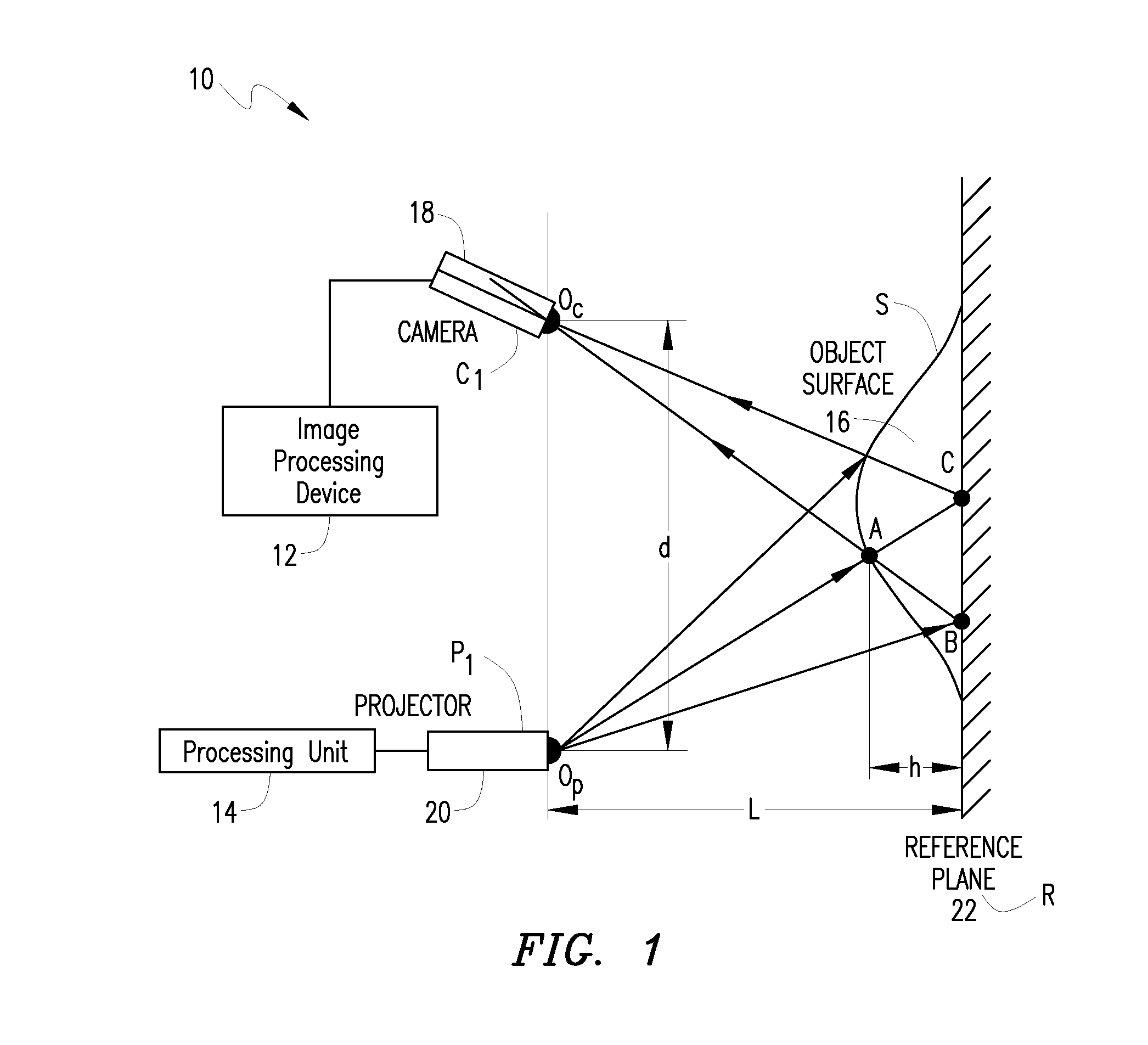
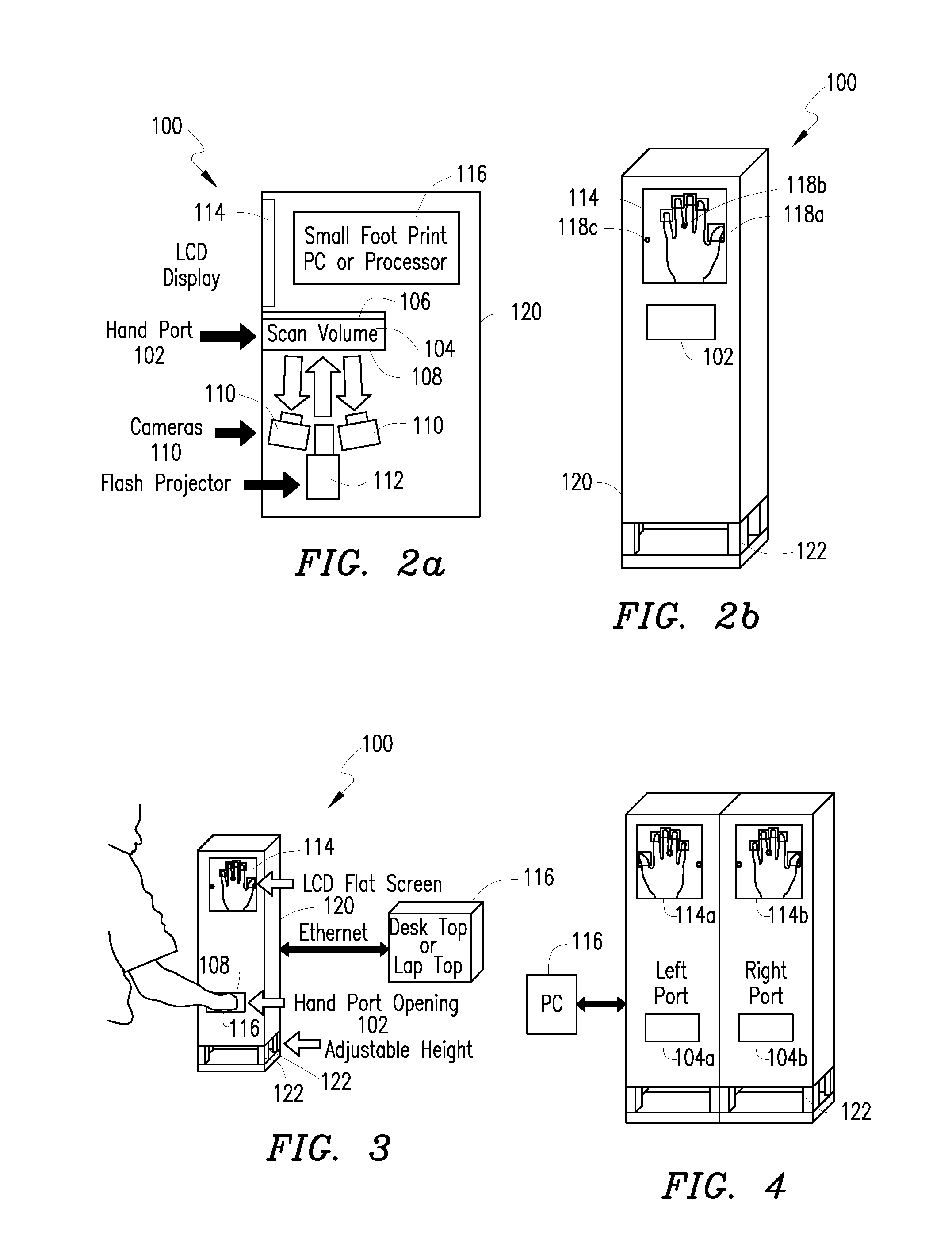
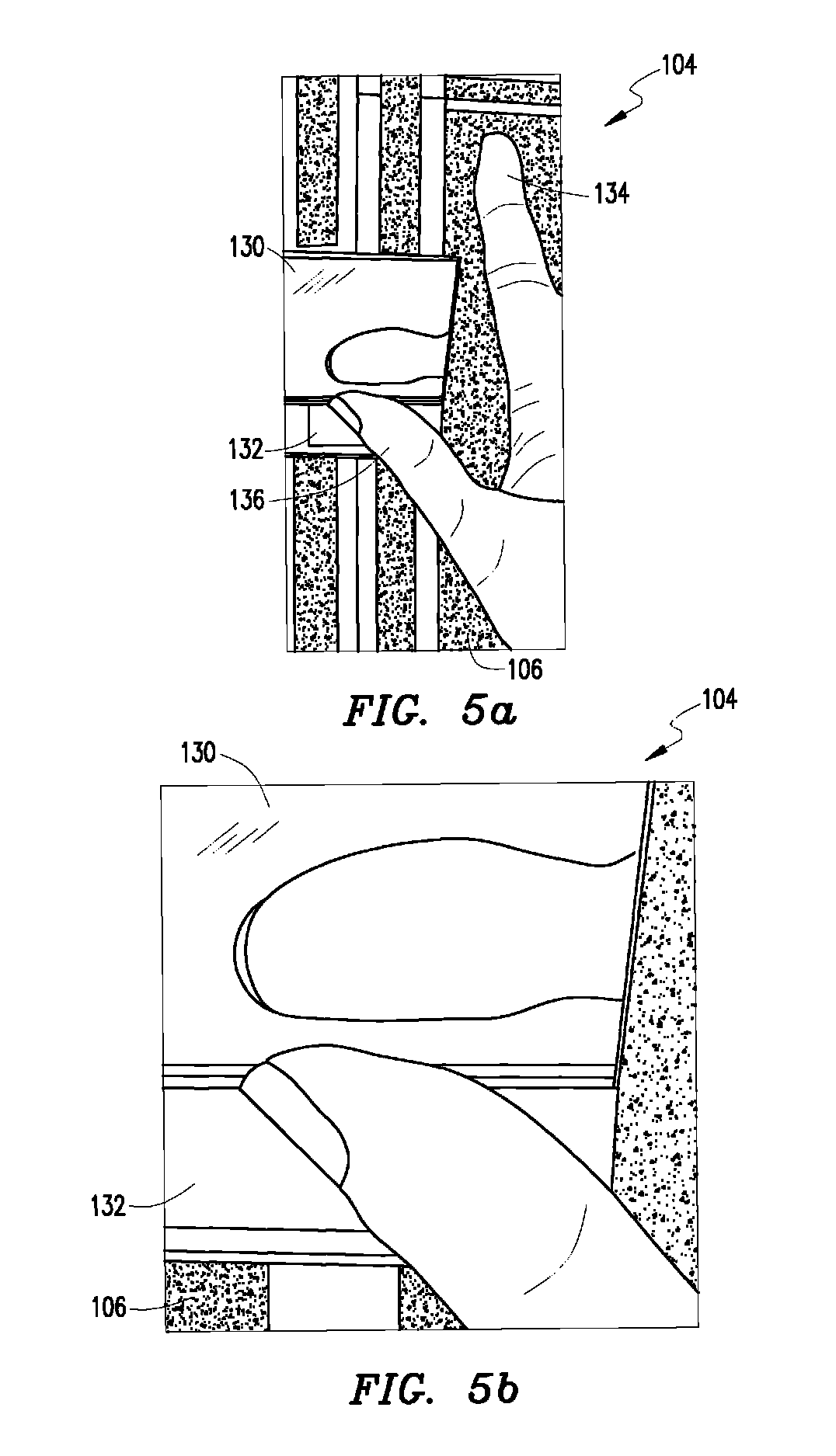
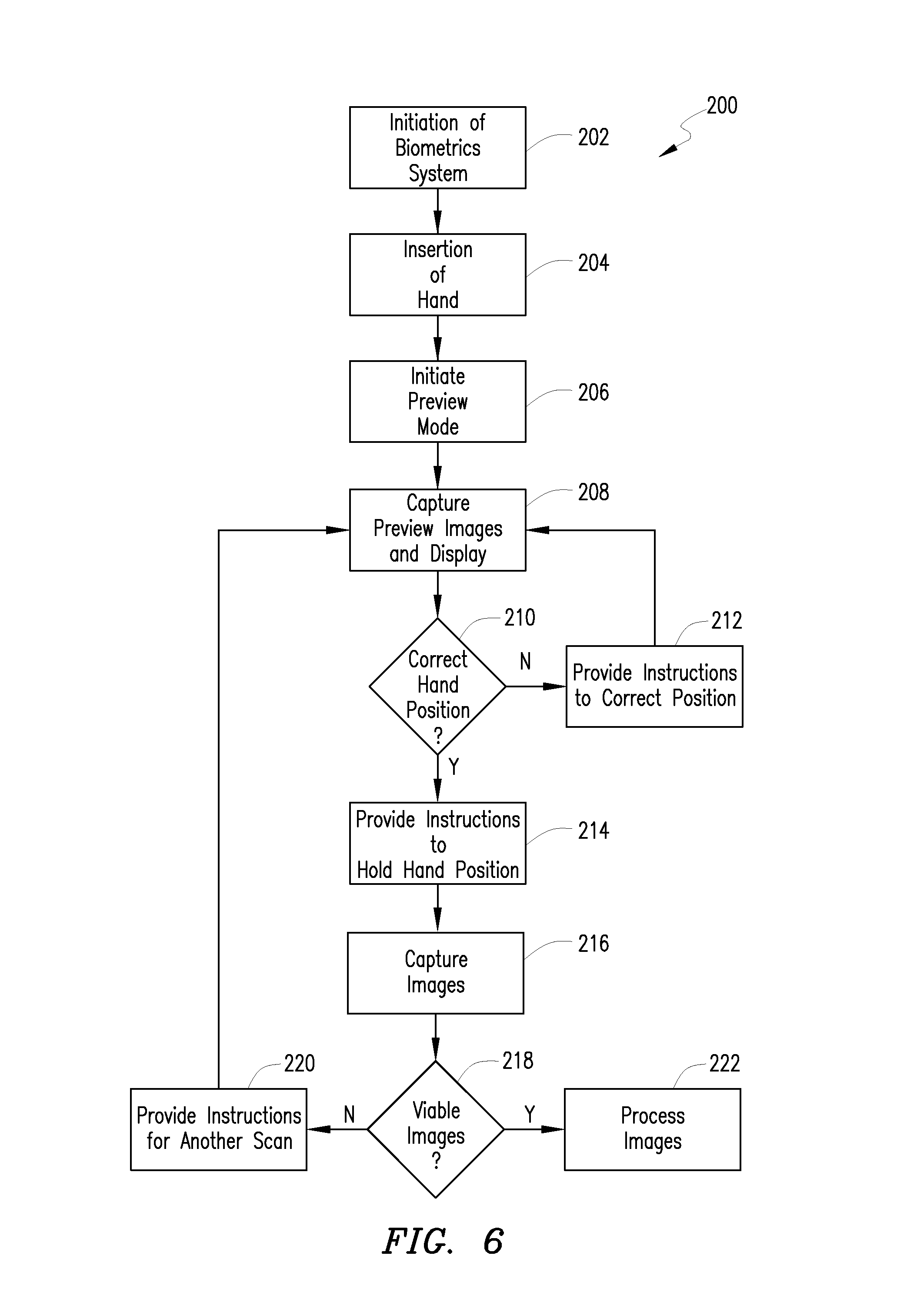
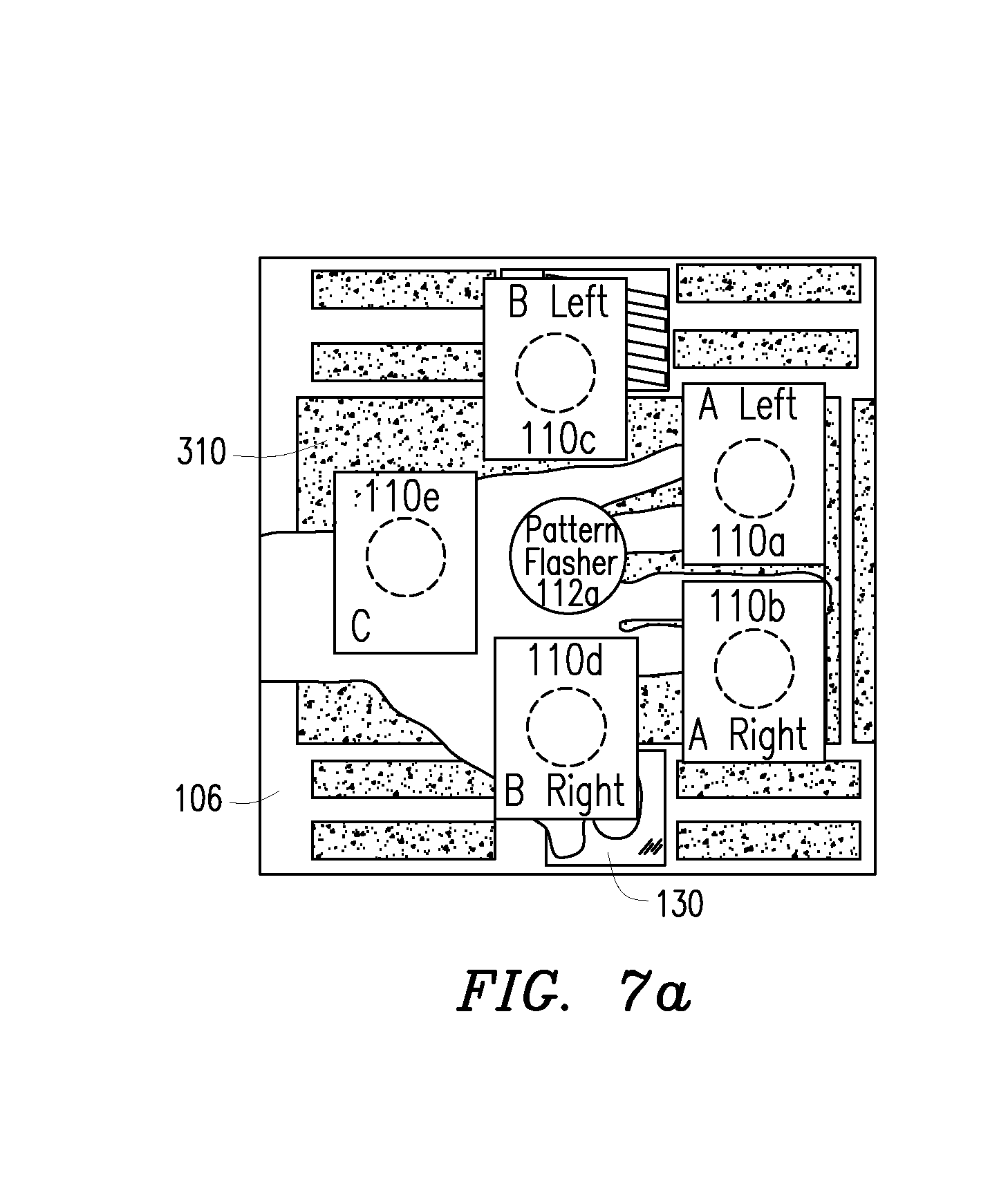
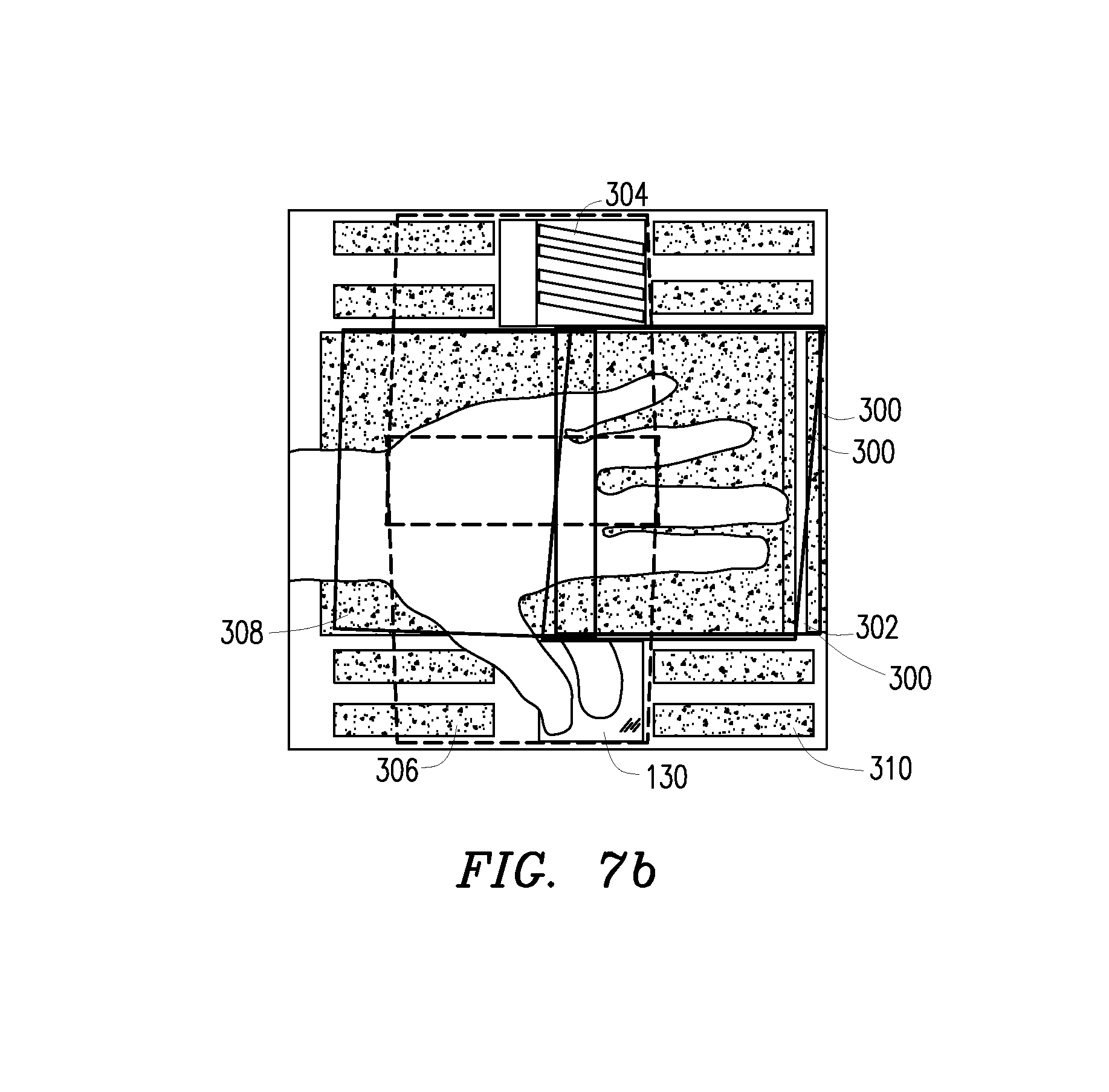
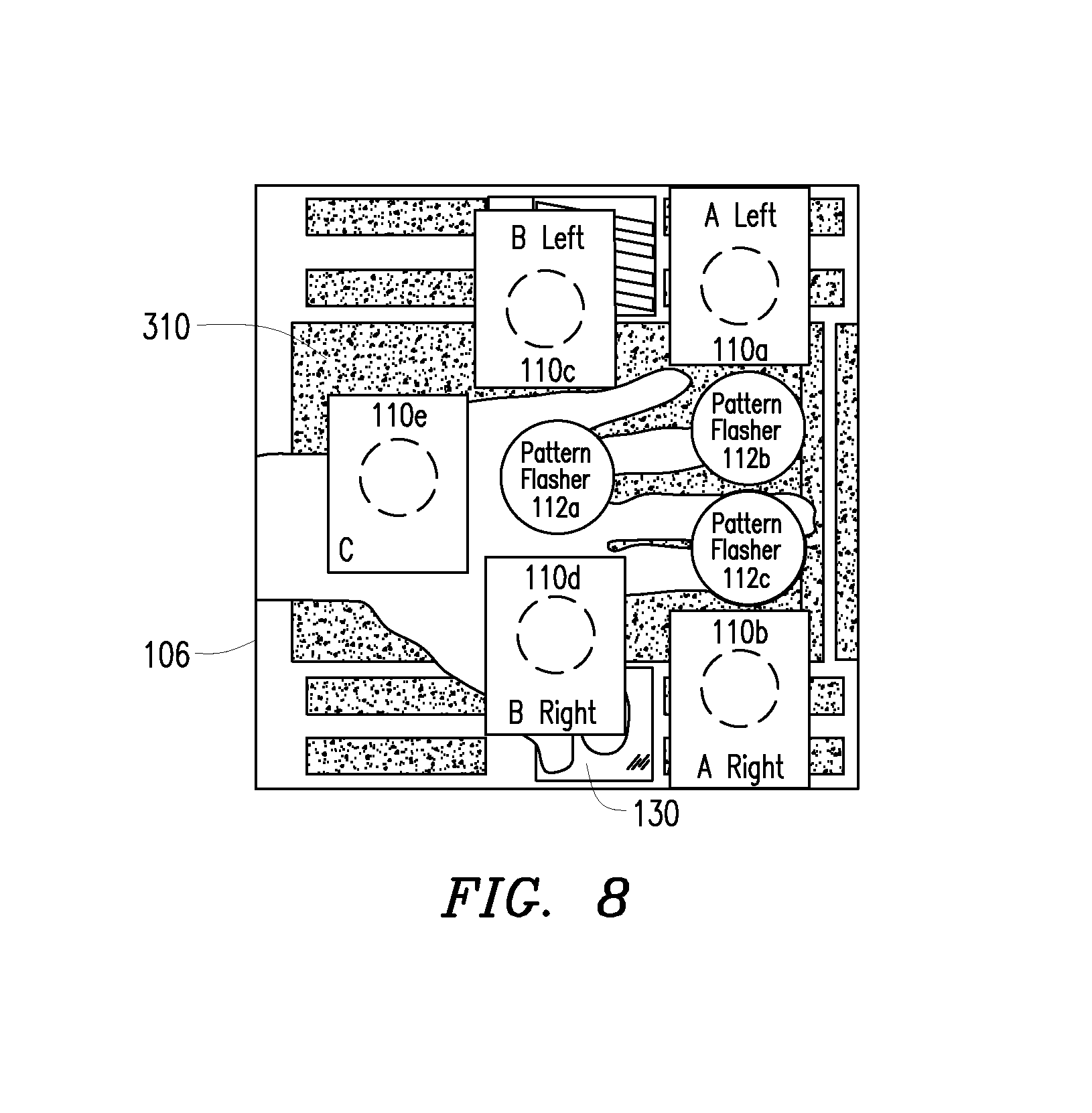
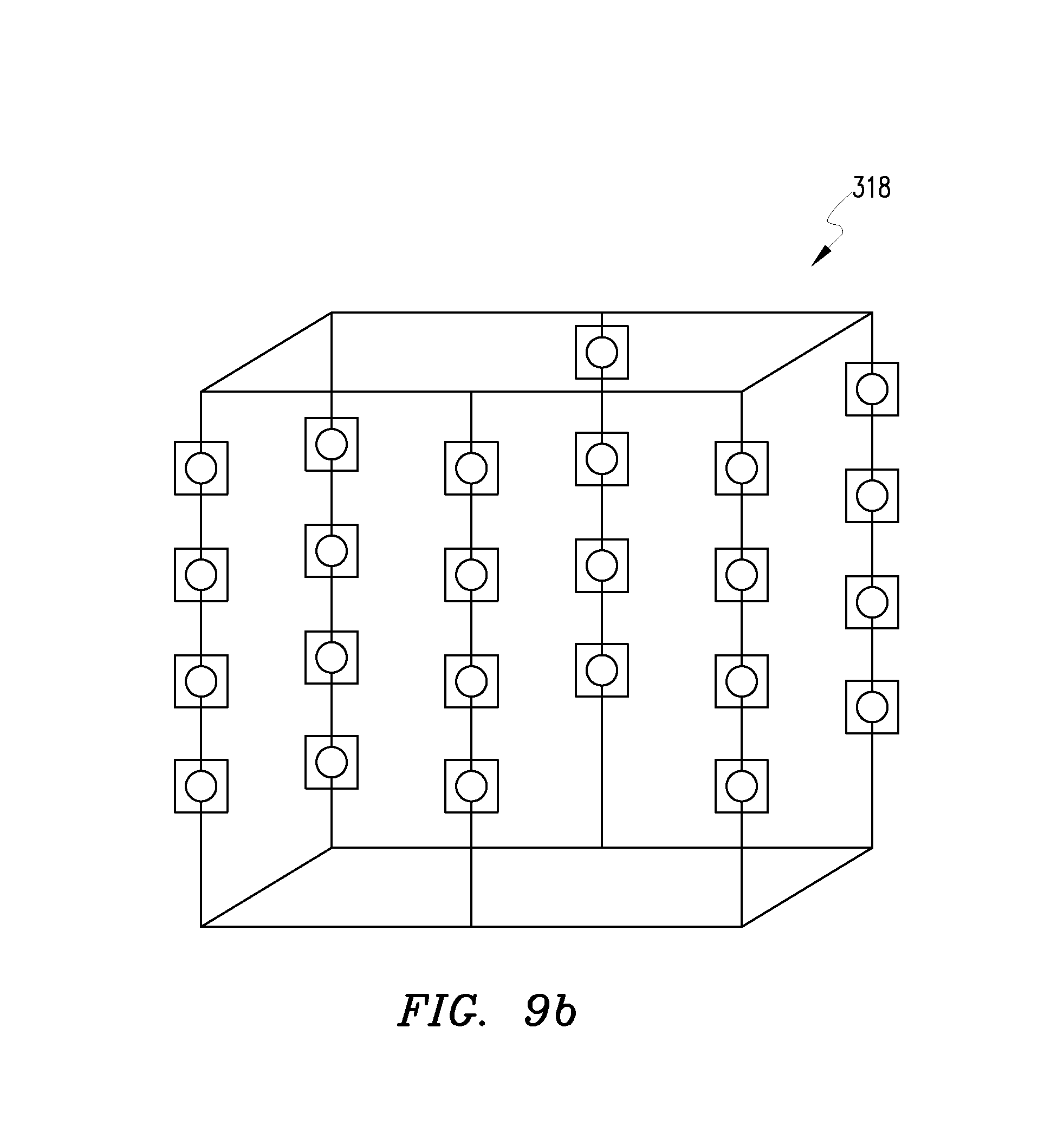
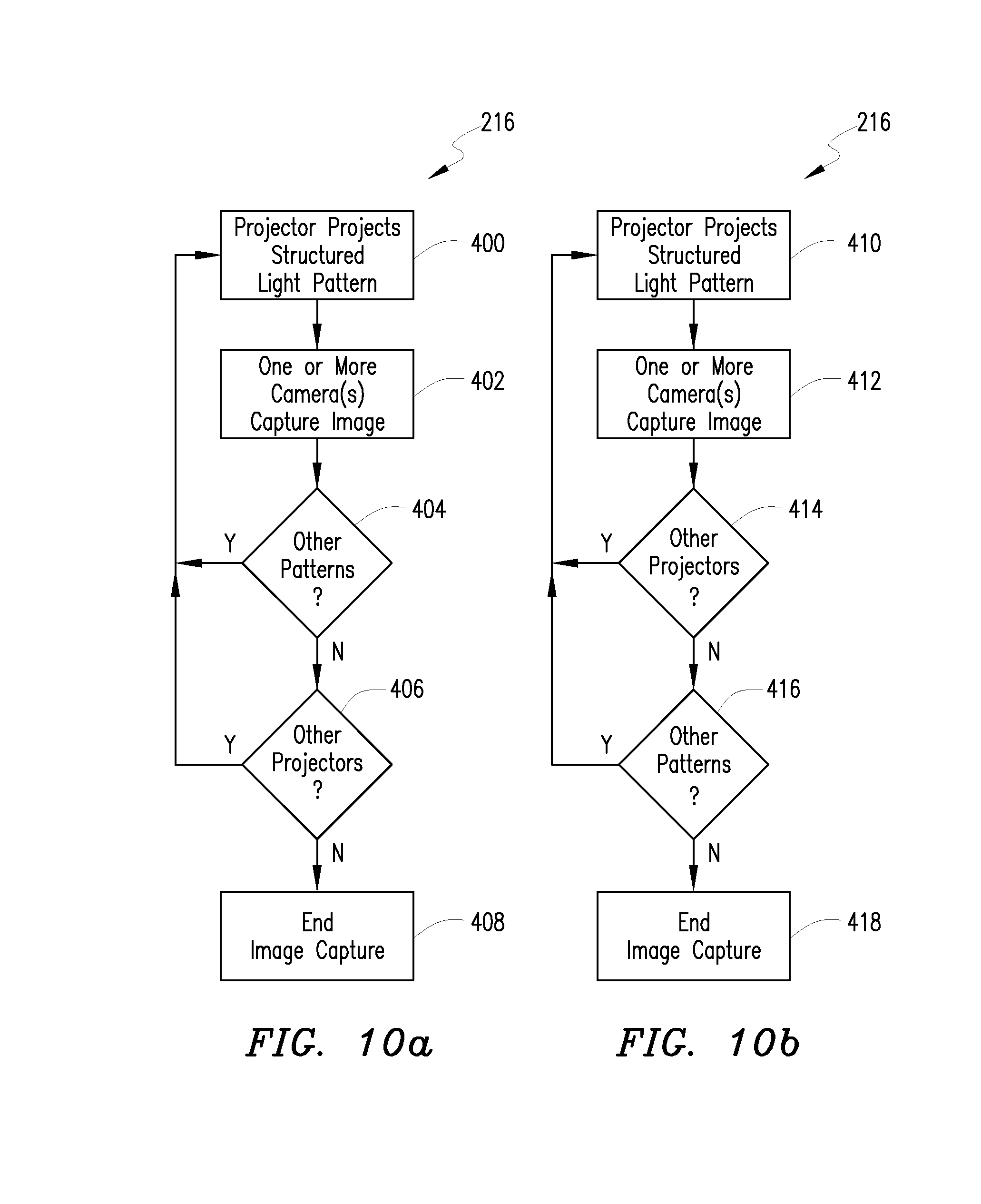
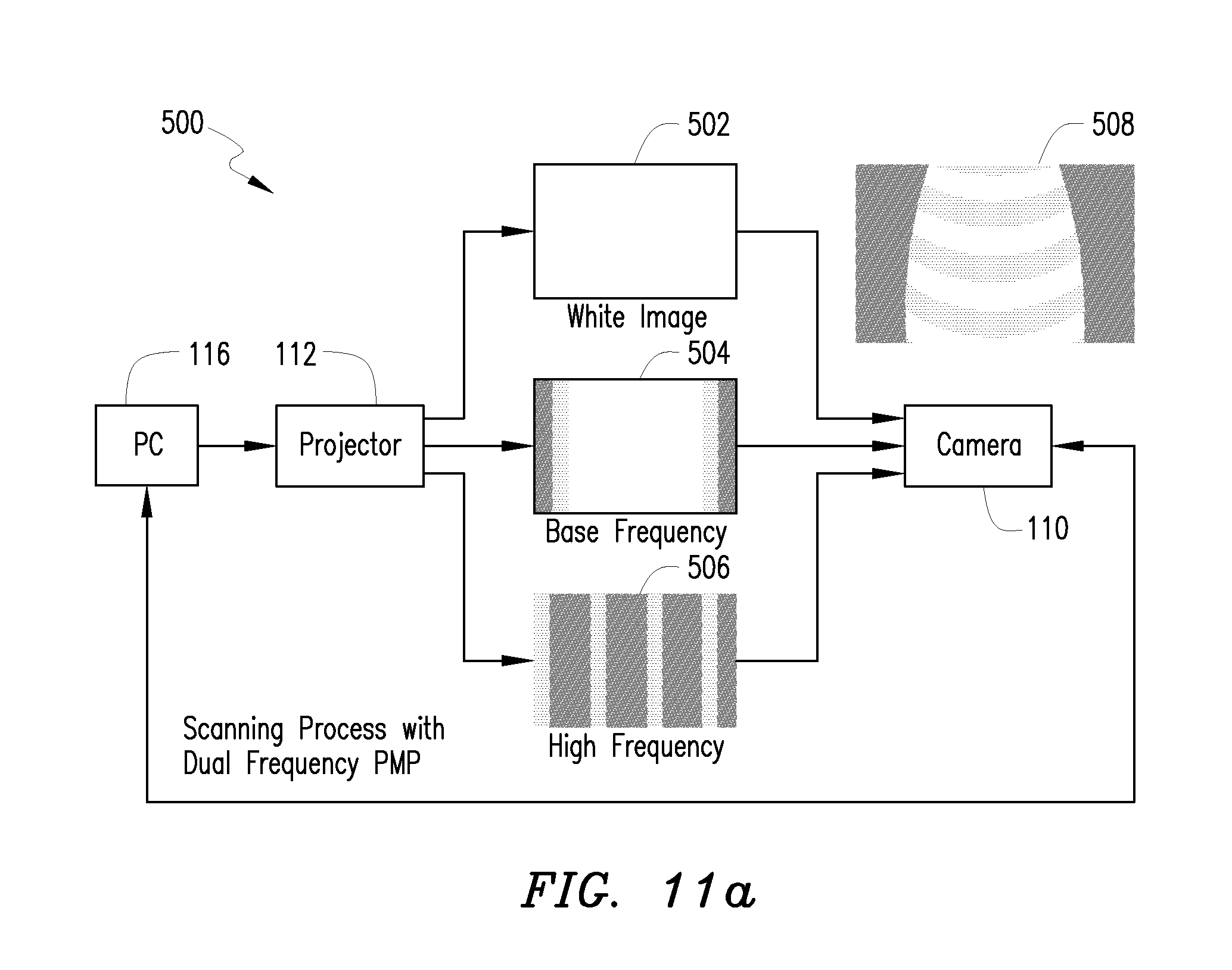
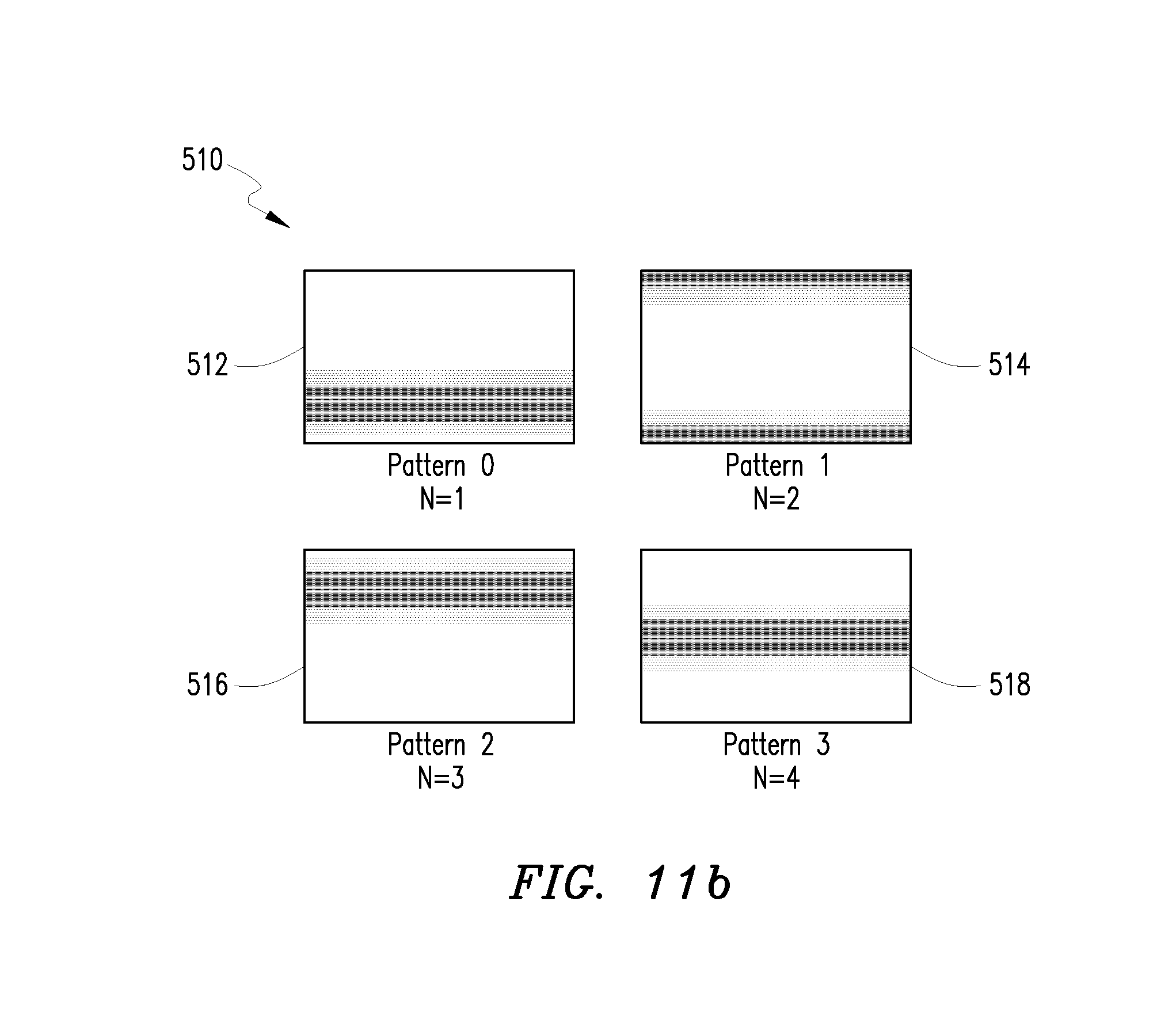
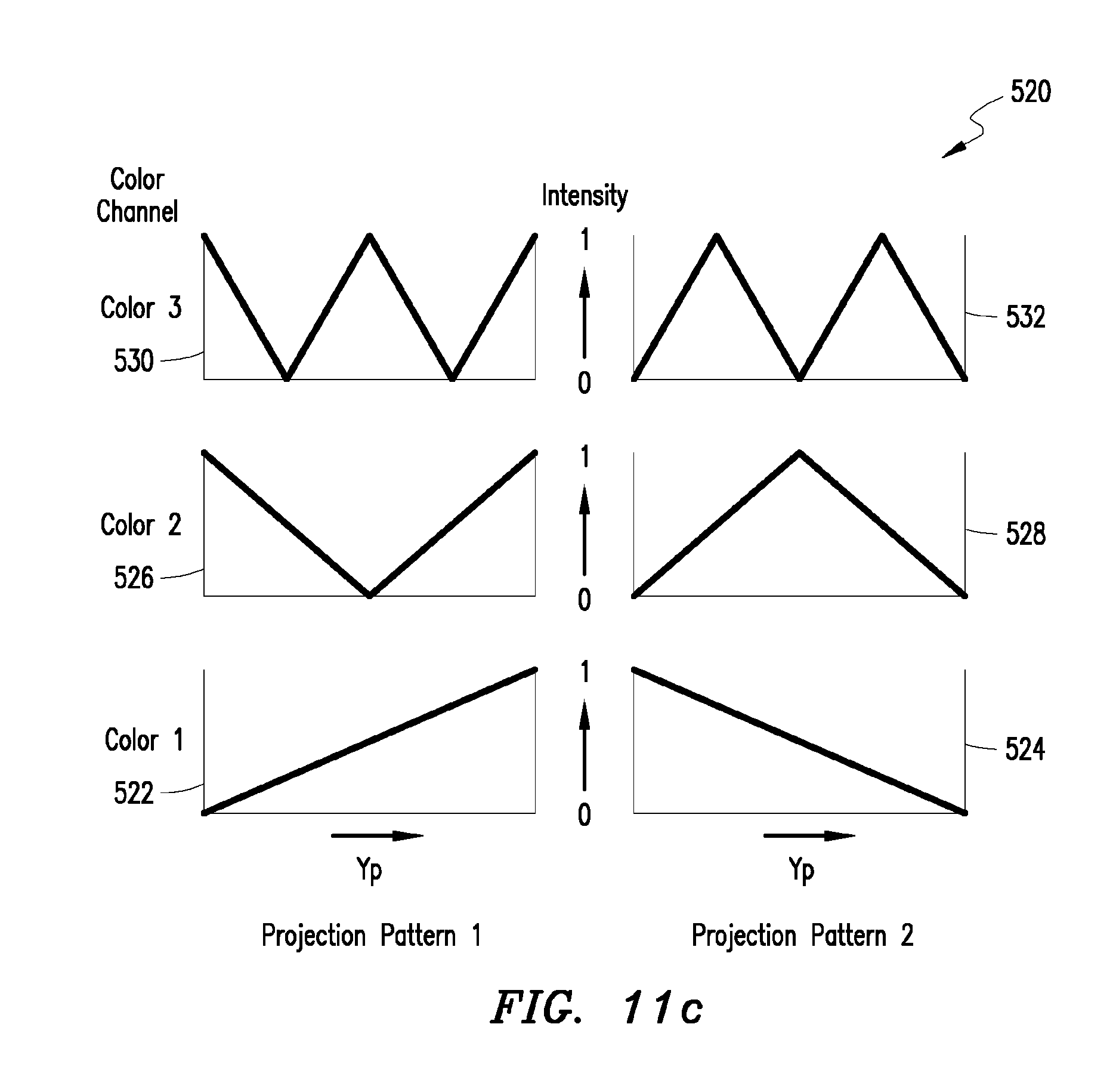
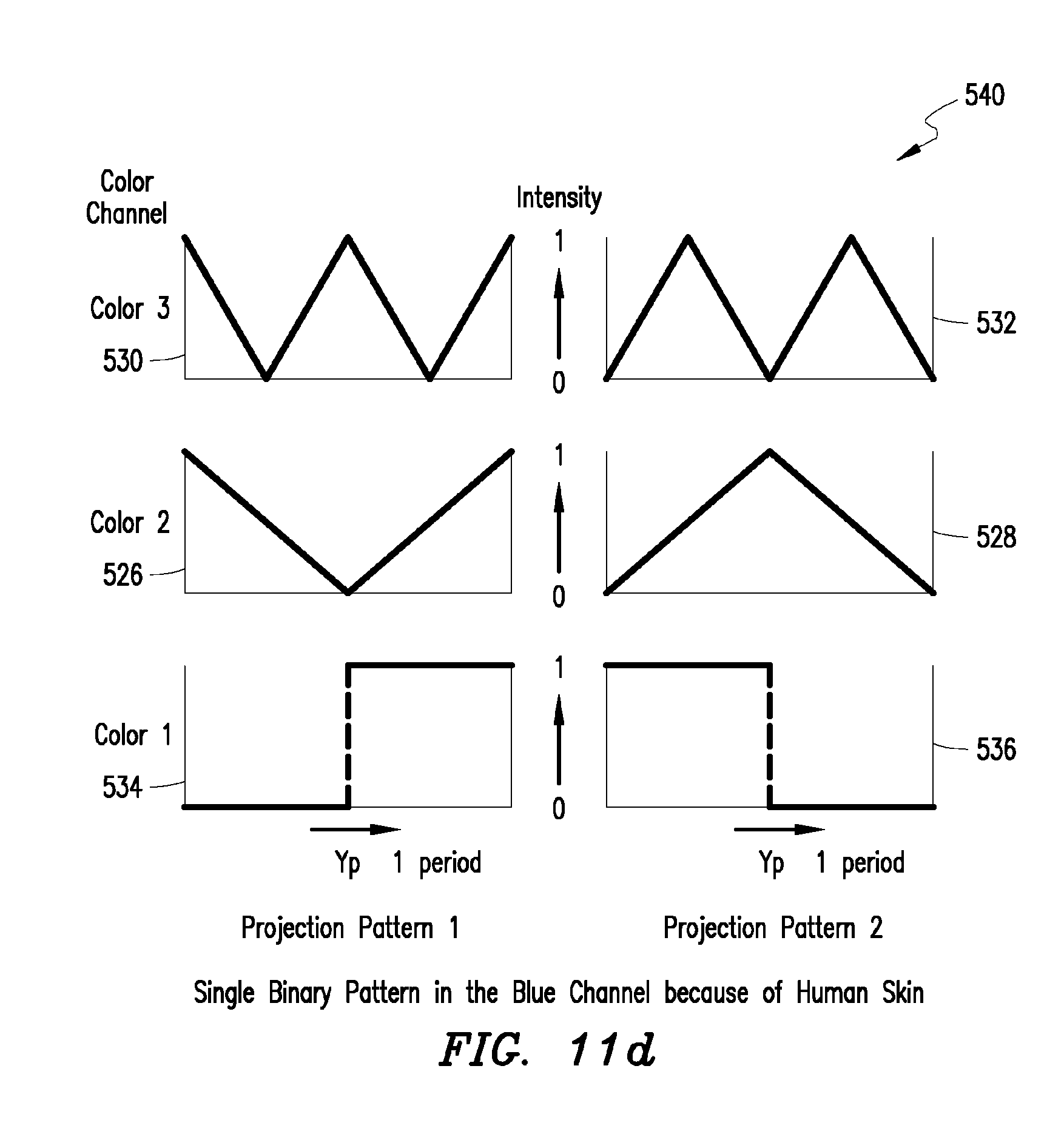
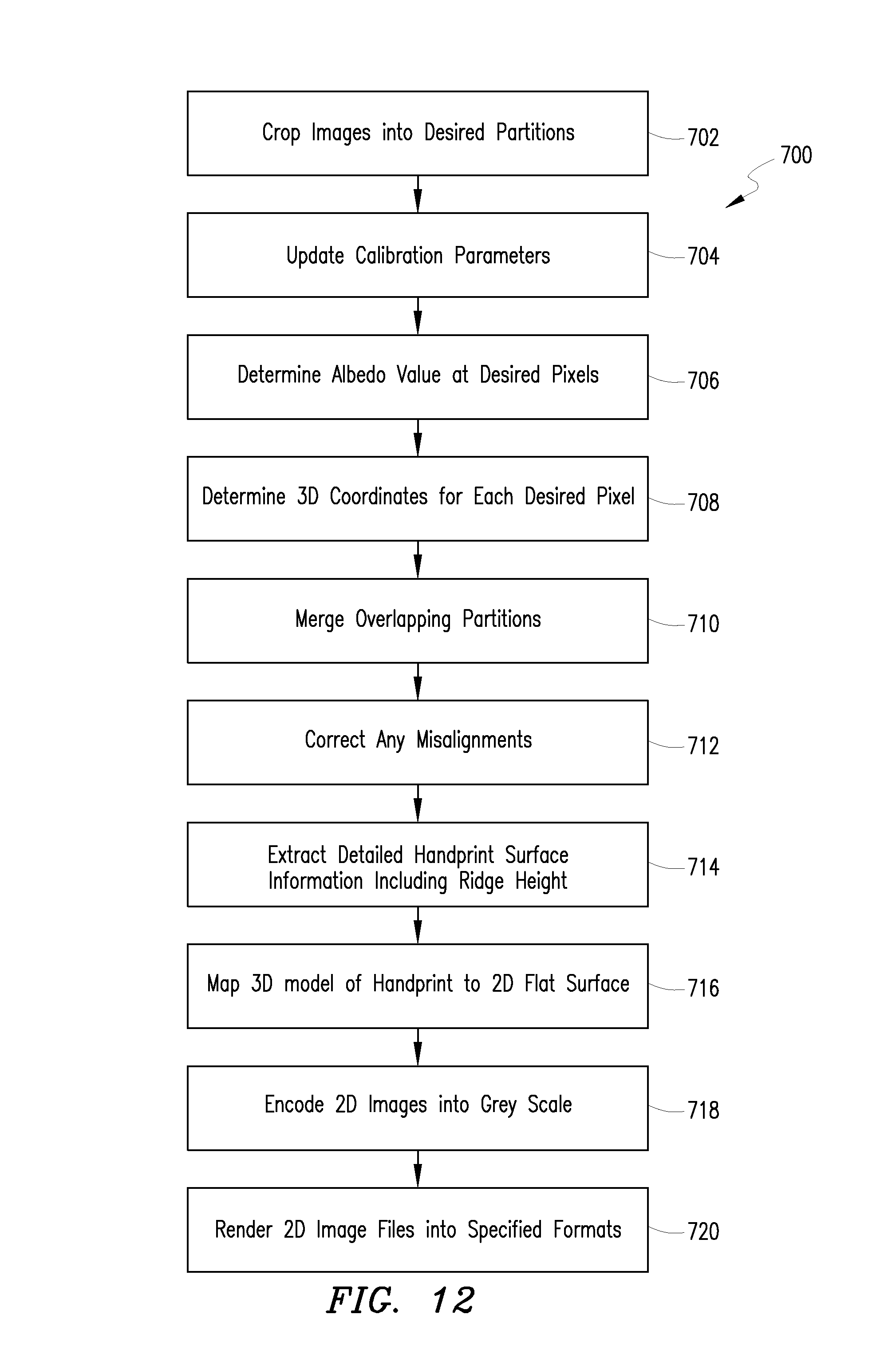
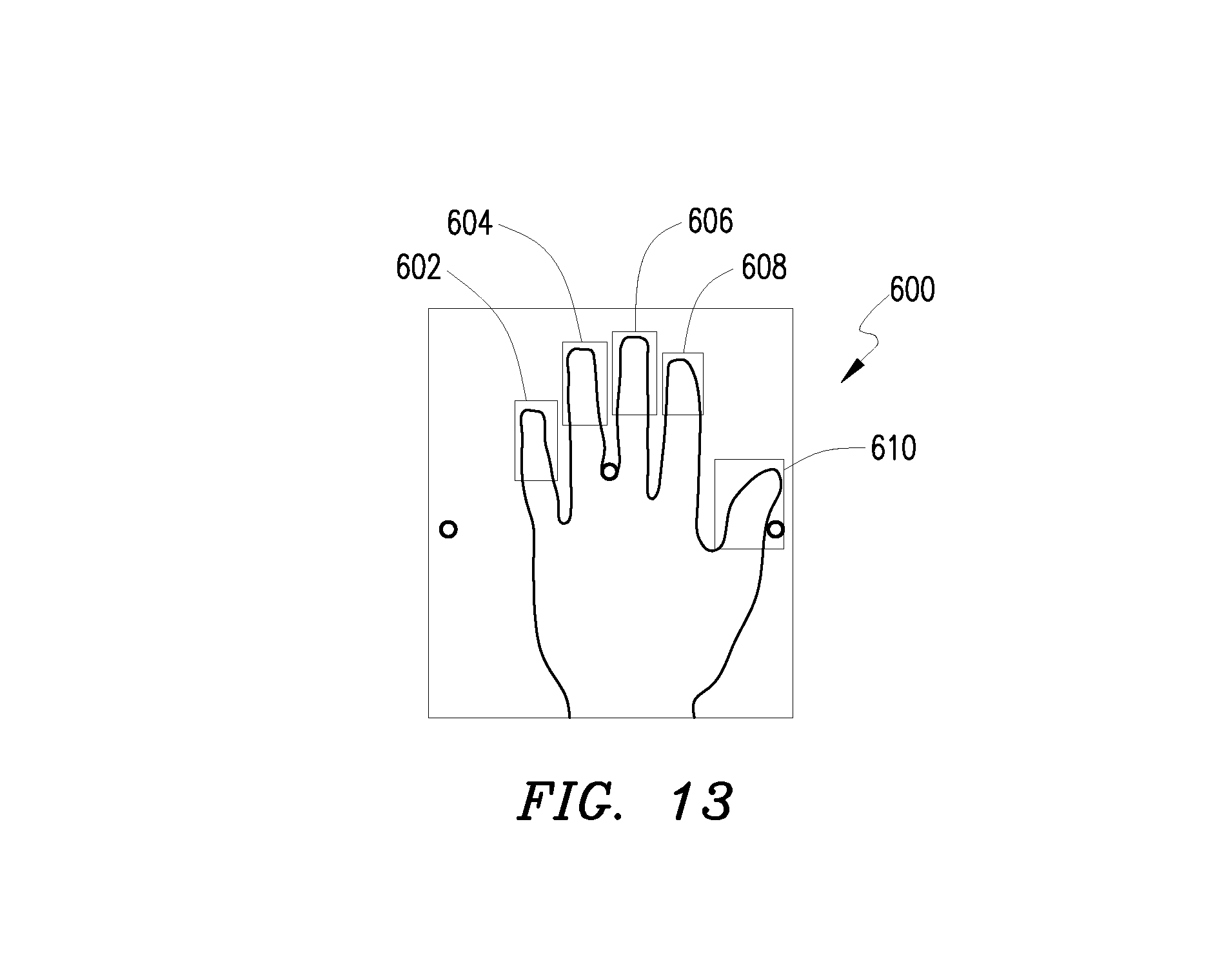
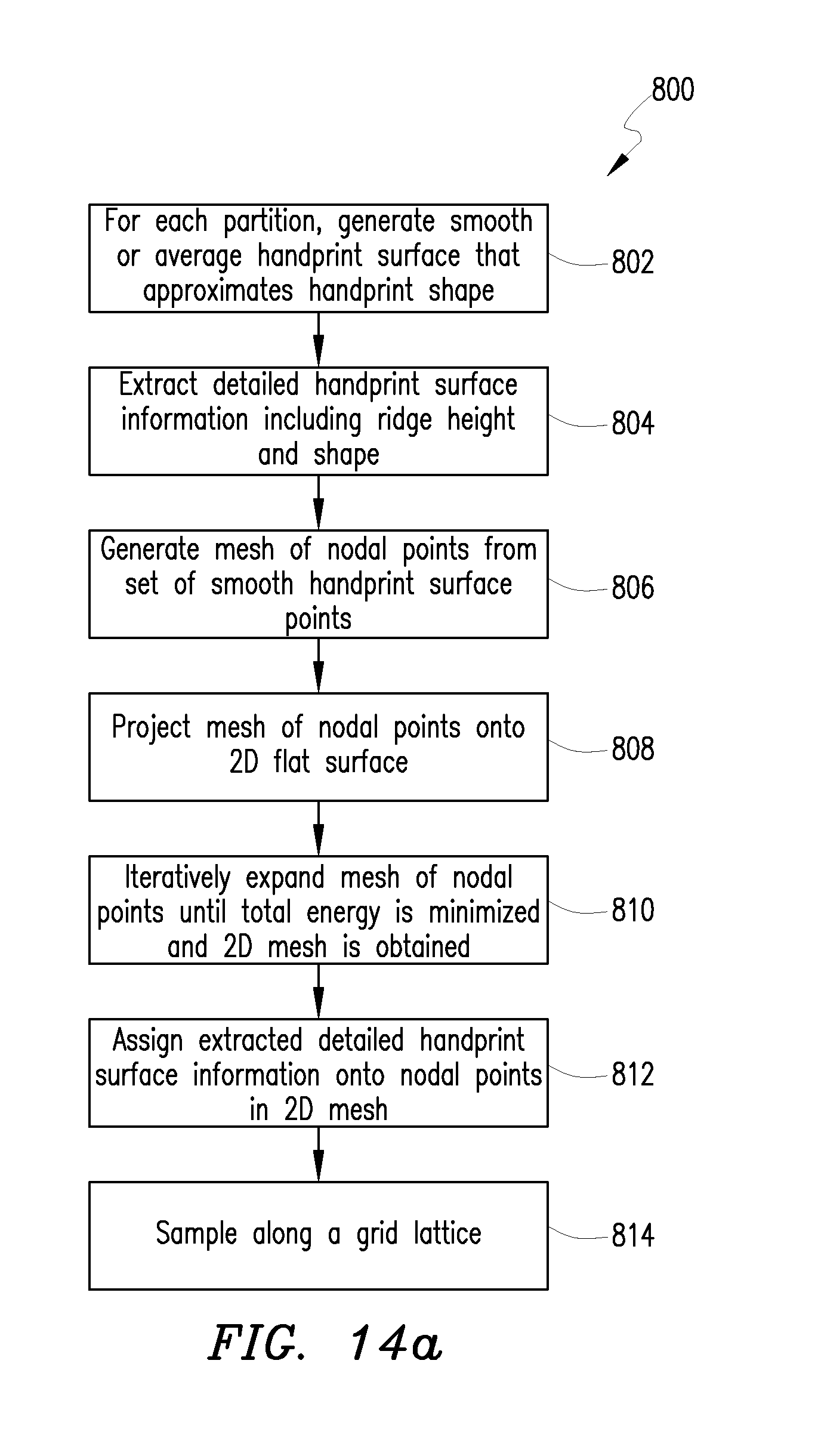
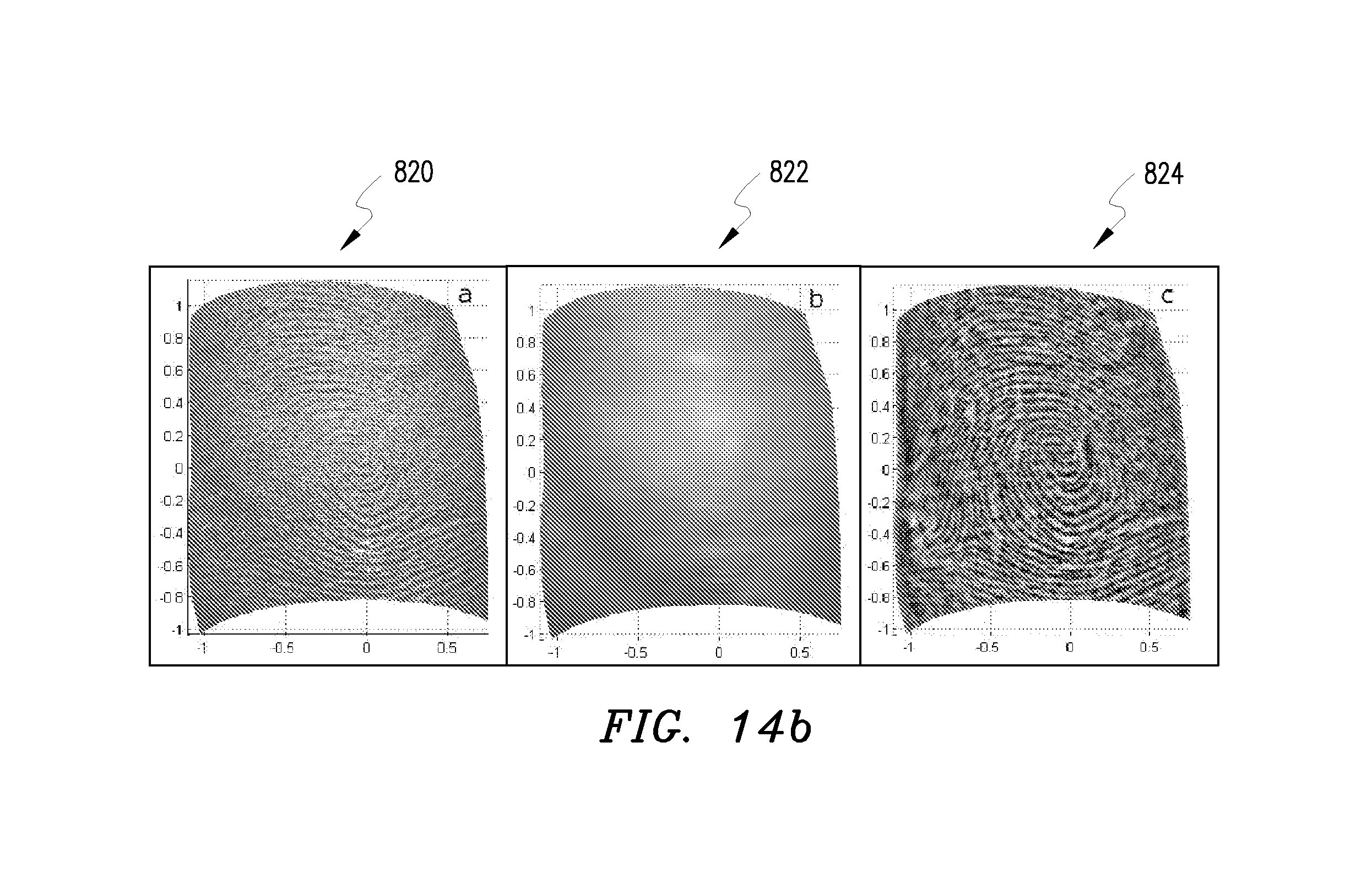
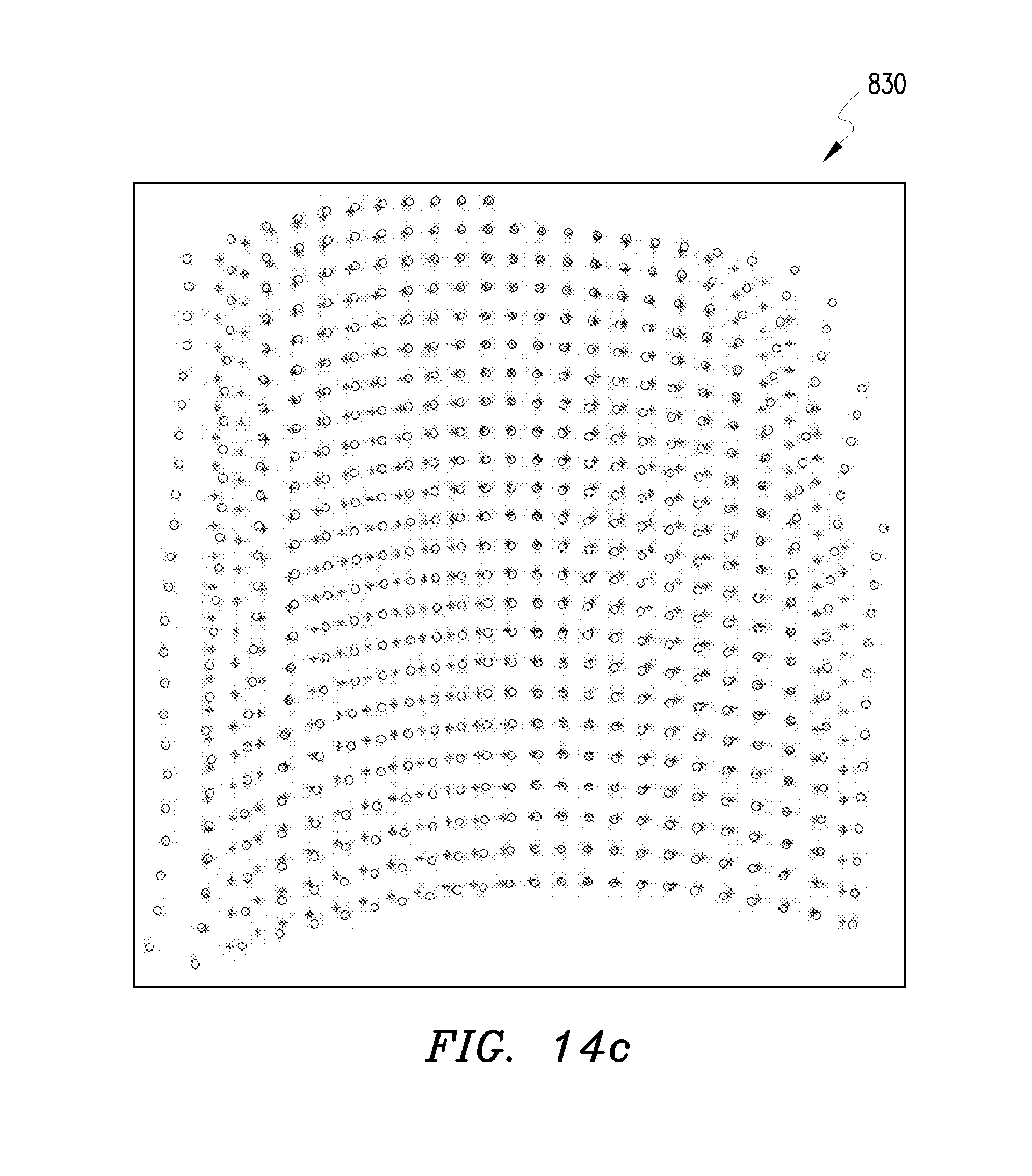
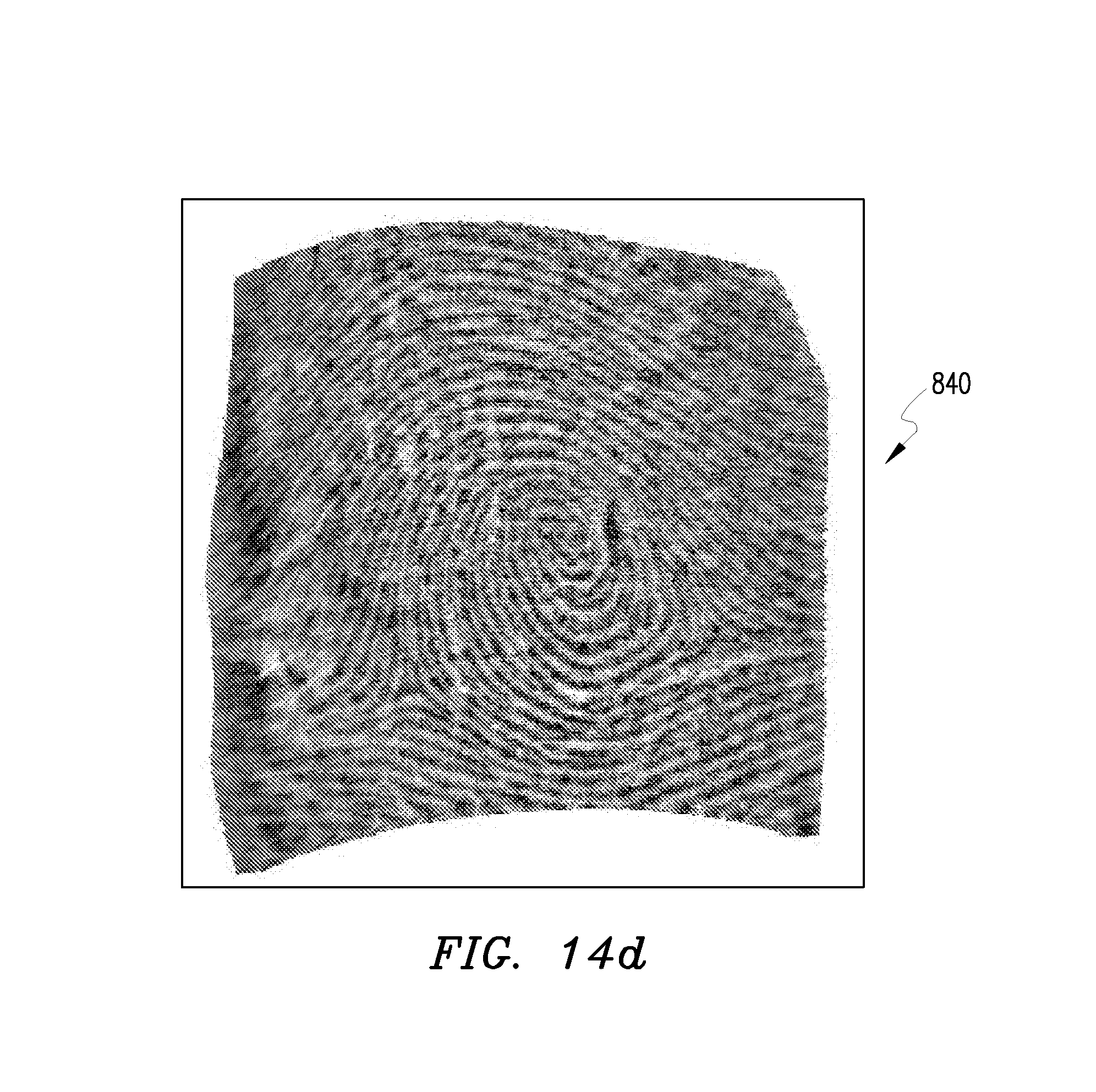
This patent describes a contactless 3D capture booth for hands and fingers. Structured- light patterns are projected onto the hand from multiple angles, cameras record how the patterns deform across the skin, and the system reconstructs a full 3D model of the hand — ridges and all. The 3D surface is then mathematically “unrolled” into a flat image that matches the format of inked rolled prints, so the result drops straight into existing databases. Capture takes seconds, leaves no ink, and works on translucent and shiny skin alike — opening contactless biometrics for border control, law enforcement, and rapid background screening.
Figures