Product alignment using a printed relief
Summary
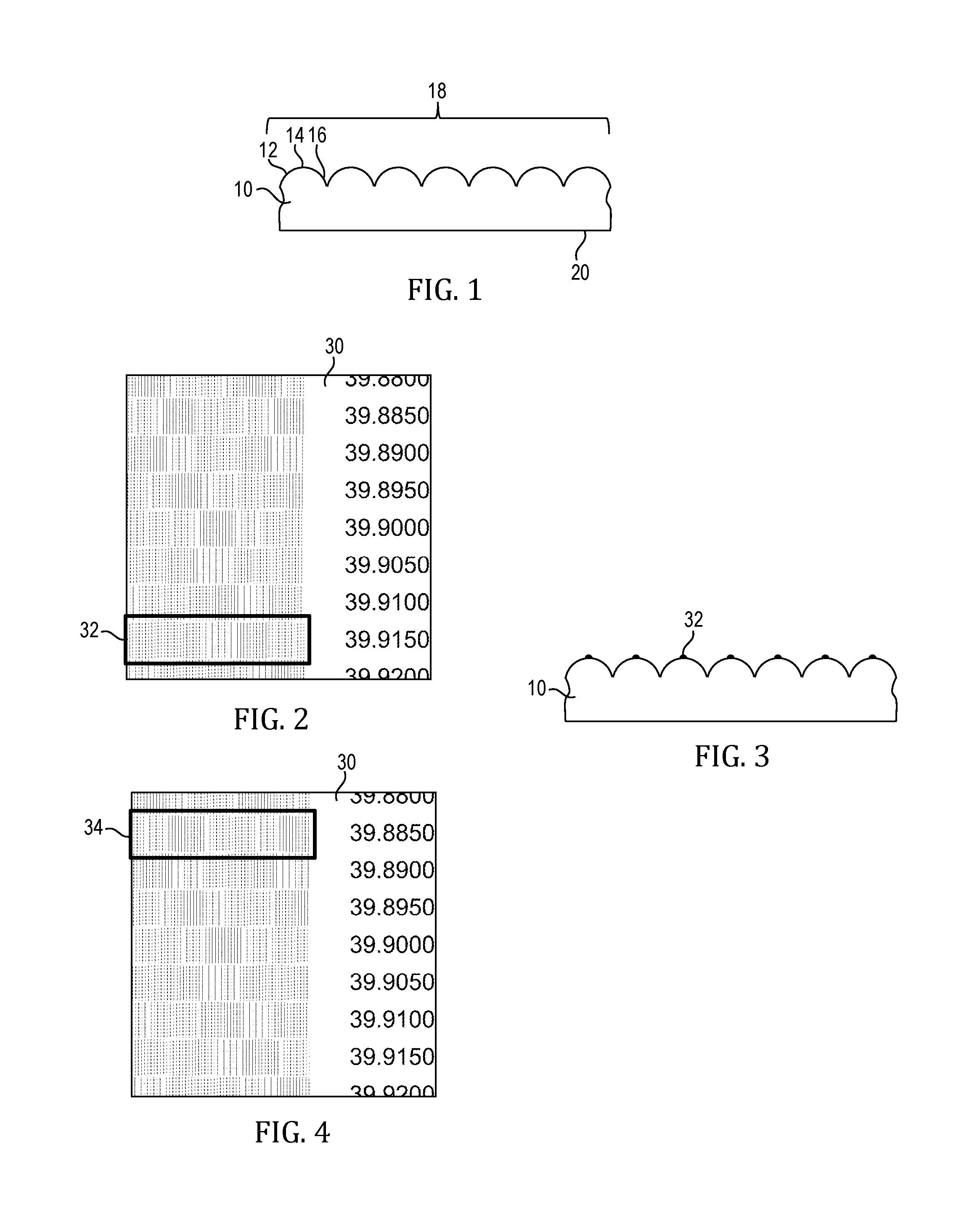
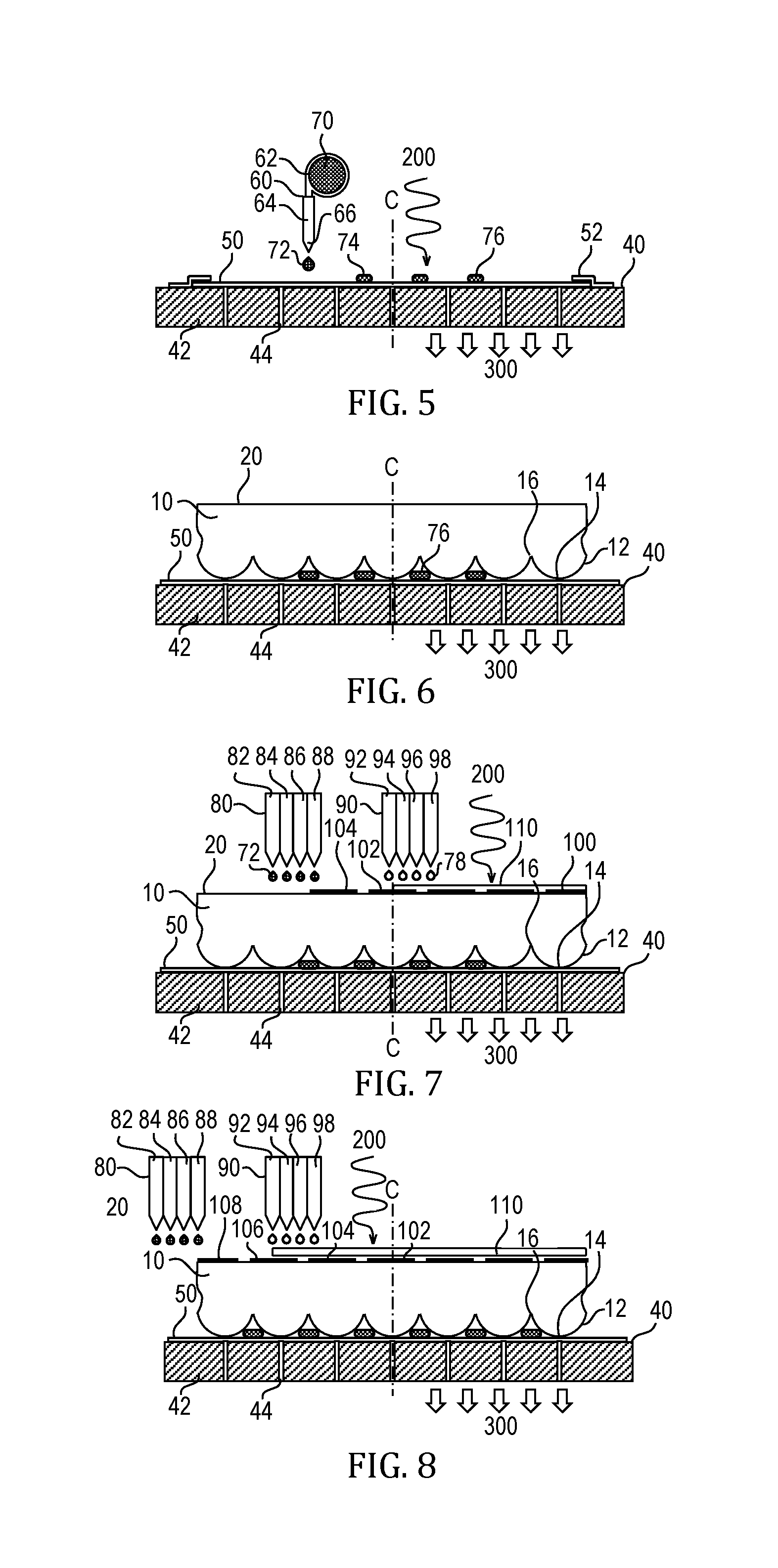
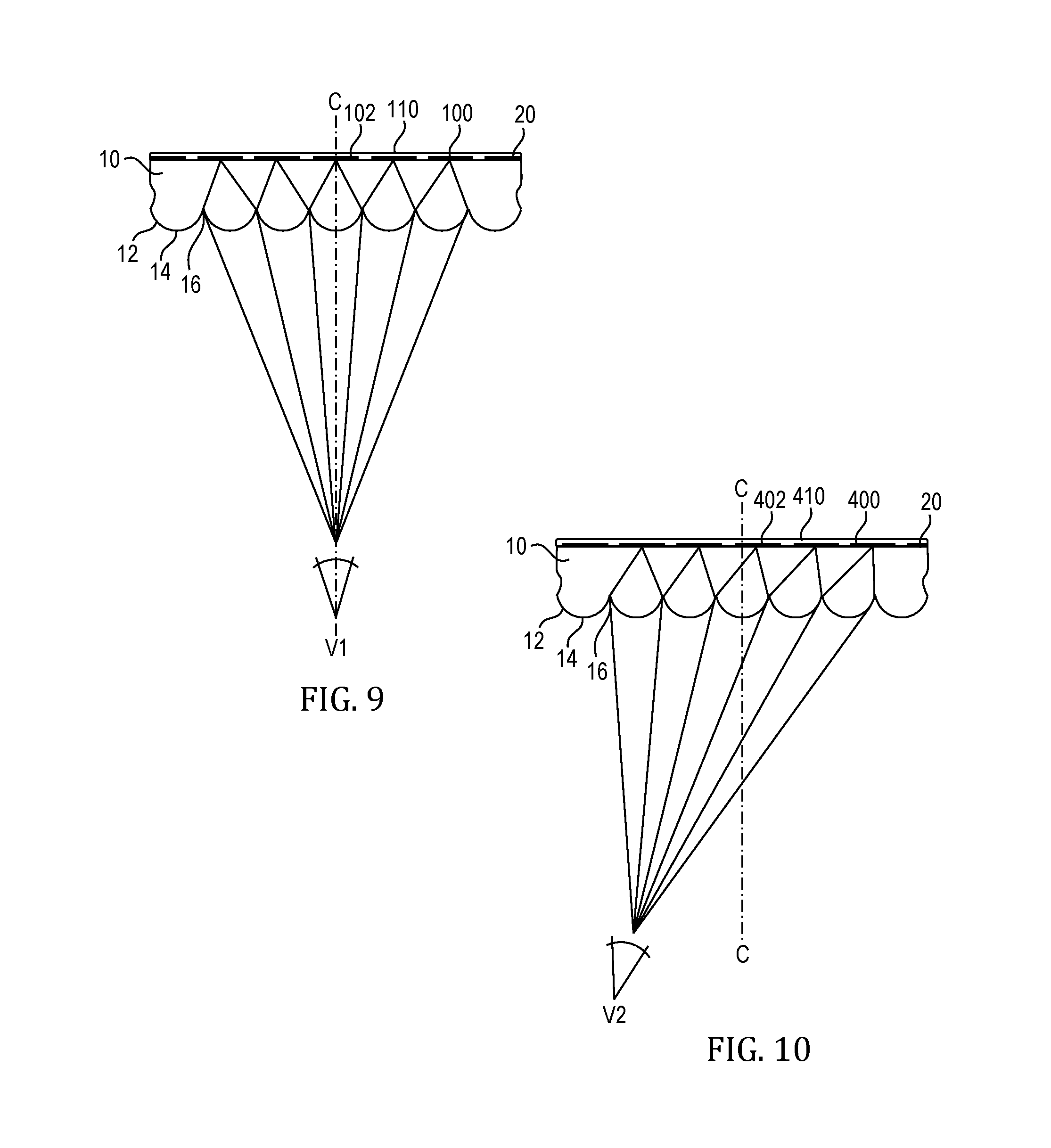
A continuation of the tactile-relief lenticular registration family. The parent (9,919,515) showed that a printer can lay down raised ridges of UV-curable ink that the lens sheet self-seats into, replacing all the custom mechanical jigs traditionally needed to align lenticular materials. This continuation extends the technique in two directions that matter for premium and large-format products.
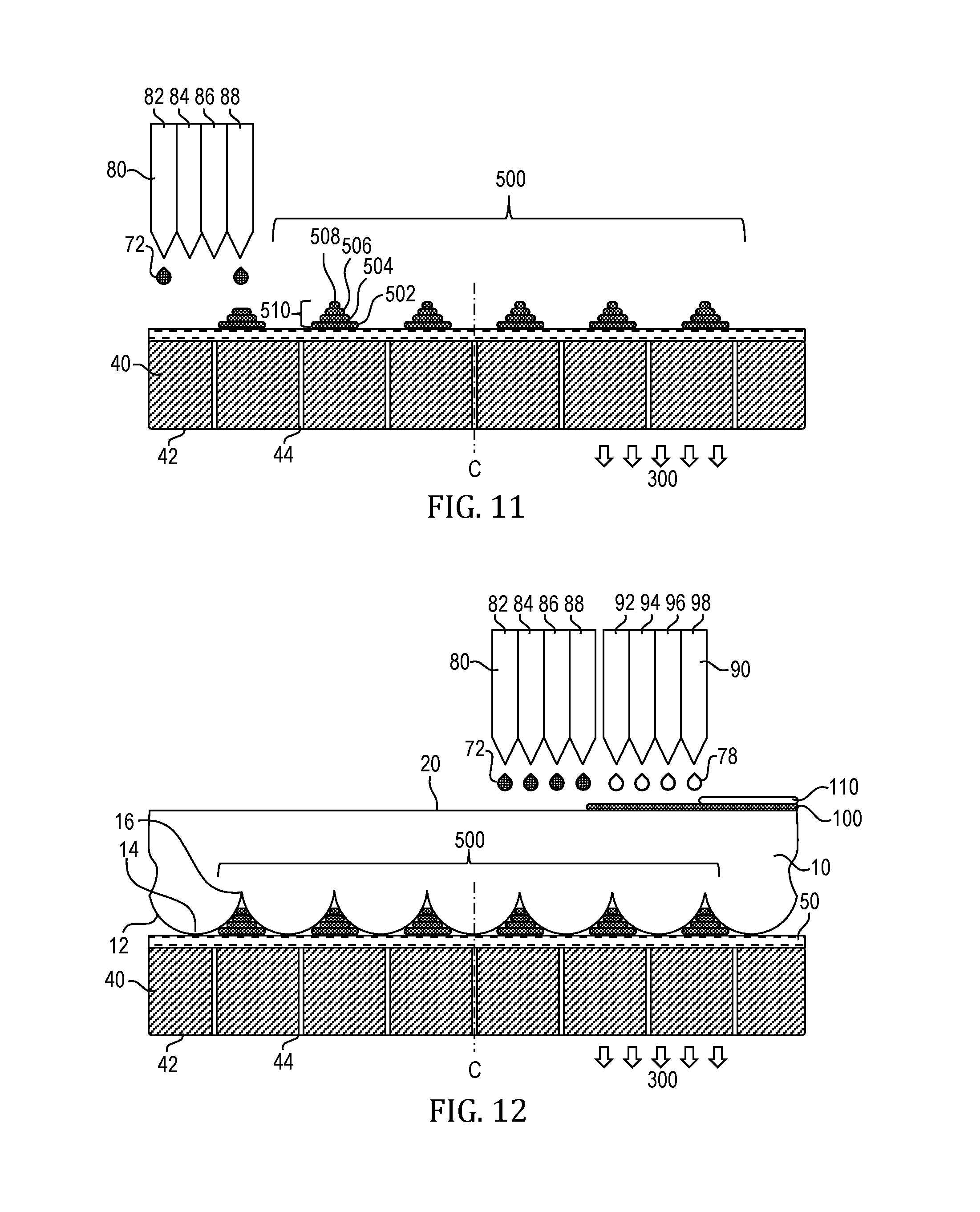
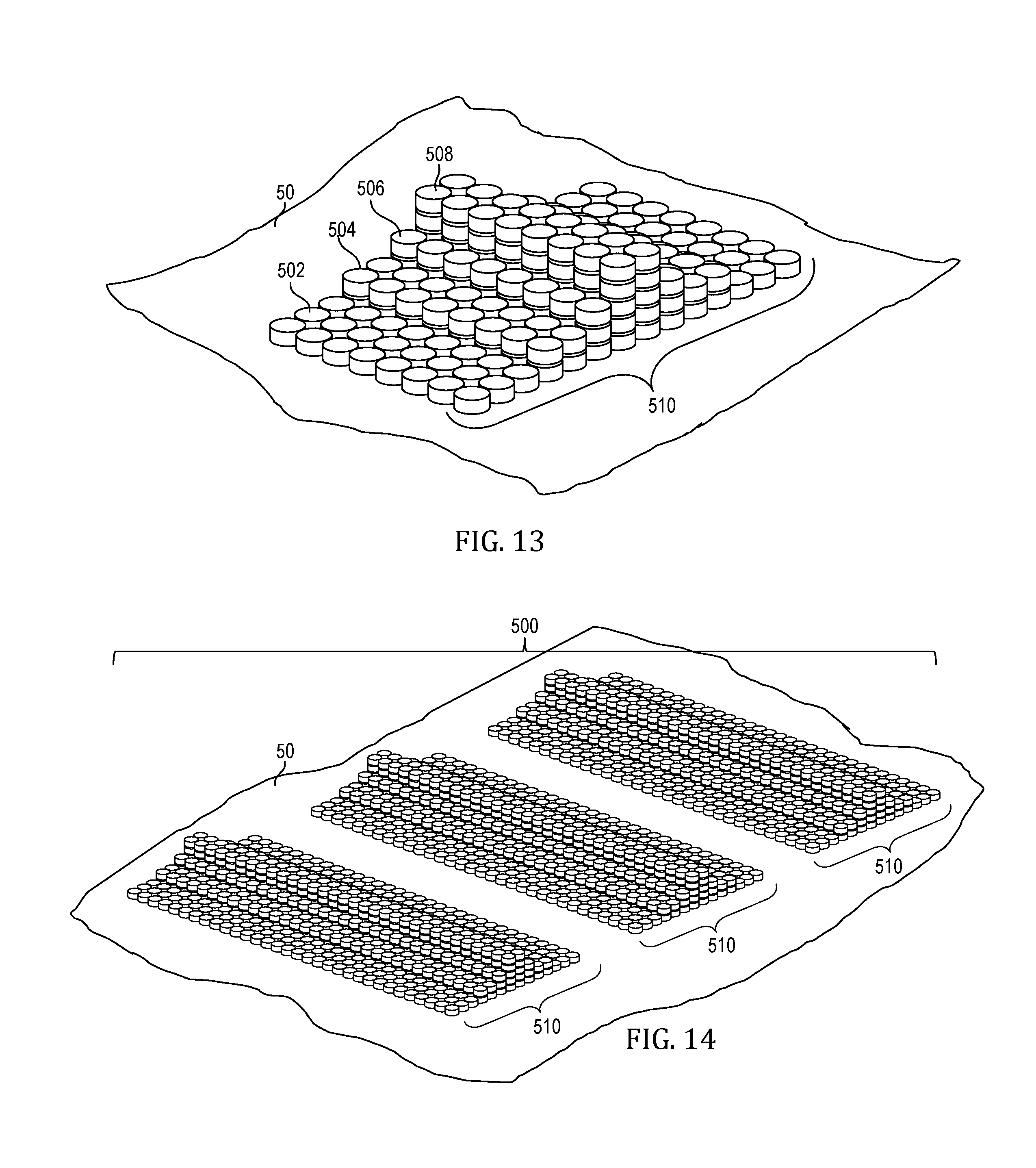
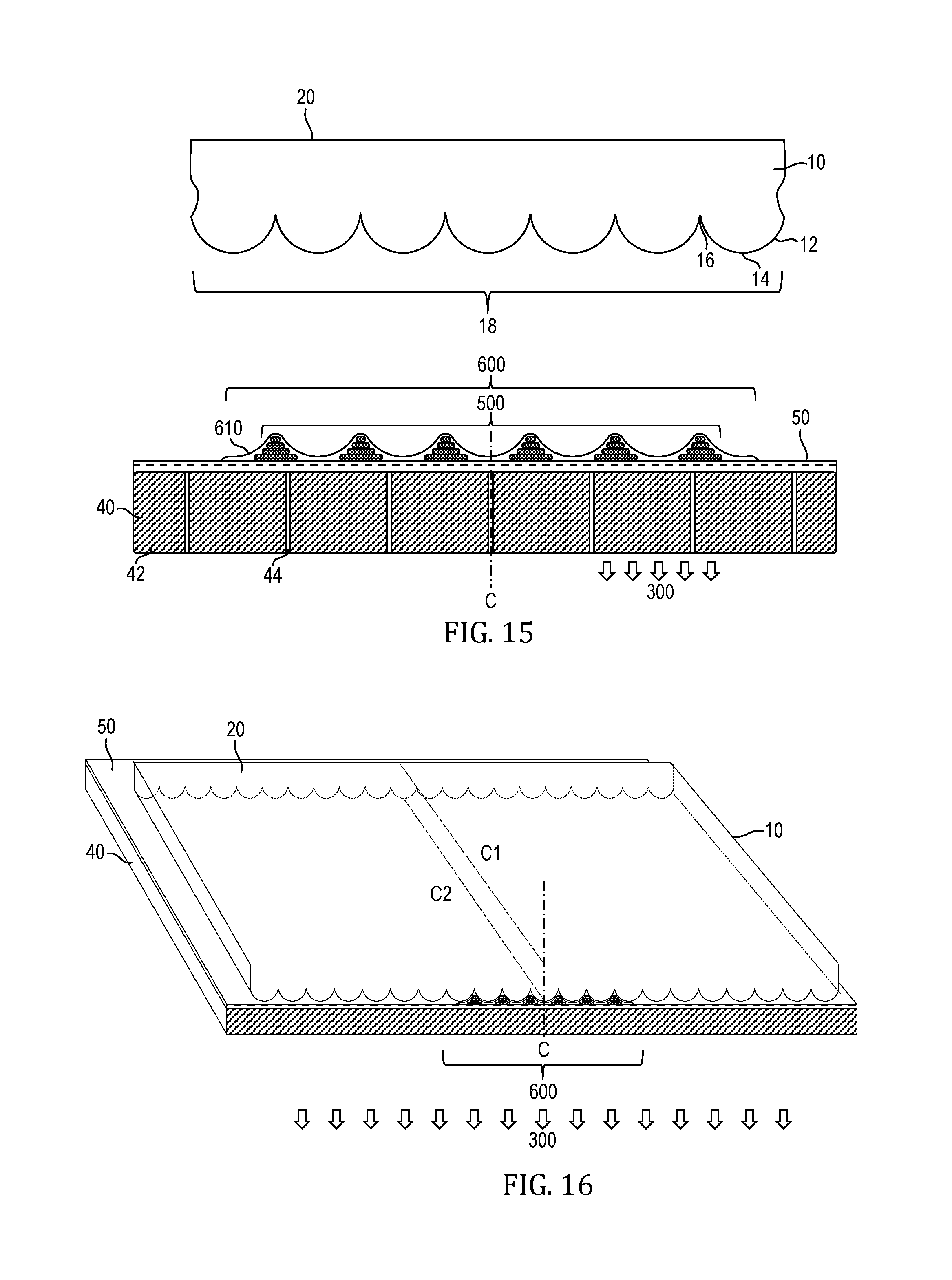
The first extension is quantized relief geometry. Instead of a single ridge per lens valley, the printer builds the alignment feature from multiple ink layers of varying width, accumulating into a stepped or tapered profile. An optional selective coating then smooths that profile into a surface that is substantially conformal to the lens shape it has to support — not just “match the spacing” but “match the curve.” That improves contact for fine-pitch lenses where a flat ridge would leave the lens rocking on a point.
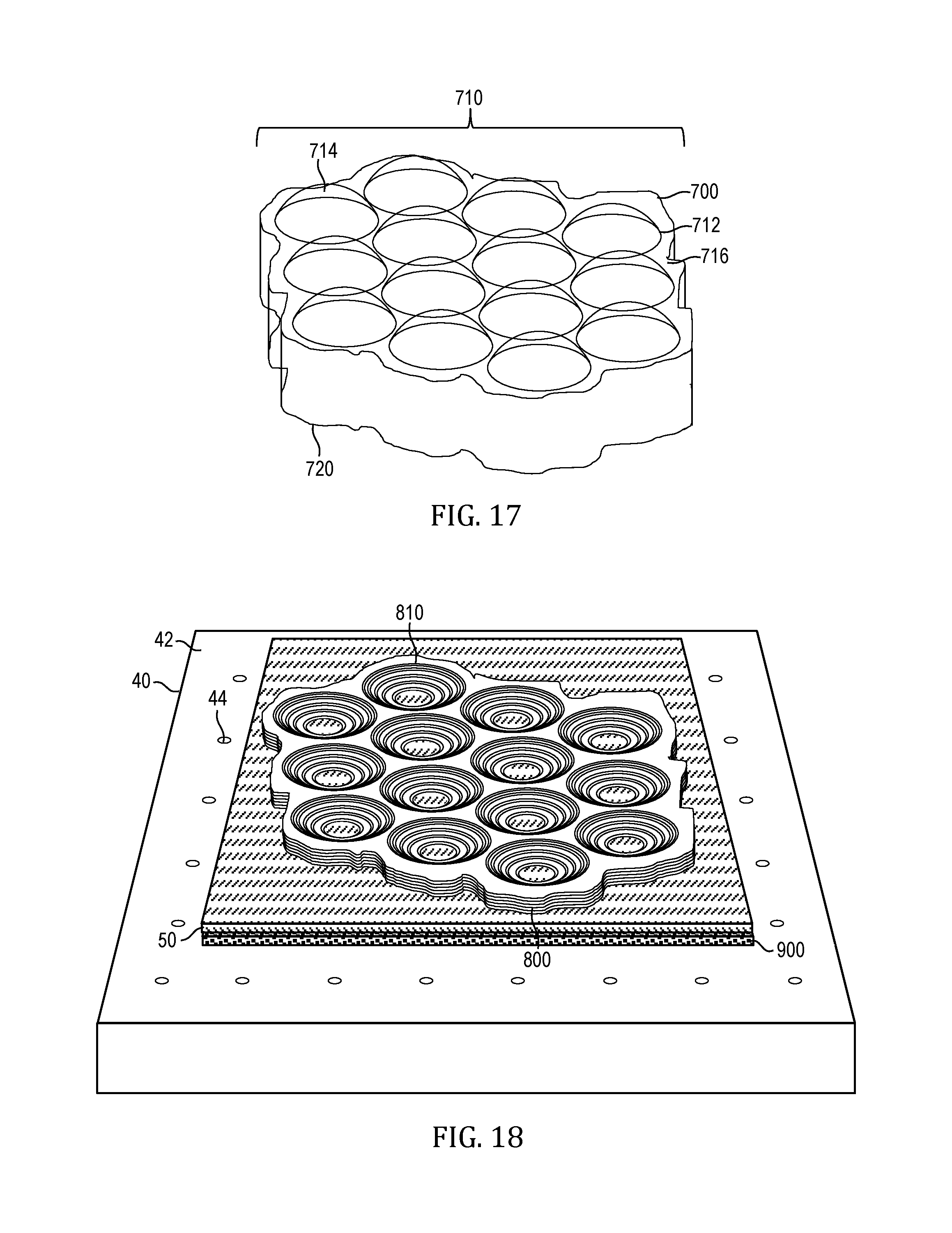
The second extension is spherical lens arrays for full-parallax 3D imaging — the kind where the image shifts in two axes as you move your head, not just one. Those lenses need a two-axis concave alignment grid rather than parallel ridges, and the same printed- relief approach delivers that. The patent also covers asymmetric-resolution interlacing (e.g., 1200 by 600 dpi) needed to scale to wall-sized prints, and volumetric features printed in z that go beyond a flat image entirely.
Figures